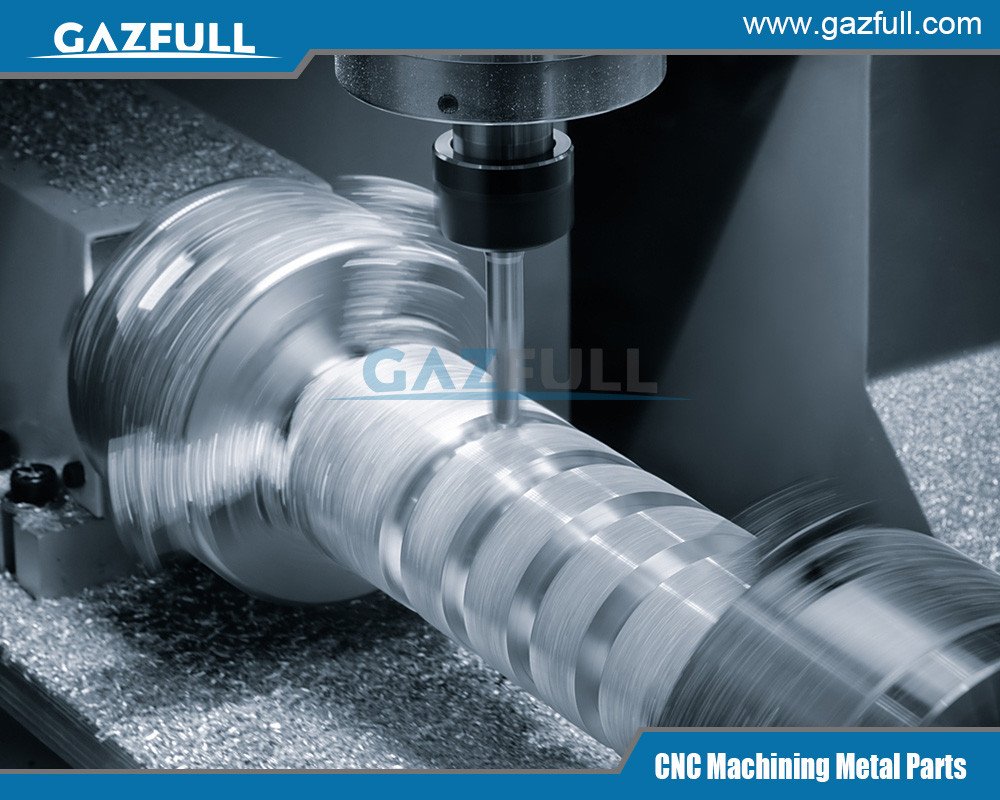
CNC Machining Metal Parts +86-18169936698
Low Volume Production CNC Machining: Everything You Need to Know
Introduction
Manufacturers today face increasing pressure to deliver high-quality products faster while minimizing production costs and reducing time-to-market. Whether developing prototypes, validating product designs, or manufacturing customized components, companies need flexible production methods that bridge the gap between prototyping and mass production. This is where Low Volume Production CNC Machining becomes an ideal manufacturing solution.
Low volume CNC machining typically refers to the production of anywhere from a few pieces to several thousand parts using Computer Numerical Control (CNC) technology. Unlike traditional mass manufacturing methods that require expensive tooling and molds, CNC machining allows manufacturers to produce precision components directly from digital CAD models with exceptional accuracy, repeatability, and speed.
Industries such as aerospace, automotive, medical devices, robotics, semiconductor equipment, electronics, energy, and industrial automation increasingly rely on low volume CNC machining to shorten product development cycles while maintaining premium quality standards.
This comprehensive guide explains everything you need to know about low volume production CNC machining, including its advantages, applications, materials, manufacturing process, cost factors, design considerations, and how to choose the right CNC machining partner.
What Is Low Volume Production CNC Machining?
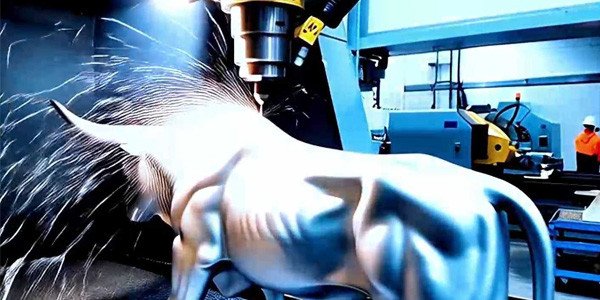
Low volume production CNC machining refers to manufacturing a limited quantity of precision parts using CNC milling, CNC turning, multi-axis machining, and other subtractive manufacturing processes.
Production quantities generally include:
- 10–100 pieces
- 100–500 pieces
- 500–5,000 pieces
Depending on part complexity and customer requirements, production volumes may vary.
Unlike injection molding or die casting, CNC machining requires virtually no dedicated tooling, making it highly suitable for projects requiring:
- Rapid production
- Design flexibility
- Engineering validation
- Functional testing
- Market trials
- Bridge manufacturing before mass production
Since every part is produced directly from digital programming, design revisions can be implemented almost immediately without costly mold modifications.
Why Choose Low Volume CNC Machining?
Faster Time-to-Market
Modern industries compete on speed.
Developing tooling for injection molding may require several weeks or even months, while CNC machining can begin production within days after CAD files are approved.
This significantly shortens product development cycles and enables companies to launch products ahead of competitors.
Lower Initial Investment
Traditional manufacturing methods involve high tooling costs.
For example:
- Injection molds
- Die casting molds
- Forging dies
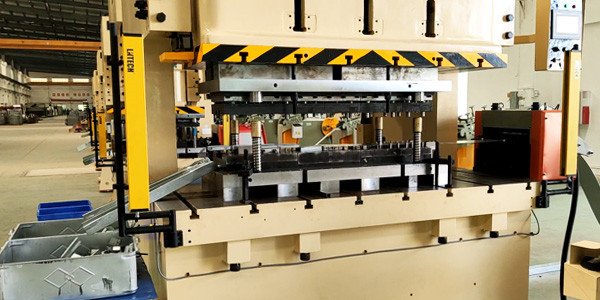
- Stamping tools
These investments can reach tens of thousands of dollars before production even begins.
Low volume CNC machining eliminates these upfront expenses, making it especially attractive for startups, R&D departments, and custom equipment manufacturers.
Exceptional Precision
Modern CNC machining centers routinely achieve tolerances of:
- ±0.01 mm
- ±0.005 mm
- Even tighter for critical applications
This level of precision makes CNC machining suitable for demanding industries including:
- Aerospace
- Medical devices
- Semiconductor equipment
- Optical instruments
- Robotics
Excellent Surface Finish
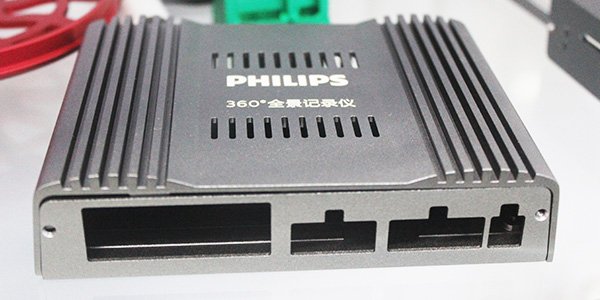
High-quality machining delivers outstanding surface finishes suitable for both functional and cosmetic applications.
Additional finishing options include:
- Anodizing
- Powder coating
- Electroplating
- Sandblasting
- Polishing
- Bead blasting
- Black oxide
- Passivation
- Painting
- Laser engraving
Flexible Design Changes
Design modifications are inevitable during product development.
Unlike tooling-based manufacturing, CNC machining only requires updating the machining program.
There is no need to rebuild expensive molds, making engineering changes both fast and economical.
Common CNC Machining Processes
CNC Milling
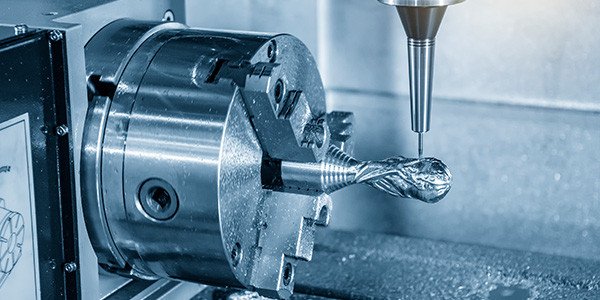
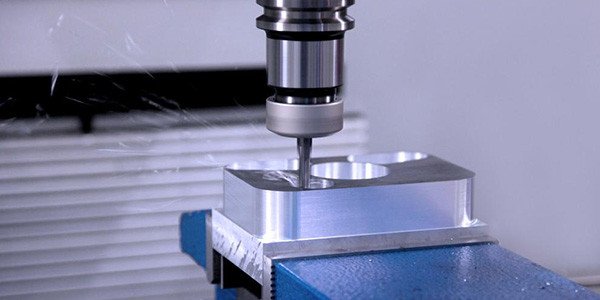
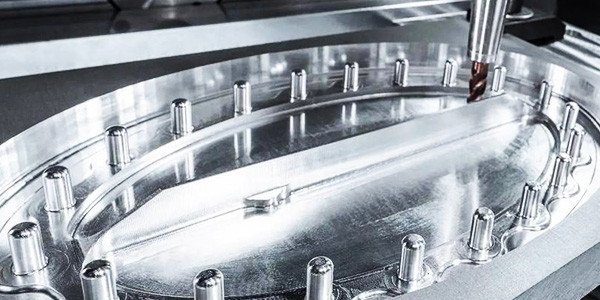
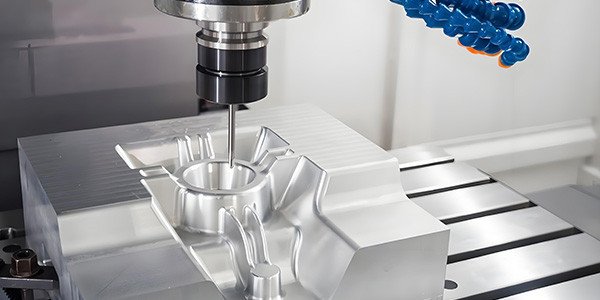
CNC milling removes material using rotating cutting tools.
It is ideal for producing:
- Complex geometries
- Pockets
- Slots
- Precision holes
- Flat surfaces
- 3D contours
Modern machining centers offer:
- 3-axis machining
- 4-axis machining
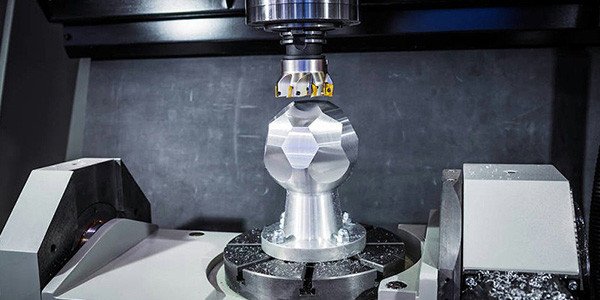
- 5-axis simultaneous machining
Five-axis machining dramatically reduces setups while improving accuracy.
CNC Turning
CNC turning rotates the workpiece while stationary cutting tools remove material.
It is commonly used for:
- Shafts
- Bushings
- Pins
- Sleeves
- Connectors
- Valve bodies
Turning provides outstanding concentricity and excellent dimensional consistency.
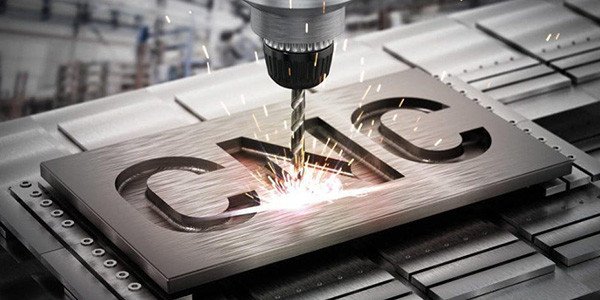
CNC Drilling
Precision drilling creates accurate holes for:
- Fasteners
- Bearings
- Fluid channels
- Hydraulic systems
- Pneumatic systems
Thread tapping and reaming can also be integrated into the same machining cycle.
Multi-Axis Machining
Advanced multi-axis CNC equipment allows machining of complex components in a single setup.
Benefits include:
- Reduced setup time
- Improved accuracy
- Better surface finish
- Shorter production cycles
- Lower manufacturing costs
Materials Used in Low Volume CNC Machining
One of CNC machining’s greatest advantages is its compatibility with a wide range of engineering materials.
Aluminum
Popular grades include:
- 6061
- 6063
- 7075
- 5052
Advantages:
- Lightweight
- Excellent machinability
- Corrosion resistance
- Good strength
- Attractive appearance
Applications include aerospace components, automation equipment, consumer electronics, and robotics.
Stainless Steel
Common grades:
- 304
- 303
- 316
- 316L
- 17-4PH
Advantages:
- High strength
- Corrosion resistance
- Wear resistance
- Excellent durability
Widely used in medical, food processing, chemical equipment, and semiconductor industries.
Carbon Steel
Typical grades include:
- 1018
- 1045
- 4140
Ideal for:
- Machinery components
- Industrial equipment
- Structural applications
Titanium
Titanium offers:
- High strength-to-weight ratio
- Outstanding corrosion resistance
- Biocompatibility
- High-temperature performance
Typical applications include aerospace structures, medical implants, and high-performance automotive components.
Brass and Copper
These materials provide:
- Excellent electrical conductivity
- Thermal conductivity
- Corrosion resistance
- Attractive appearance
Common products include connectors, terminals, fittings, and electrical components.
Engineering Plastics
Frequently machined plastics include:
- PEEK
- Delrin (POM)
- PTFE
- Nylon
- ABS
- UHMW-PE
- Polycarbonate
These materials are widely used in electronics, semiconductor equipment, medical devices, and automation systems.
Applications of Low Volume CNC Machining
Low volume CNC machining supports numerous industries.
Aerospace
Manufacturing:
- Structural brackets
- Sensor housings
- Engine components
- Flight hardware
Automotive
Production includes:
- Performance parts
- EV components
- Prototype assemblies
- Custom brackets
Medical Devices
Precision manufacturing for:
- Surgical instruments
- Orthopedic implants
- Medical housings
- Diagnostic equipment
Semiconductor Industry
Produces:
- Vacuum chamber components
- Gas delivery manifolds
- Precision fixtures
- Wafer handling parts
- UHP gas system components
Robotics
Typical components include:
- Robot arms
- Servo housings
- Gearboxes
- Mounting plates
- Motion control assemblies
Industrial Automation
Manufactures:
- Machine frames
- Pneumatic components
- Conveyor parts
- Custom fixtures
- Production tooling
Design Tips for Cost-Effective CNC Machining
Proper part design significantly reduces machining costs.
Simplify Geometry
Avoid unnecessary complex features whenever possible.
Simpler designs reduce machining time and improve manufacturing efficiency.
Standardize Hole Sizes
Using standard drill sizes minimizes custom tooling requirements and reduces machining costs.
Avoid Deep Cavities
Deep pockets require longer cutting tools, increasing vibration and reducing machining efficiency.
Maintain Uniform Wall Thickness
Uniform walls reduce distortion while improving dimensional stability.
Specify Realistic Tolerances
Only apply extremely tight tolerances where function demands it.
Relaxed tolerances lower machining costs considerably.
Add Corner Radii
Internal sharp corners require specialized machining.
Adding reasonable radii improves manufacturability and extends tool life.
Cost Factors in Low Volume CNC Machining
Several variables determine production costs.
Material Selection
Exotic materials such as titanium or Inconel cost significantly more than aluminum or carbon steel.
Part Complexity
More machining operations increase manufacturing time.
Tolerance Requirements
Higher precision requires slower machining and additional inspection.
Surface Finish
Secondary finishing operations increase production costs.
Production Quantity
Larger orders distribute setup costs across more parts, reducing unit prices.
Machine Time
Complex geometries require longer machining cycles.
Quality Control in CNC Production
Reliable CNC manufacturers implement rigorous quality assurance systems.
Inspection methods include:
- First Article Inspection (FAI)
- In-process inspection
- Final dimensional inspection
- Coordinate Measuring Machine (CMM)
- Optical measurement
- Surface roughness testing
- Material certification
- Thread gauge inspection
Comprehensive quality control ensures every component meets customer specifications before shipment.
CNC Machining vs. Injection Molding
| Feature | Low Volume CNC Machining | Injection Molding |
|---|---|---|
| Initial Tooling Cost | Very Low | Very High |
| Production Speed | Fast | Slow Tool Preparation |
| Design Changes | Easy | Expensive |
| Part Precision | Excellent | Very Good |
| Best Production Quantity | 10–5,000 Parts | 10,000+ Parts |
| Material Flexibility | Excellent | Limited to Moldable Materials |
For early-stage production, bridge manufacturing, and customized parts, CNC machining is often the more economical and flexible choice.
How to Choose the Right CNC Machining Supplier
Selecting an experienced manufacturing partner is essential for ensuring consistent quality and reliable delivery.
Look for suppliers that offer:
- ISO-certified quality management systems
- Advanced 3-axis, 4-axis, and 5-axis CNC machining capabilities
- Extensive experience with metal and plastic materials
- Professional Design for Manufacturability (DFM) support
- Rapid prototyping and low volume production services
- Strict quality inspection with CMM reporting
- Competitive pricing and transparent quotations
- Fast lead times and global shipping capabilities
- Responsive engineering and customer support
A capable supplier should also provide value-added services such as surface finishing, assembly, custom packaging, and logistics support to simplify your supply chain.
Future Trends in Low Volume CNC Manufacturing
As manufacturing continues to evolve, low volume CNC machining is becoming increasingly intelligent and efficient. Automation, digital manufacturing, and Industry 4.0 technologies are improving production accuracy while reducing costs.
Emerging trends include:
- AI-assisted machining optimization
- Digital twin simulation
- Automated tool monitoring
- Lights-out manufacturing
- Smart factory integration
- Hybrid additive and subtractive manufacturing
- Advanced CAD/CAM software
- Real-time production monitoring
- Sustainable machining practices
These innovations enable manufacturers to deliver high-quality custom parts faster than ever while maintaining exceptional consistency and traceability.
Conclusion
Low volume production CNC machining has become one of the most efficient manufacturing solutions for companies requiring precision, flexibility, and rapid delivery without the high costs associated with traditional tooling. Whether you are developing prototypes, validating new product designs, or producing thousands of end-use components, CNC machining offers unmatched versatility across a broad range of materials and industries.
By combining advanced CNC equipment, experienced engineering teams, strict quality control, and optimized manufacturing processes, businesses can reduce development risks, shorten product launch timelines, and improve overall competitiveness. As technology continues to advance, low volume CNC machining will remain an indispensable solution for modern manufacturing, empowering companies to transform innovative ideas into high-quality products quickly, accurately, and cost-effectively.
Choose Gazfull CNC Machining Services
At Gazfull, we specialize in providing machining services that go beyond traditional manufacturing. We aim to optimize your processes and reduce production expenses while delivering high-quality results. Our expertise and state-of-the-art 3-axis cutting systems also enable us to handle all your custom needs efficiently and precisely.
For more about low volume production CNC machining: everything you need to know, you can pay a visit to Gazfull at https://www.gazfull.com/services/ for more info.