CNC Machining Metal Parts +86-18169936698

In today’s fast-evolving manufacturing landscape, companies are increasingly seeking flexible, cost-effective, and high-precision production methods to meet dynamic market demands. While mass production remains essential for large-scale manufacturing, low volume production has become equally critical, particularly for prototyping, custom components, and niche market applications. Among the various manufacturing technologies available, Computer Numerical Control (CNC) machining stands out as one of the most reliable and efficient solutions for low volume production.
CNC machining combines digital precision with material versatility, enabling manufacturers to produce high-quality parts without the need for expensive tooling or long setup times. This article explores the principles, advantages, applications, and optimization strategies of CNC machining in low volume production environments.
Understanding Low Volume Production
CNC Low volume production typically refers to the manufacturing of parts in quantities ranging from a single unit to several thousand pieces. It serves as a bridge between prototyping and mass production and is commonly used in industries where customization, rapid iteration, or limited demand is required.
Key characteristics of low volume production include:
- Short production runs
- High design variability
- Frequent design revisions
- Lower upfront investment requirements
- Faster time-to-market
Traditional manufacturing methods, such as injection molding or die casting, often require expensive molds and long lead times, making them less suitable for low volume scenarios. CNC machining, however, eliminates the need for dedicated tooling, making it an ideal solution.
Fundamentals of CNC Machining
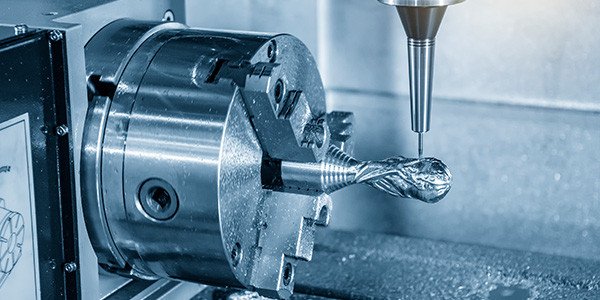
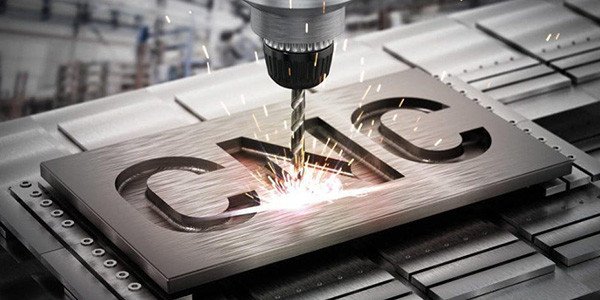
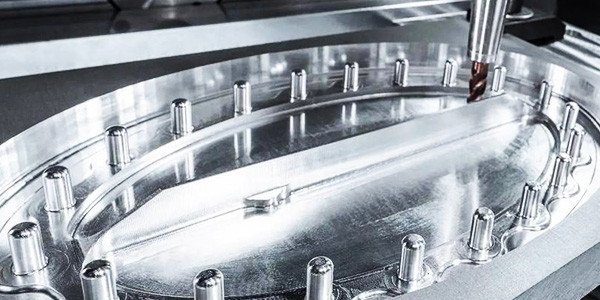
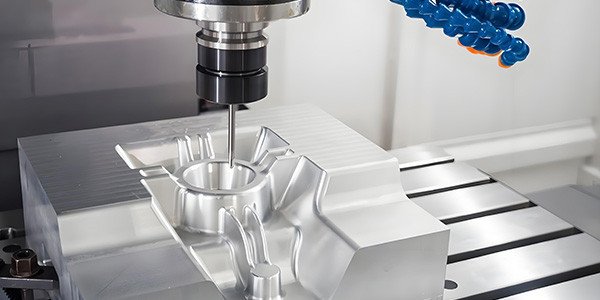
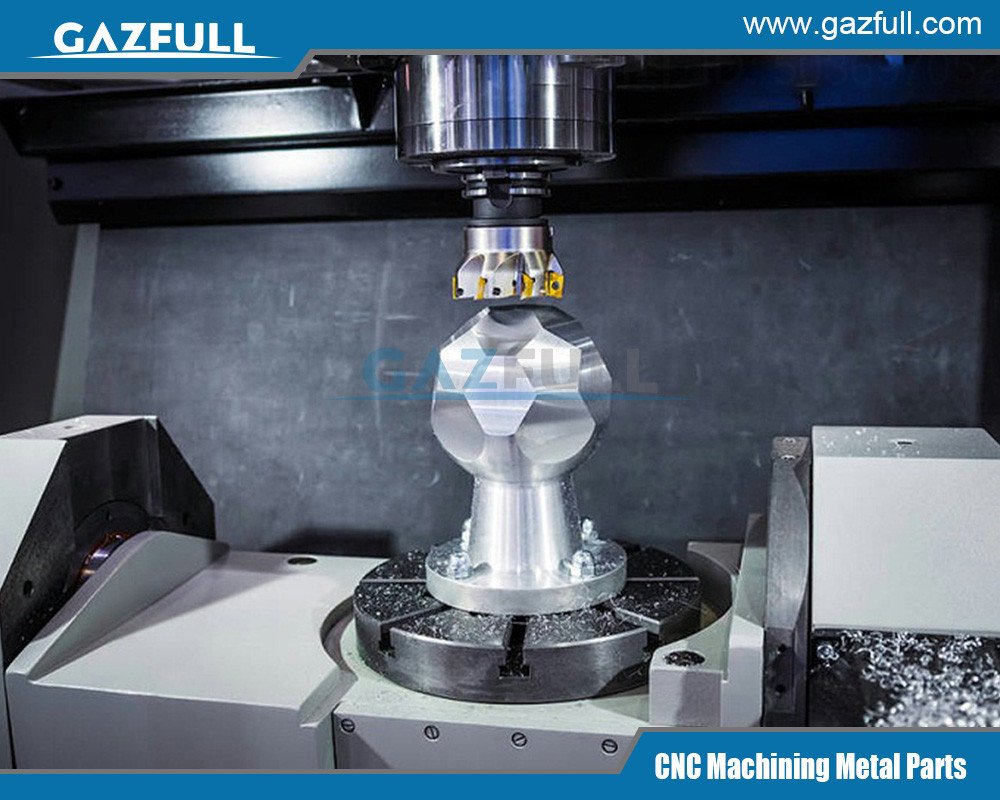
CNC machining is a subtractive manufacturing process in which computer-controlled tools remove material from a solid workpiece to create the desired geometry. The process is guided by digital design files, typically generated using CAD (Computer-Aided Design) software and translated into machine instructions via CAM (Computer-Aided Manufacturing) systems.
Core Components of CNC Machining
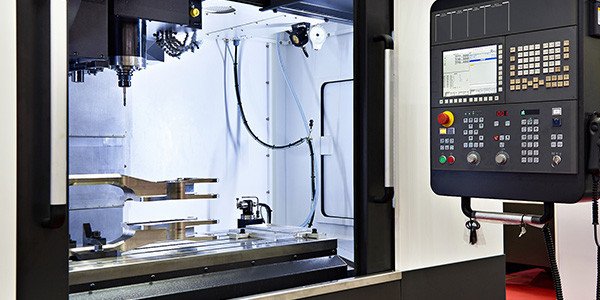
- CNC Machine Tools: Includes milling machines, lathes, routers, and multi-axis machining centers.
- Control System: Interprets G-code instructions to control tool movement.
- Cutting Tools: End mills, drills, and inserts designed for specific materials and geometries.
- Workholding Systems: Fixtures and vises that secure the workpiece during machining.
Common CNC Processes
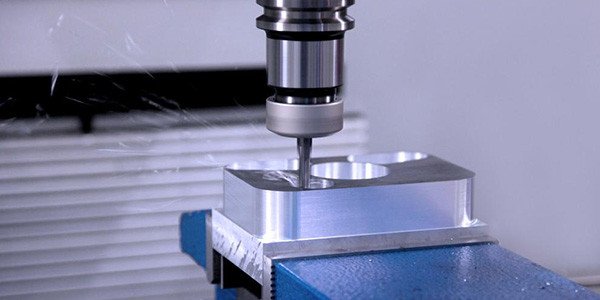
- CNC Milling: Suitable for complex geometries and multi-surface machining.
- CNC Turning: Ideal for cylindrical components.
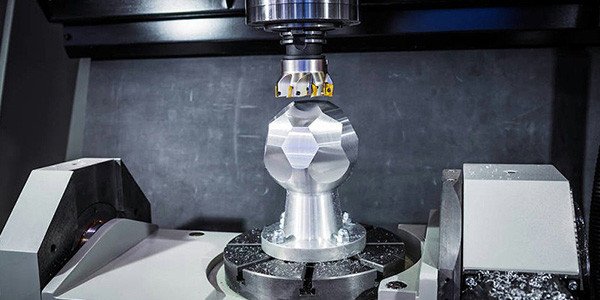
- Multi-axis Machining (3-axis, 4-axis, 5-axis): Enables machining of intricate shapes in fewer setups.
Advantages of CNC Machining for Low Volume Production
1. Cost Efficiency Without Tooling Investment
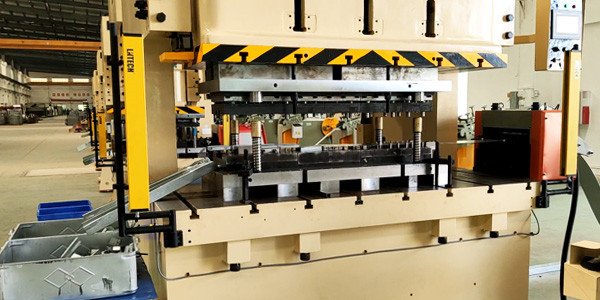
One of the most significant advantages of CNC machining is the elimination of tooling costs. Unlike injection molding or stamping, CNC machining does not require molds or dies, which can cost thousands of dollars. This makes it particularly cost-effective for small production runs.
2. High Precision and Repeatability
CNC machines can achieve tight tolerances (often within ±0.01 mm or better), ensuring consistent quality across all parts. This level of precision is essential for industries such as aerospace, medical devices, and electronics.
3. Rapid Turnaround Time
With minimal setup requirements and no need for tooling fabrication, CNC machining enables faster production cycles. Parts can often be produced within days, significantly reducing time-to-market.
4. Material Flexibility
CNC machining supports a wide range of materials, including:
- Metals: Aluminum, stainless steel, titanium, brass
- Plastics: ABS, PEEK, nylon, polycarbonate
- Composites: Carbon fiber-reinforced materials
This flexibility allows engineers to select materials based on performance requirements rather than manufacturing constraints.
5. Design Flexibility and Iteration
Design modifications can be easily implemented by updating CAD files, without the need to redesign tooling. This is particularly valuable during product development and prototyping phases.
Applications Across Industries
CNC machining for low volume production is widely used across various industries:
Aerospace
- Production of lightweight, high-strength components
- Complex geometries with tight tolerances
- Rapid prototyping of new designs
Medical Devices
- Custom implants and surgical instruments
- Biocompatible material machining
- Small batch production for specialized applications
Automotive
- Prototype parts for testing and validation
- Custom performance components
- Limited-edition or specialty vehicles
Electronics
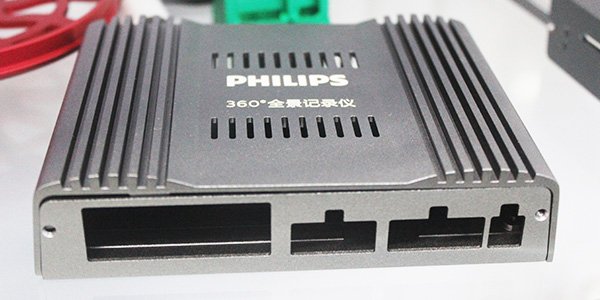
- Enclosures and housings
- Heat sinks and connectors
- Precision components for circuit assemblies
Industrial Equipment
- Custom machine parts
- Replacement components
- Short-run production of specialized tools
Design Considerations for CNC Low Volume Production
To maximize efficiency and cost-effectiveness, engineers should adopt Design for Manufacturability (DFM) principles tailored to CNC machining.
1. Optimize Geometry
- Avoid overly complex internal features
- Use standard tool sizes where possible
- Minimize deep cavities that require long tools
2. Tolerance Management
- Apply tight tolerances only where necessary
- Use general tolerances for non-critical features
- Overly strict tolerances increase machining time and cost
3. Material Selection
- Choose materials that balance performance and machinability
- Softer materials (e.g., aluminum) are faster and cheaper to machine than harder alloys
4. Reduce Setup Complexity
- Design parts that can be machined in fewer setups
- Consider multi-axis machining for complex geometries
5. Surface Finish Requirements
- Specify surface finishes only where functionally required
- Additional finishing processes (e.g., polishing, anodizing) add cost and time
Cost Drivers in CNC Low Volume Production
Understanding the factors that influence cost is essential for optimizing production.
Key Cost Factors
- Machining Time: Longer cycle times increase costs
- Material Cost: High-performance materials are more expensive
- Complexity: Intricate geometries require more advanced machining
- Setup Time: Multiple setups increase labor costs
- Post-Processing: Finishing, coating, and inspection add to overall cost
Cost Optimization Strategies
- Simplify part geometry
- Use standard materials and tooling
- Batch similar parts together
- Optimize tool paths using CAM software
CNC Machining vs. Alternative Manufacturing Methods
CNC Machining vs. 3D Printing
| Aspect | CNC Machining | 3D Printing |
|---|---|---|
| Material Strength | High | Moderate |
| Surface Finish | Excellent | Variable |
| Precision | High | Moderate |
| Cost for Low Volume | Moderate | Low to Moderate |
| Geometry Complexity | Limited by tools | Highly flexible |
Conclusion: CNC machining is preferred when strength, precision, and surface finish are critical.
CNC Machining vs. Injection Molding
| Aspect | CNC Machining | Injection Molding |
|---|---|---|
| Tooling Cost | None | High |
| Lead Time | Short | Long (due to mold fabrication) |
| Cost per Part | Higher for large volumes | Lower for mass production |
| Flexibility | High | Low |
Conclusion: CNC machining is ideal for low volume, while injection molding is better for high-volume production.
Emerging Trends in CNC Low Volume Manufacturing
1. Digital Manufacturing Integration
The integration of CAD/CAM, simulation, and cloud-based manufacturing platforms enables seamless workflows and faster production cycles.
2. Automation and Smart Machining
Advanced CNC systems now incorporate:
- Automatic tool changers
- Real-time monitoring
- AI-driven optimization
These technologies improve efficiency and reduce human error.
3. Hybrid Manufacturing
Combining CNC machining with additive manufacturing allows for:
- Near-net-shape production
- Reduced material waste
- Enhanced design flexibility
4. On-Demand Manufacturing
Digital platforms enable companies to order parts on demand, reducing inventory costs and enabling just-in-time production.
Challenges and Limitations
Despite its advantages, CNC machining has certain limitations in low volume production:
- Material Waste: Subtractive processes generate scrap material
- Complex Internal Geometries: Difficult to machine compared to additive methods
- Higher Unit Cost for Very Small Quantities: Setup time may dominate cost
- Tool Wear: Frequent tool changes may be required for certain materials
Addressing these challenges requires careful planning, design optimization, and process selection.
Best Practices for Implementation
To successfully implement CNC machining for low volume production, manufacturers should:
- Collaborate Early with Machining Experts
Engage CNC specialists during the design phase to identify potential issues. - Leverage Simulation Tools
Use CAM simulations to optimize tool paths and reduce errors. - Standardize Processes
Develop standardized workflows to improve efficiency and repeatability. - Invest in Quality Control
Implement inspection methods such as CMM (Coordinate Measuring Machines) to ensure part accuracy. - Adopt Agile Manufacturing Strategies
Maintain flexibility to adapt to design changes and varying production demands.

Conclusion
CNC machining has established itself as a cornerstone technology for low volume production, offering unmatched precision, flexibility, and efficiency. Its ability to produce high-quality parts without the need for costly tooling makes it an ideal solution for prototyping, custom manufacturing, and small batch production.
As manufacturing continues to evolve toward greater customization and faster product development cycles, the role of CNC machining will only become more significant. By leveraging advanced technologies, optimizing design practices, and understanding cost drivers, manufacturers can fully capitalize on the benefits of CNC machining in low volume production environments.
Ultimately, CNC machining provides a powerful balance between quality, speed, and cost—making it an indispensable tool in modern manufacturing.
Choose Gazfull CNC Machining Services
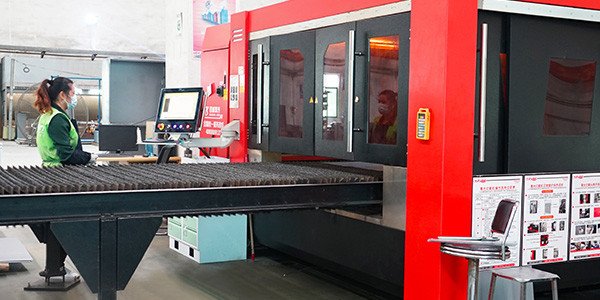
At Gazfull, we specialize in providing machining services that go beyond traditional manufacturing. We aim to optimize your processes and reduce production expenses while delivering high-quality results. Our expertise and state-of-the-art 3-axis cutting systems also enable us to handle all your custom needs efficiently and precisely.
For more about CNC machining for low volume production, and the dynamics of global sourcing, you can pay a visit to Gazfull at https://www.gazfull.com/services/ for more info.