CNC Machining Metal Parts +86-18169936698
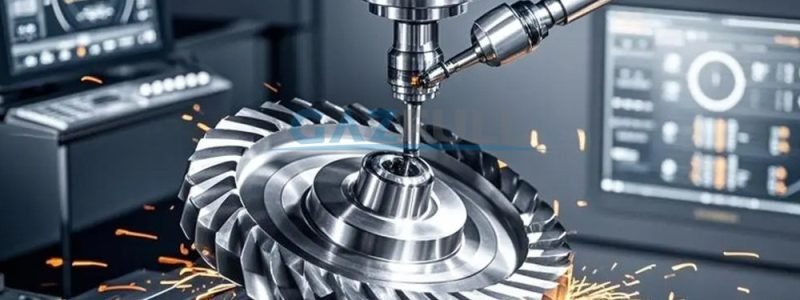
Heavy Duty Steel Structure CNC Plasma Cutting Services for Large-Scale Industrial Projects
Introduction
Heavy duty steel structures are the backbone of modern infrastructure, supporting industries such as construction, energy, transportation, mining, shipbuilding, oil & gas, and heavy equipment manufacturing. From industrial buildings and bridges to offshore platforms and power plants, these massive steel components require exceptional cutting precision, structural integrity, and manufacturing efficiency.
Among today’s advanced metal fabrication technologies, CNC plasma cutting has become one of the most reliable and cost-effective solutions for processing thick carbon steel, stainless steel, galvanized steel, and alloy steel plates. Compared with traditional manual cutting methods, CNC plasma cutting combines computer-controlled precision with high-speed thermal cutting, making it ideal for producing complex heavy-duty structural components with excellent dimensional accuracy.
Heavy duty steel structure CNC plasma cutting services provide manufacturers, EPC contractors, OEM companies, and engineering firms with customized fabrication solutions that reduce production costs, shorten lead times, and ensure consistent quality throughout every project.
This article explores the advantages, applications, manufacturing process, materials, quality control, and selection criteria for professional CNC plasma cutting services for heavy steel structures.
What Is Heavy Duty Steel Structure CNC Plasma Cutting?
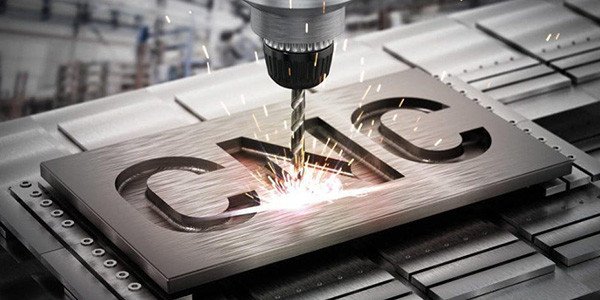
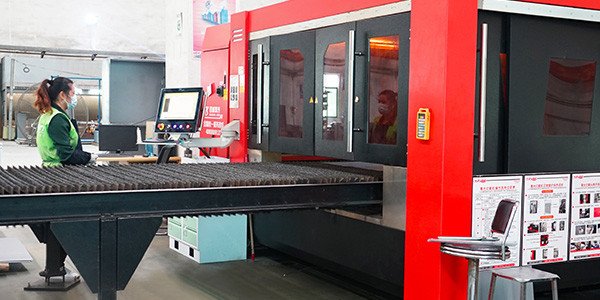
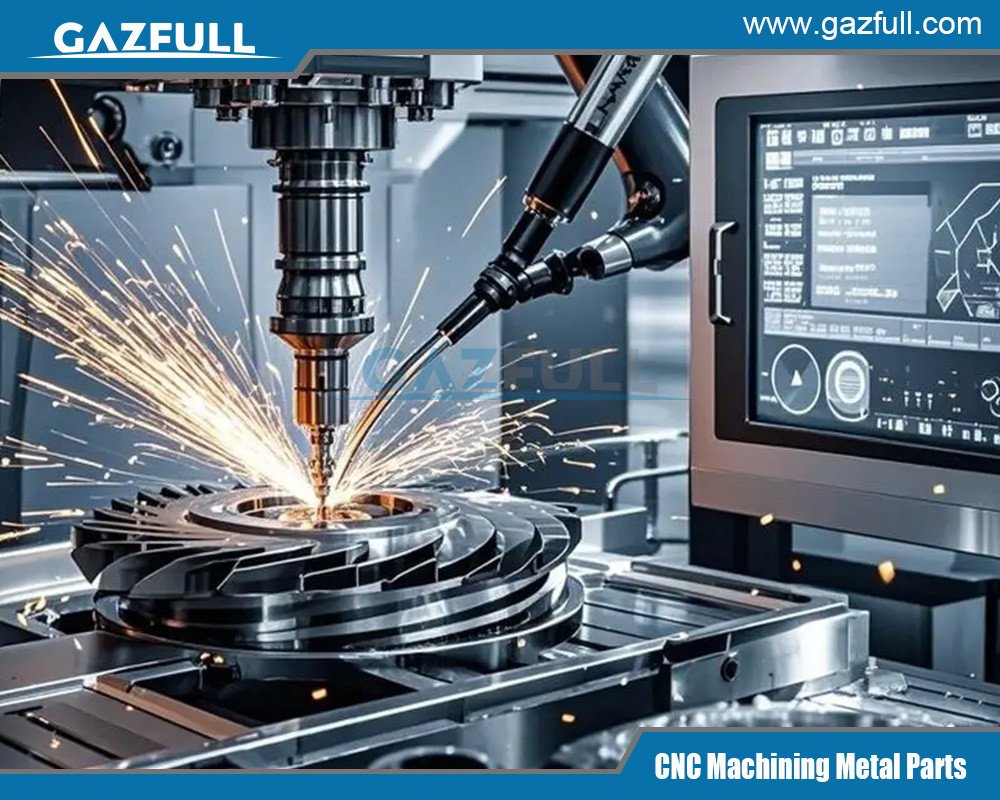
Heavy duty steel structure CNC plasma cutting is a computer-controlled thermal cutting process designed to cut thick steel plates into precise structural components.
The system uses a high-temperature plasma arc generated by electrically ionized gas. The plasma reaches temperatures exceeding 20,000°C, instantly melting the metal while a high-velocity gas stream removes the molten material from the cut.
Unlike manual cutting, CNC (Computer Numerical Control) technology automatically follows digital CAD drawings, allowing the cutting torch to produce highly accurate shapes, holes, slots, bevels, and contours repeatedly with minimal operator intervention.
The process is particularly suitable for:
- Structural steel beams
- Steel columns
- Connection plates
- Base plates
- Gusset plates
- Bridge components
- Heavy machinery frames
- Offshore structural parts
- Mining equipment components
- Industrial support structures
Advantages of CNC Plasma Cutting for Heavy Steel Structures
High Cutting Speed
CNC plasma cutting delivers significantly faster cutting speeds than oxy-fuel cutting on medium-thickness steel.
This increased productivity allows manufacturers to complete large production runs quickly while maintaining consistent quality.
Higher cutting speeds also reduce project lead times for customers working under strict construction schedules.
Excellent Dimensional Accuracy
Modern CNC plasma cutting machines provide excellent positioning accuracy.
Digital programming ensures:
- Accurate dimensions
- Consistent repeatability
- Smooth contour cutting
- Precise hole locations
- Reduced assembly errors
Accurate parts simplify welding, machining, and final installation.
Capability to Cut Thick Steel Plates
Heavy-duty plasma systems can process steel plates ranging from a few millimeters up to more than 100 mm thick depending on the equipment configuration.
Typical materials include:
- Mild steel
- Carbon steel
- Stainless steel
- Weathering steel
- High-strength structural steel
- Alloy steel
This versatility makes plasma cutting suitable for nearly every heavy fabrication project.
Lower Manufacturing Costs
Compared with laser cutting of thick materials, plasma cutting offers a more economical solution.
Benefits include:
- Lower equipment operating costs
- Reduced consumable expenses
- Faster production cycles
- Less manual labor
- Higher material utilization
Manufacturers can achieve competitive pricing without sacrificing quality.
Complex Shape Cutting
Modern CAD/CAM software allows CNC plasma systems to cut complex geometries including:
- Circular holes
- Curved profiles
- Slots
- Irregular contours
- Connection openings
- Structural joints
- Customized brackets
Even intricate designs can be manufactured with excellent consistency.
Materials Suitable for Plasma Cutting
Professional CNC plasma cutting services process numerous industrial metals.
Carbon Steel
Carbon steel remains the most commonly processed material for structural fabrication.
Applications include:
- Steel buildings
- Warehouses
- Factory structures
- Industrial equipment
- Construction machinery
Stainless Steel
Stainless steel components require precise cutting without excessive distortion.
Applications include:
- Food processing equipment
- Chemical plants
- Pharmaceutical facilities
- Water treatment systems
- Marine structures
Galvanized Steel
Galvanized plates are widely used in outdoor structures because of their corrosion resistance.
Typical products include:
- Utility supports
- Electrical cabinets
- Communication towers
- Protective barriers
Alloy Steel
High-strength alloy steels are common in mining, defense, transportation, and heavy equipment manufacturing.
CNC plasma cutting efficiently processes these materials while maintaining dimensional accuracy.
Industries That Depend on Heavy Duty Plasma Cutting
Construction Industry
Structural steel fabrication is one of the largest users of CNC plasma cutting.
Typical components include:
- Steel beams
- Columns
- Floor supports
- Roof trusses
- Stair systems
- Connection plates
Accurate fabrication accelerates on-site installation.
Bridge Engineering
Bridge manufacturers require thousands of precisely cut steel components.
These include:
- Girder plates
- Reinforcement plates
- Stiffeners
- Gussets
- Bearing plates
Consistency is essential for safe structural performance.
Oil and Gas Industry
Heavy steel fabrication supports numerous energy applications including:
- Offshore platforms
- Storage tanks
- Pressure vessel supports
- Pipeline structures
- Skid-mounted equipment
Plasma cutting delivers reliable precision for demanding environments.
Mining Equipment
Mining machinery operates under extremely harsh conditions.
Manufacturers use CNC plasma cutting to produce:
- Crusher frames
- Conveyor structures
- Loader components
- Excavator parts
- Heavy machine bases
Durable components improve equipment reliability.
Shipbuilding
Shipyards rely on CNC plasma cutting to manufacture:
- Hull plates
- Deck structures
- Internal supports
- Engine foundations
- Bulkheads
Digital cutting improves production efficiency while minimizing waste.
Renewable Energy
Wind energy and solar infrastructure require numerous steel structural components.
Examples include:
- Wind tower flanges
- Mounting structures
- Equipment platforms
- Maintenance walkways
Precision fabrication supports long service life.
CNC Plasma Cutting Workflow
Professional fabrication companies follow standardized manufacturing procedures.
1. Engineering Review
Engineers analyze customer drawings to determine:
- Material specifications
- Plate thickness
- Tolerances
- Welding allowances
- Quantity requirements
Any design issues are resolved before production begins.
2. CAD/CAM Programming
Digital engineering software converts design files into CNC cutting programs.
Advanced nesting software optimizes plate utilization to reduce material waste.
Efficient nesting lowers production costs while improving manufacturing efficiency.
3. Material Preparation
Raw steel plates undergo inspection for:
- Thickness
- Flatness
- Surface condition
- Material certification
Only qualified materials enter production.
4. CNC Plasma Cutting
Automated plasma systems execute the programmed cutting paths with consistent speed and accuracy.
Operators monitor:
- Arc stability
- Torch height
- Gas pressure
- Cutting speed
- Edge quality
Real-time monitoring ensures stable production.
5. Edge Cleaning
After cutting, parts may undergo:
- Slag removal
- Edge grinding
- Burr removal
- Surface cleaning
These finishing processes prepare components for welding or assembly.
6. Dimensional Inspection
Quality inspectors verify:
- Overall dimensions
- Hole locations
- Profile accuracy
- Plate thickness
- Bevel angles
Inspection equipment may include:
- Coordinate measuring systems
- Steel rulers
- Digital calipers
- Height gauges
- Laser measurement tools
7. Packaging and Delivery
Finished components are carefully labeled, protected, and packaged to prevent transportation damage.
Large structural parts may receive custom shipping supports for safe delivery.
Quality Control Standards
Reliable CNC plasma cutting suppliers implement strict quality management systems.
Inspection typically includes:
- Incoming material verification
- Cutting parameter validation
- First article inspection
- In-process quality monitoring
- Final dimensional inspection
- Surface quality evaluation
- Packaging inspection
Many manufacturers also comply with internationally recognized standards such as ISO 9001, ensuring consistent quality and traceability throughout production.
Plasma Cutting vs. Laser Cutting
Although both technologies use CNC automation, they serve different manufacturing requirements.
| Feature | CNC Plasma Cutting | Laser Cutting |
|---|---|---|
| Thick Steel Capability | Excellent | Limited on very thick plates |
| Cutting Speed | Very fast | Fast on thin materials |
| Operating Cost | Lower | Higher |
| Heavy Structure Production | Excellent | Less economical |
| Large Plate Processing | Excellent | Moderate |
| Investment Cost | Lower | Higher |
For heavy structural fabrication involving thick steel, plasma cutting is often the preferred solution because of its excellent balance between productivity, quality, and operating cost.
Benefits of Working with an Experienced CNC Plasma Cutting Manufacturer
Selecting an experienced fabrication partner offers numerous advantages.
Professional manufacturers provide:
- Advanced CNC plasma equipment
- Experienced engineering teams
- Strict quality management
- Customized fabrication solutions
- Fast production scheduling
- OEM and contract manufacturing
- Competitive pricing
- International export experience
Many suppliers also offer complete fabrication services, including welding, CNC machining, drilling, bending, surface treatment, assembly, and logistics support, reducing the need for multiple vendors.
How to Choose the Right CNC Plasma Cutting Service Provider
Before selecting a supplier, customers should evaluate several important factors:
- Experience in heavy steel structure fabrication
- Modern CNC plasma cutting equipment
- Engineering and CAD/CAM capabilities
- Material sourcing and traceability
- Production capacity for large projects
- Quality certification and inspection procedures
- Delivery performance
- Custom manufacturing flexibility
- Export packaging experience
- Responsive technical support
A reliable supplier should be able to provide technical recommendations that improve manufacturability while reducing overall production costs.
Future Trends in Heavy Steel CNC Plasma Cutting
As Industry 4.0 technologies continue to evolve, CNC plasma cutting systems are becoming increasingly intelligent and automated.
Emerging developments include:
- AI-assisted nesting for higher material utilization
- Automatic torch height control with real-time adjustment
- Robotic material handling and loading systems
- IoT-enabled machine monitoring for predictive maintenance
- Digital production management and traceability
- Hybrid plasma and bevel cutting systems
- Integration with ERP and MES manufacturing platforms
These innovations improve production efficiency, reduce downtime, and enhance quality consistency, enabling manufacturers to meet the growing demands of large-scale industrial projects.
Conclusion
Heavy duty steel structure CNC plasma cutting services play a critical role in modern industrial manufacturing by providing fast, accurate, and cost-effective processing of thick steel components. Whether producing structural frames for commercial buildings, bridge elements, offshore platforms, mining equipment, or energy infrastructure, CNC plasma cutting delivers the precision and productivity required for demanding applications.
By combining advanced CNC automation, experienced engineering support, stringent quality control, and comprehensive fabrication capabilities, professional plasma cutting manufacturers help customers reduce production costs, accelerate project schedules, and achieve superior structural performance. As industrial projects continue to grow in size and complexity, CNC plasma cutting will remain an essential manufacturing technology for delivering reliable, high-quality heavy steel structures to markets worldwide.
Choose Gazfull CNC Machining Services
At Gazfull, we specialize in providing machining services that go beyond traditional manufacturing. We aim to optimize your processes and reduce production expenses while delivering high-quality results. Our expertise and state-of-the-art 3-axis cutting systems also enable us to handle all your custom needs efficiently and precisely.
For more about heavy duty steel structure CNC plasma cutting services for large-scale industrial projects, you can pay a visit to Gazfull at https://www.gazfull.com/services/ for more info.