CNC Machining Metal Parts +86-18169936698
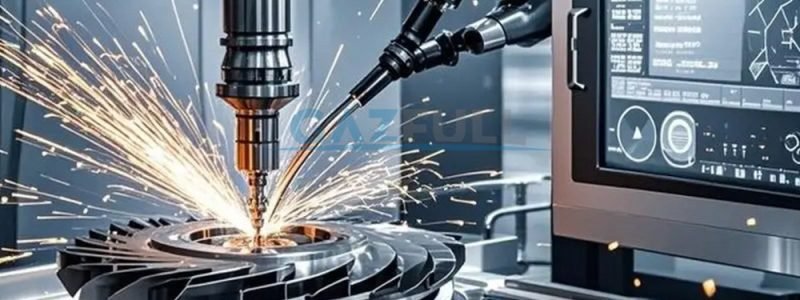
In today’s competitive manufacturing environment, companies increasingly demand faster product launches, shorter development cycles, and flexible production strategies. Traditional mass manufacturing methods are no longer the only solution, especially for businesses requiring limited quantities, customized parts, or rapid product iterations. This is where CNC machining for low volume production becomes a powerful manufacturing approach.
Low volume CNC machining enables manufacturers to produce high-precision components in quantities ranging from a few prototypes to several thousand units without investing in expensive tooling or molds. Whether serving aerospace, automotive, medical, electronics, robotics, or industrial equipment industries, CNC machining provides an ideal balance between quality, speed, and cost efficiency.
This guide explores everything manufacturers need to know about CNC machining for low volume production.
What Is Low Volume Production?
Low volume production refers to the manufacturing of relatively small quantities of products or components, typically ranging from 10 to 10,000 units, depending on industry requirements.
Unlike mass production, low volume manufacturing focuses on flexibility, rapid response, customization, and reduced upfront investment.
Common low volume production scenarios include:
- Product development and prototyping
- Bridge production before mass manufacturing
- Custom industrial components
- Spare parts manufacturing
- Market testing products
- Specialized medical or aerospace parts
- Small batch OEM production
For manufacturers, low volume production offers a strategic way to reduce risks while maintaining production agility.
What Is CNC Machining?
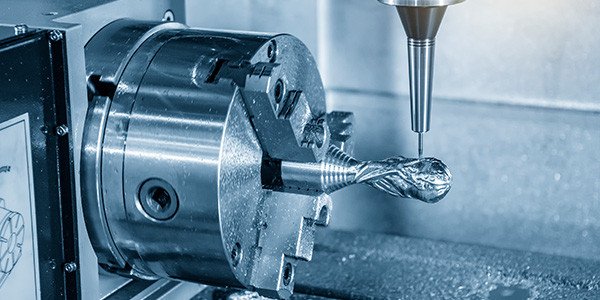
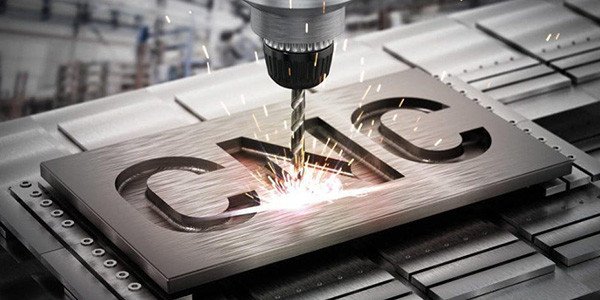
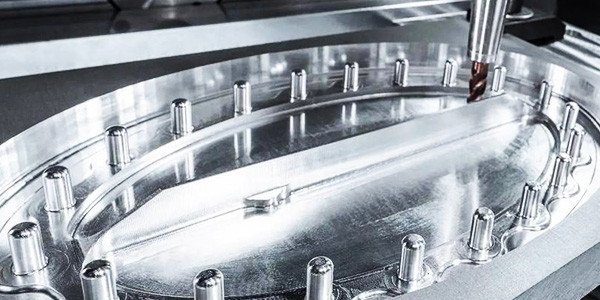
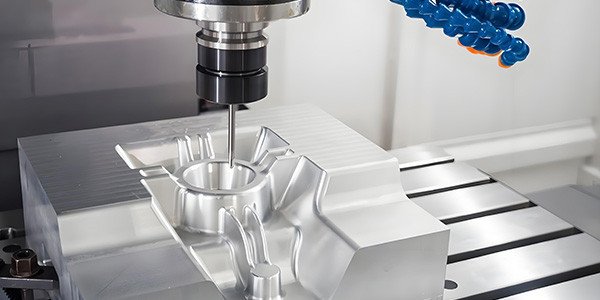
CNC machining, or Computer Numerical Control machining, is a subtractive manufacturing process that removes material from a solid workpiece using computer-programmed cutting tools.
The process converts CAD designs into machine instructions that guide equipment such as:
- CNC milling machines
- CNC turning lathes
- Multi-axis machining centers
- Drilling machines
- EDM systems
- Precision grinding equipment
CNC machining is widely recognized for its ability to produce parts with tight tolerances, excellent repeatability, and superior surface finishes.
For low volume manufacturing, CNC machining eliminates the need for dedicated tooling, making it one of the most cost-effective production methods available.
Why CNC Machining Is Ideal for Low Volume Production
1. No Expensive Tooling Costs
One of the biggest advantages of CNC machining is the absence of tooling investment.
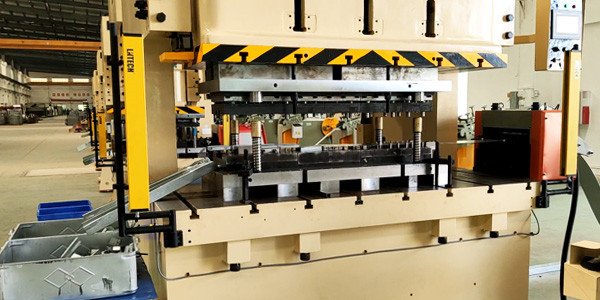
Processes such as injection molding, die casting, or stamping require expensive molds, dies, or tooling systems that can cost thousands or even hundreds of thousands of dollars.
For low volume projects, tooling expenses often make traditional manufacturing economically impractical.
CNC machining uses digital programming rather than physical molds, allowing manufacturers to begin production immediately without tooling delays or capital investment.
This significantly lowers entry costs for startups, product developers, and custom manufacturing projects.
2. Fast Production Turnaround
Modern manufacturing increasingly prioritizes speed.
CNC machining enables rapid production because it eliminates mold design, tool fabrication, and extensive production preparation.
Typical low volume CNC projects can move from design approval to finished parts within days.
Fast turnaround benefits manufacturers by enabling:
- Accelerated product development
- Faster market entry
- Reduced production bottlenecks
- Improved customer responsiveness
- Quicker engineering validation
For industries with compressed timelines, CNC machining provides a substantial competitive advantage.
3. High Precision and Tight Tolerances
Precision is essential in modern manufacturing.
CNC machining delivers outstanding dimensional accuracy, often achieving tolerances of ±0.005 mm to ±0.01 mm, depending on materials, geometry, and machine capabilities.
This level of precision is critical for industries such as:
- Aerospace components
- Medical devices
- Semiconductor equipment
- Robotics assemblies
- Automotive systems
- Industrial automation
Low volume production does not mean compromising on quality. CNC machining ensures that every part meets strict engineering requirements.
4. Design Flexibility
Product designs frequently evolve during development and early-stage production.
Traditional tooling-based manufacturing struggles with design changes because mold modifications can be expensive and time-consuming.
CNC machining offers exceptional flexibility.
Manufacturers can update CAD files, revise machining programs, and implement engineering changes rapidly without redesigning expensive tooling.
This flexibility supports:
- Product optimization
- Prototype refinement
- Design validation
- Customer customization
- Engineering improvements
For companies developing new products, design adaptability is invaluable.
5. Wide Material Compatibility
CNC machining supports an extensive range of engineering materials.
Common metal materials include:
- Aluminum
- Stainless steel
- Carbon steel
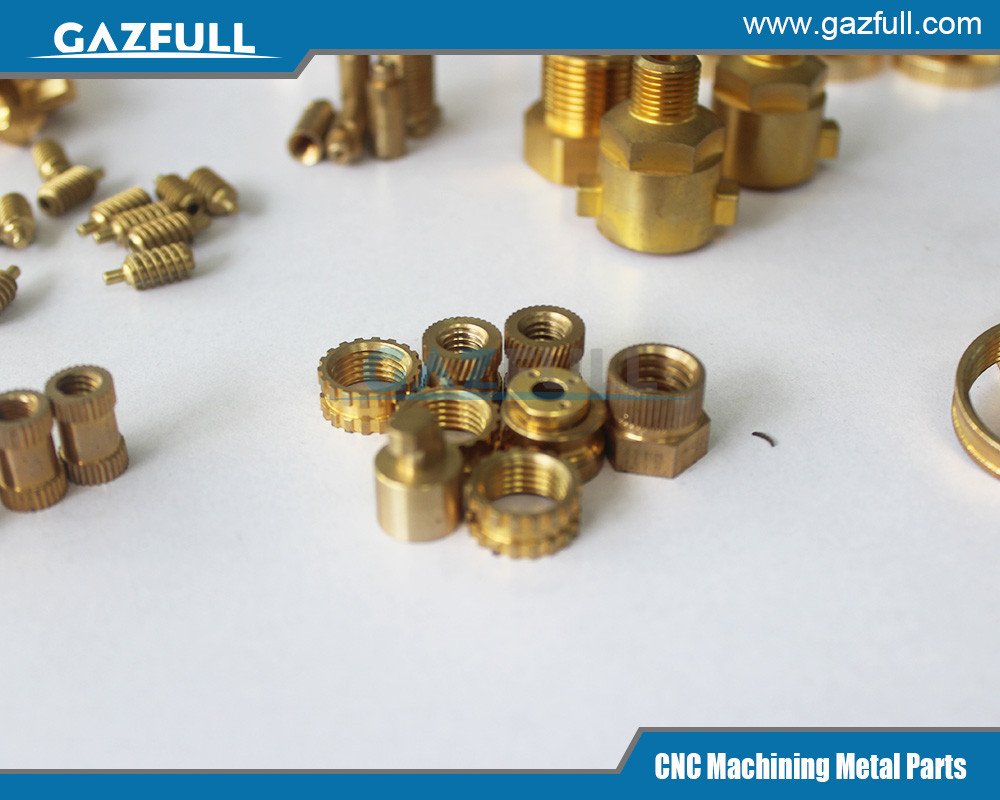
- Brass
- Copper
- Titanium
- Magnesium alloys
Common plastic materials include:
- PEEK
- Delrin (POM)
- PTFE
- ABS
- Nylon
- Polycarbonate
- Acrylic
Material flexibility allows manufacturers to select optimal performance characteristics based on application requirements, including strength, thermal resistance, corrosion resistance, conductivity, or weight reduction.
CNC Machining Processes Used in Low Volume Manufacturing
Several machining technologies support low volume production.
CNC Milling
CNC milling is one of the most versatile machining processes.
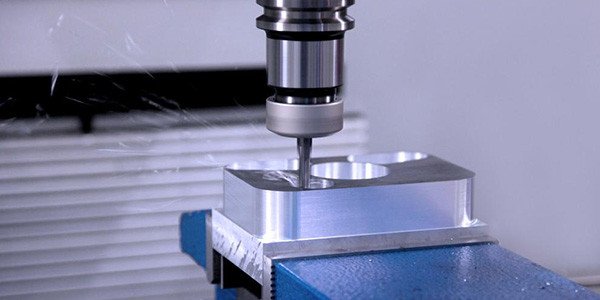
Rotating cutting tools remove material from stationary workpieces to create complex geometries, holes, slots, pockets, and precision surfaces.
Common applications include:
- Mechanical housings
- Aerospace brackets
- Electronic enclosures
- Precision machine parts
3-axis, 4-axis, and 5-axis milling systems provide varying levels of geometric complexity.
CNC Turning
CNC turning rotates the workpiece while cutting tools remove material.
This process is ideal for cylindrical components such as:
- Shafts
- Bushings
- Connectors
- Valve bodies
- Precision pins
Turning delivers excellent dimensional consistency and production efficiency.
Multi-Axis Machining
Advanced low volume projects often require multi-axis machining capabilities.
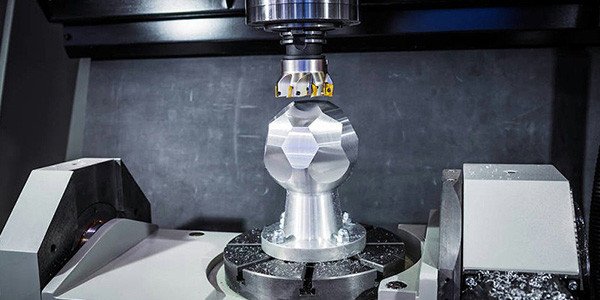
5-axis CNC machining enables manufacturers to produce complex parts with fewer setups, improved precision, and reduced production time.
Industries relying heavily on multi-axis machining include aerospace, medical, and precision engineering sectors.
Industries Using CNC Machining for Low Volume Production
Low volume CNC machining supports diverse industrial sectors.
Aerospace Industry
Aerospace manufacturers frequently require limited production runs of highly specialized components.
Examples include:
- Structural brackets
- Engine components
- Sensor housings
- Flight system assemblies
CNC machining provides the precision, traceability, and material performance required by aerospace standards.
Medical Device Manufacturing
Medical products often involve custom designs, regulatory testing, and limited production quantities.
CNC machining supports:
- Surgical instruments
- Orthopedic implants
- Diagnostic equipment parts
- Medical device prototypes
The ability to machine biocompatible materials with high precision makes CNC an essential medical manufacturing solution.
Automotive Industry
Automotive manufacturers use low volume machining for:
- Prototype development
- Performance parts
- Custom vehicle components
- Specialty equipment
Rapid iteration cycles make CNC machining particularly valuable during product development stages.
Electronics and Semiconductor Equipment
Electronic and semiconductor industries demand extremely precise components.
CNC machining is commonly used for:
- Heat sinks
- Equipment frames
- Precision fixtures
- Wafer handling systems
- Electronic housings
High accuracy and superior surface quality are critical in these applications.
Cost Factors in Low Volume CNC Machining
Several variables influence CNC machining costs.
Material Selection
Different materials involve different machining difficulties and raw material costs.
For example:
- Aluminum offers excellent machinability and lower costs.
- Titanium provides exceptional strength but increases machining complexity.
- Engineering plastics vary significantly in price and machining behavior.
Material selection directly impacts project budgets.
Part Complexity
Complex geometries increase machining time, programming requirements, and setup complexity.
Cost drivers include:
- Tight tolerances
- Deep cavities
- Thin walls
- Complex contours
- Multi-surface machining
Design optimization can reduce unnecessary manufacturing expenses.
Surface Finish Requirements
Additional finishing operations influence final production costs.
Common finishing methods include:
- Sandblasting
- Anodizing
- Powder coating
- Polishing
- Electroless nickel plating
- Passivation
Choosing the appropriate finish balances performance requirements and budget considerations.
Production Quantity
Although CNC machining excels in low volume production, quantities still influence cost efficiency.
Higher quantities typically reduce per-unit costs through setup optimization and production scheduling improvements.
However, CNC machining remains highly competitive for limited production runs.
CNC Machining vs Injection Molding for Low Volume Production
Manufacturers often compare CNC machining with injection molding when planning production strategies.
| Factor | CNC Machining | Injection Molding |
|---|---|---|
| Tooling Investment | Very Low | High |
| Setup Time | Short | Long |
| Design Changes | Easy | Expensive |
| Material Options | Extensive | Limited by molding |
| Low Volume Suitability | Excellent | Moderate |
| Precision | High | High |
For small batch production, CNC machining frequently provides superior flexibility and lower financial risk.
Injection molding becomes more economical primarily in high-volume manufacturing environments.
Best Practices for Successful Low Volume CNC Projects
Manufacturers can maximize CNC machining performance by following several best practices.
Optimize Part Design
Design for manufacturability reduces production complexity.
Recommendations include:
- Avoid excessively deep pockets
- Use standard hole sizes
- Minimize unnecessary tolerances
- Simplify geometry where possible
- Select machinable materials
Collaborating with experienced machining suppliers during design development can significantly improve production efficiency.
Choose the Right Manufacturing Partner
Supplier capability directly affects project success.
Evaluate potential CNC partners based on:
- Machining expertise
- Quality systems
- Equipment capabilities
- Industry certifications
- Lead times
- Engineering support
Reliable suppliers provide both technical guidance and production reliability.
Define Clear Specifications
Incomplete technical requirements often cause delays and quality issues.
Provide suppliers with:
- CAD files
- 2D engineering drawings
- Material specifications
- Surface finish requirements
- Tolerance requirements
- Inspection expectations
Clear communication streamlines manufacturing execution.
Future Trends in Low Volume CNC Manufacturing
The future of low volume manufacturing continues evolving.
Several emerging trends are shaping CNC machining capabilities:
- Automation integration
- AI-driven machining optimization
- Digital manufacturing workflows
- Smart factory technologies
- Hybrid additive-subtractive production
- Advanced simulation software
These innovations improve efficiency, accuracy, and responsiveness across modern manufacturing operations.
As product customization and rapid innovation continue growing, low volume CNC machining will play an increasingly important role in global industrial production.
Conclusion
CNC machining for low volume production offers manufacturers a highly efficient, flexible, and cost-effective solution for producing precision components without the burden of expensive tooling investments.
From prototyping and bridge production to custom industrial manufacturing, CNC machining delivers the speed, quality, and design adaptability demanded by today’s competitive markets.
By understanding machining processes, material selection, cost drivers, and supplier selection strategies, manufacturers can optimize their production approach and accelerate product success.
For businesses seeking precision manufacturing with reduced risk and maximum flexibility, CNC machining remains one of the most powerful low volume production solutions available.
Choose Gazfull CNC machining for low volume production
At Gazfull, we specialize in providing machining services that go beyond traditional manufacturing. We aim to optimize your processes and reduce production expenses while delivering high-quality results. Our expertise and state-of-the-art 3-axis cutting systems also enable us to handle all your custom needs efficiently and precisely.
For more about CNC machining for low volume production: complete guide for manufacturers, you can pay a visit to Gazfull at https://www.gazfull.com/services/ for more info.