CNC Machining Metal Parts +86-18169936698

Furniture and Architectural Panel CNC Routing Service for Modern Furniture and Building Applications
Introduction
As modern furniture manufacturing and architectural construction continue to demand higher precision, faster production cycles, and greater design flexibility, CNC routing technology has become one of the most important processes in wood fabrication. From custom furniture components to decorative wall panels, cabinet doors, acoustic panels, and architectural millwork, CNC routing services provide manufacturers with unmatched accuracy, consistency, and efficiency.
Furniture and architectural panel CNC routing services combine advanced computer-controlled machining with traditional woodworking materials to create highly detailed and repeatable parts. Whether producing a single custom prototype or thousands of identical components, CNC routing enables manufacturers to achieve precise cuts, smooth edges, complex geometries, and excellent surface quality while reducing labor costs and material waste.
This article explores the principles, advantages, materials, applications, processes, and selection criteria for professional wood CNC routing services used in furniture and architectural panel manufacturing.
What Is Wood CNC Routing?
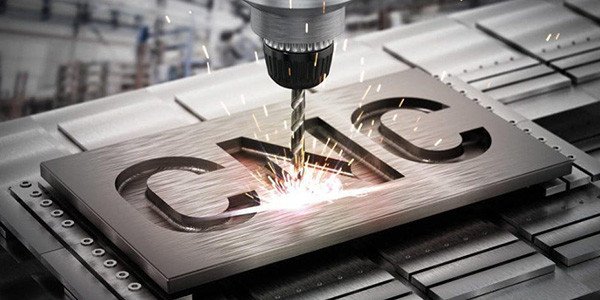
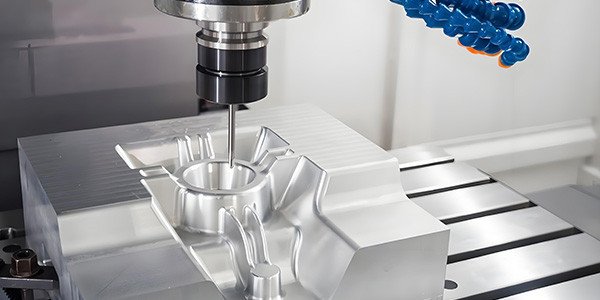
CNC routing service is a computer numerical control machining process that uses rotating cutting tools to remove material from a workpiece according to digital CAD/CAM designs. Unlike manual woodworking methods, CNC routers automatically follow programmed toolpaths, ensuring exceptional precision and repeatability.
In furniture and architectural panel production, CNC routing is commonly used for:
- Cutting wood panels into specific shapes.
- Drilling holes and slots.
- Engraving decorative patterns.
- Creating grooves and joinery features.
- Profiling edges.
- Producing complex three-dimensional surfaces.
- Manufacturing customized components.
The process allows manufacturers to convert digital designs directly into finished parts without relying heavily on manual templates or extensive hand finishing.
Why CNC Routing Is Essential for Furniture Manufacturing
Furniture manufacturers face increasing demands for customization, shorter lead times, and consistent quality. Traditional woodworking methods often struggle to balance efficiency with precision, especially for complex designs.
CNC routing solves these challenges by offering:
High Accuracy
Modern CNC routers can achieve tolerances as tight as ±0.1 mm, ensuring every component fits perfectly during assembly. Precise dimensions are particularly critical for modular furniture, cabinets, wardrobes, and flat-pack products.
Excellent Repeatability
Once a program is created, identical parts can be reproduced thousands of times without dimensional variation. This consistency is essential for mass production and standardized furniture systems.
Design Freedom
CNC routing allows designers to create intricate curves, decorative carvings, perforations, and organic shapes that would be extremely difficult or expensive using conventional woodworking methods.
Faster Production
Automated machining significantly reduces production time compared to manual cutting, drilling, and shaping operations. Multiple operations can often be completed in a single setup.
Reduced Material Waste
Optimized nesting software maximizes material utilization by arranging parts efficiently on each sheet, lowering raw material costs and reducing waste.
Importance of CNC Routing in Architectural Panels
Architectural panels have evolved beyond simple flat surfaces. Modern interior and exterior designs frequently incorporate decorative textures, geometric patterns, acoustic features, and custom branding elements.
CNC routing plays a crucial role in manufacturing:
- Decorative wall panels.
- Ceiling panels.
- Acoustic wood panels.
- Exterior façade panels.
- Partition systems.
- Reception desks.
- Retail displays.
- Hotel interiors.
- Exhibition structures.
- Custom millwork.
Architects often require unique designs for every project. CNC technology allows rapid conversion of CAD files into finished products while maintaining exceptional dimensional accuracy.
Common Materials Used in Wood CNC Routing
Professional CNC routing services can process a wide variety of wood and wood-based materials.
Solid Hardwood
Hardwoods offer excellent strength, durability, and aesthetics. Common species include:
- Oak
- Walnut
- Maple
- Ash
- Beech
- Cherry
- Teak
These materials are frequently used for premium furniture, luxury interiors, and custom architectural elements.
Softwood
Softwoods are lighter and more economical while still providing excellent machinability.
Common options include:
- Pine
- Cedar
- Spruce
- Fir
Softwoods are often used for decorative components, framing structures, and interior panel systems.
Plywood
Plywood is widely used because of its strength, dimensional stability, and cost efficiency. It is ideal for cabinets, furniture frames, shelving, and architectural panels.
MDF
Medium-density fiberboard offers a smooth surface and uniform density, making it highly suitable for painted furniture, decorative panels, and intricate carvings.
HDF
High-density fiberboard provides improved strength and is often used for precision architectural applications requiring superior surface quality.
Particle Board
Particle board is commonly used for cost-effective furniture production and laminated panel systems.
Veneered Panels
Decorative veneers provide the appearance of premium hardwood while reducing material costs and improving stability.
CNC Router Machines Used for Wood Processing
Different CNC machines are selected depending on project complexity, production volume, and material thickness.
3-Axis CNC Routers
3-axis machines are the most widely used systems in furniture manufacturing. They can efficiently perform cutting, drilling, profiling, and engraving operations on flat panels.
4-Axis CNC Routers
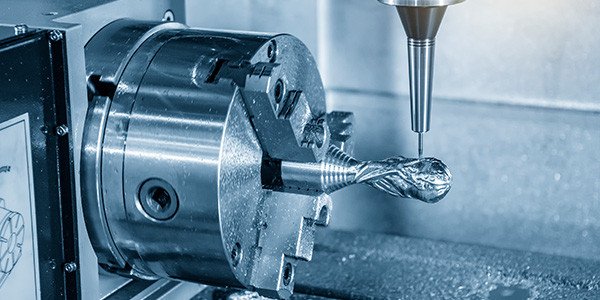
A 4-axis machine adds rotational capability, allowing cylindrical components and more complex geometries to be machined.
5-Axis CNC Routers
5-axis routers enable machining from multiple angles without repositioning the workpiece. These machines are ideal for highly complex architectural components and sculpted furniture designs.
Automatic Tool Changer (ATC) Routers
ATC systems automatically switch between different cutting tools during machining, significantly improving efficiency and reducing setup time.
CNC Routing Process for Furniture and Architectural Panels
Step 1: Design and CAD Modeling
The process begins with creating a digital model using CAD software. Designers define dimensions, shapes, holes, grooves, and decorative features.
Step 2: CAM Programming
The CAD model is imported into CAM software to generate toolpaths. Parameters such as cutting speed, spindle speed, feed rate, and tool selection are optimized according to the material.
Step 3: Material Preparation
Wood sheets or solid boards are inspected for quality and securely fixed onto the machine bed using vacuum tables or clamps.
Step 4: CNC Machining
The CNC router executes the programmed operations automatically, including cutting, drilling, engraving, pocketing, and profiling.
Step 5: Sanding and Surface Finishing
After machining, edges are cleaned and sanded to achieve the desired surface quality.
Step 6: Assembly and Inspection
Components undergo dimensional inspection and quality control before assembly or shipment.
Types of CNC Routing Operations
Professional CNC routing services can provide multiple machining operations in a single production cycle.
Panel Cutting
High-speed cutting produces accurate panel dimensions while minimizing chipping and material waste.
Pocketing
Pocketing removes material within defined areas to create recessed features.
Drilling
CNC drilling ensures precise hole locations for hardware installation and assembly.
Slotting and Grooving
Grooves and slots are essential for panel joints, sliding mechanisms, and hidden fasteners.
Engraving
Decorative engravings add branding, artistic details, and custom patterns.
Edge Profiling
Special cutters create decorative or functional edge shapes for furniture components.
Perforation
Architectural acoustic panels often require precise perforation patterns that can be easily produced with CNC routing.
Advantages of CNC Routing Over Traditional Woodworking
Compared with conventional woodworking methods, CNC routing offers numerous advantages.
| Feature | Traditional Woodworking | CNC Routing |
|---|---|---|
| Accuracy | Moderate | Extremely High |
| Repeatability | Limited | Excellent |
| Labor Requirement | High | Lower |
| Production Speed | Slower | Faster |
| Complex Geometry | Difficult | Easy |
| Material Utilization | Lower | Higher |
| Consistency | Variable | Highly Consistent |
| Scalability | Limited | Excellent |
These benefits make CNC routing the preferred manufacturing solution for both custom and mass production applications.
Applications in Furniture Manufacturing
Furniture CNC routing services are widely used for:
Kitchen Cabinets
Precision cutting ensures accurate assembly and seamless installation.
Wardrobes
Custom dimensions and modular designs are easily achieved through CNC machining.
Office Furniture
Desks, partitions, storage systems, and workstations require consistent production quality.
Hotel Furniture
Hotels often require large quantities of identical furniture with excellent aesthetics and durability.
Retail Fixtures
Display racks, shelving units, counters, and branded displays can be manufactured quickly and efficiently.
Custom Furniture
Designers can create unique shapes and personalized products without expensive tooling.
Applications in Architectural Projects
Architectural panel CNC routing is extensively used in:
- Decorative wall panels.
- Ceiling systems.
- Acoustic panels.
- Interior cladding.
- Exterior façades.
- Hotel interiors.
- Commercial spaces.
- Luxury residential projects.
- Museum displays.
- Exhibition booths.
- Reception areas.
- Feature walls.
CNC technology allows architects to bring complex designs into reality while maintaining project timelines and installation accuracy.
Quality Control in Wood CNC Routing
Quality assurance is critical to ensuring high-performance finished products.
Professional CNC routing manufacturers typically implement:
- Incoming material inspection.
- Moisture content testing.
- Tool wear monitoring.
- In-process dimensional checks.
- Surface quality inspection.
- Final assembly verification.
- Packaging inspection.
Strict quality control helps prevent warping, dimensional errors, poor fitment, and surface defects.
Factors to Consider When Choosing a CNC Routing Service Provider
Selecting the right manufacturing partner directly impacts product quality and project success.
Key considerations include:
Equipment Capability
Choose a supplier with modern CNC equipment and sufficient production capacity.
Material Expertise
Different wood materials require different machining strategies. Experienced suppliers can optimize cutting parameters for each material.
Engineering Support
A strong engineering team can improve manufacturability, reduce costs, and shorten lead times.
Quality Management
Look for suppliers with standardized inspection procedures and reliable quality systems.
Customization Capability
Custom furniture and architectural projects often require flexible production capabilities and rapid design modifications.
Finishing Services
Suppliers offering sanding, edge banding, painting, veneering, and assembly can simplify the supply chain.
Future Trends in Furniture and Architectural CNC Routing
The future of wood CNC routing is driven by automation, digital manufacturing, and smart factories.
Emerging trends include:
- Artificial intelligence toolpath optimization.
- Fully automated material loading systems.
- Robotic sanding and finishing.
- Industry 4.0 integration.
- Digital twin manufacturing.
- Real-time production monitoring.
- Increased mass customization.
- Sustainable material utilization.
As demand for personalized furniture and innovative architectural designs continues to grow, CNC routing technology will become even more important in modern wood manufacturing.
Conclusion
Furniture and architectural panel CNC routing services have revolutionized the woodworking industry by delivering precision, efficiency, flexibility, and scalability. Whether manufacturing custom furniture, decorative wall panels, acoustic systems, or large-scale architectural millwork, CNC routing provides the accuracy and repeatability required by today’s demanding markets.
By combining advanced CNC technology with skilled engineering and rigorous quality control, manufacturers can produce highly customized wood products with excellent consistency and reduced production costs. As digital design and automated manufacturing continue to evolve, CNC routing will remain one of the most powerful and indispensable technologies for furniture and architectural wood fabrication.
Choose Gazfull CNC Machining Services
At Gazfull, we specialize in providing machining services that go beyond traditional manufacturing. We aim to optimize your processes and reduce production expenses while delivering high-quality results. Our expertise and state-of-the-art 3-axis cutting systems also enable us to handle all your custom needs efficiently and precisely.
For more about furniture and architectural panel CNC routing service for modern furniture and building applications, you can pay a visit to Gazfull at https://www.gazfull.com/services/ for more info.