CNC Machining Metal Parts +86-18169936698
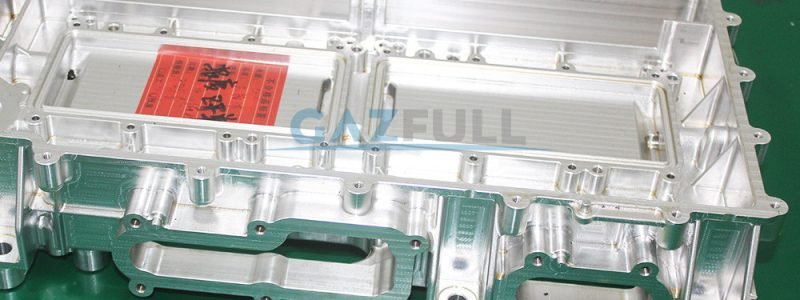
The title “Analysis of Electroplating and Passivation Processes in CNC Product Surface Treatment”
Analysis of Electroplating and Passivation Processes in CNC Product Surface Treatment
Introduction
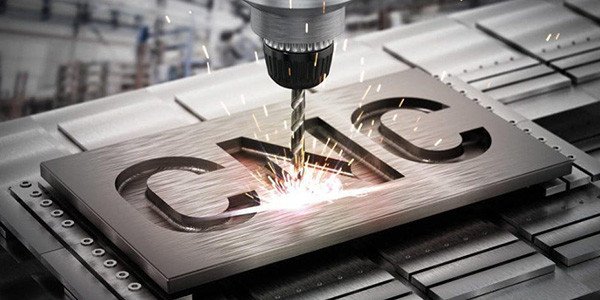
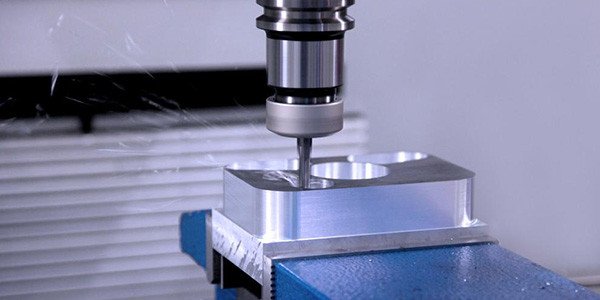
CNC machining is one of the most widely used manufacturing processes for producing high-precision metal and plastic components across industries such as aerospace, automotive, semiconductor, medical devices, robotics, electronics, and industrial automation. While CNC machining ensures exceptional dimensional accuracy and tight tolerances, the machined surface often requires additional finishing treatments to improve corrosion resistance, wear resistance, conductivity, appearance, and service life.
Among the numerous surface finishing technologies available today, electroplating and passivation are two of the most important post-machining processes. Although both aim to enhance the performance of CNC machined components, they operate through entirely different mechanisms and are suitable for different materials and applications.
This article provides a comprehensive technical analysis of electroplating and passivation, explaining their working principles, process flow, advantages, disadvantages, material compatibility, industrial applications, and guidelines for selecting the most appropriate CNC product surface treatment.
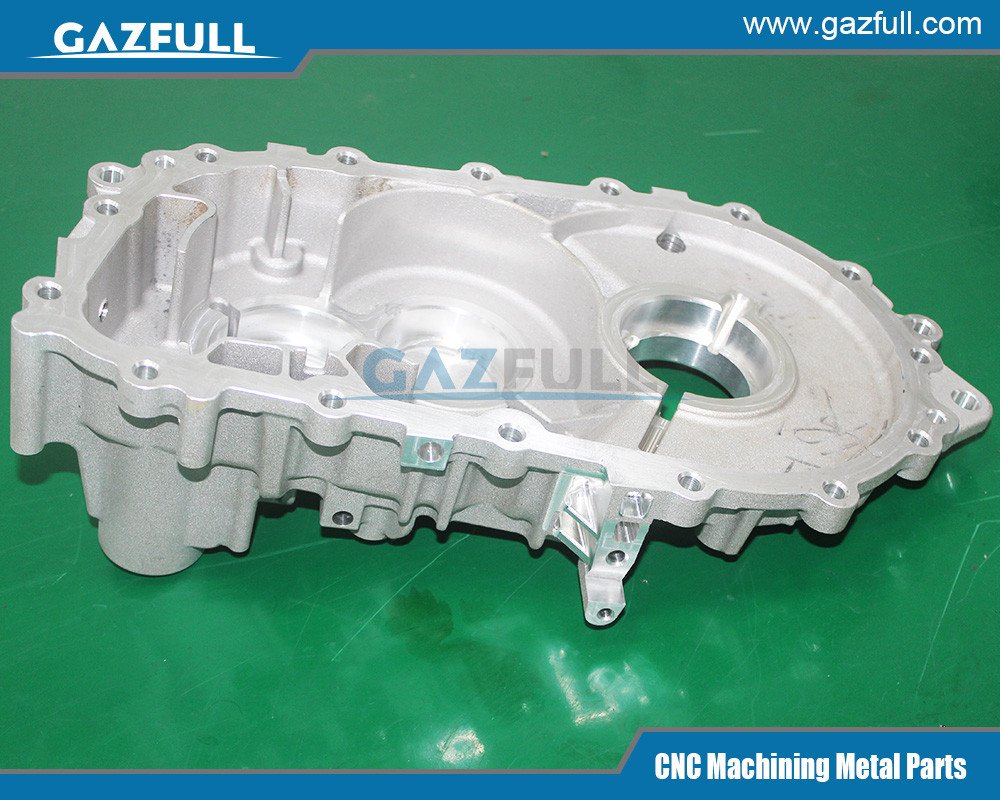
Why CNC Machined Parts Require Surface Treatment
Freshly machined metal surfaces are highly reactive because the machining process removes the natural oxide layer protecting the base material.
Without proper surface treatment, CNC parts may experience:
- Oxidation
- Rust formation
- Chemical corrosion
- Surface scratches
- Increased friction
- Poor wear resistance
- Electrical conductivity degradation
- Reduced aesthetic quality
Surface finishing addresses these issues while also improving product reliability and extending component lifespan.
The choice of treatment depends on:
- Base material
- Operating environment
- Mechanical requirements
- Electrical performance
- Cost considerations
- Industry standards
Among all finishing methods, electroplating and passivation remain two of the most cost-effective industrial solutions.
Understanding Electroplating
Electroplating is an electrochemical process that deposits a thin metallic coating onto the surface of a workpiece using electric current.
Instead of modifying the base material itself, electroplating creates an additional protective metal layer.
Common plating materials include:
- Nickel
- Chrome
- Zinc
- Copper
- Gold
- Silver
- Tin
- Palladium
The coating thickness generally ranges from 5 μm to 50 μm, depending on the application.
Electroplating Process Flow
A standard electroplating production line typically includes:
1. Surface Cleaning
The CNC part is cleaned to remove:
- Oil
- Cutting fluid
- Dust
- Grease
Improper cleaning significantly reduces coating adhesion.
2. Degreasing
Chemical or ultrasonic cleaning removes microscopic contaminants.
3. Acid Pickling
Weak acid removes:
- Oxides
- Rust
- Surface scale
This activates the metal surface.
4. Electroplating
The workpiece becomes the cathode inside an electrolyte solution.
Metal ions migrate toward the surface under direct current and gradually form a uniform coating.
5. Rinsing
Residual chemicals are thoroughly washed away.
6. Drying
Hot air drying prevents water stains and oxidation.
7. Inspection
Quality control measures include:
- Thickness measurement
- Adhesion testing
- Salt spray testing
- Visual inspection
- Surface roughness analysis
Advantages of Electroplating
Electroplating offers numerous engineering benefits.
Excellent Corrosion Resistance
Zinc, nickel, and chrome coatings effectively isolate the substrate from moisture and oxygen.
Some plated components can withstand over 1,000 hours of salt spray testing.
Improved Wear Resistance
Hard chrome plating significantly increases surface hardness.
Typical hardness:
- Stainless steel: 180–220 HV
- Hard chrome: 800–1000 HV
This greatly reduces wear in moving components.
Enhanced Appearance
Electroplating produces:
- Bright finishes
- Mirror surfaces
- Decorative colors
- Uniform gloss
Consumer electronics frequently use nickel and chrome plating for premium aesthetics.
Better Electrical Conductivity
Gold and silver plating reduce electrical resistance.
Applications include:
- RF connectors
- Semiconductor components
- PCB contacts
- Sensor terminals
Increased Surface Hardness
Certain plated coatings protect precision machined parts from abrasion without affecting dimensional accuracy.
Common Electroplating Types
Zinc Plating
Suitable for:
- Carbon steel
- Fasteners
- Automotive hardware
Advantages:
- Low cost
- Excellent corrosion protection
Nickel Plating
Widely used for:
- CNC precision parts
- Medical equipment
- Electronic housings
Advantages:
- High hardness
- Attractive appearance
- Good corrosion resistance
Chrome Plating
Applications:
- Hydraulic rods
- Mold components
- Automotive parts
Advantages:
- High hardness
- Excellent wear resistance
- Decorative finish
Gold Plating
Applications:
- Semiconductor equipment
- Electrical connectors
- Aerospace electronics
Advantages:
- Superior conductivity
- Excellent oxidation resistance
Silver Plating
Applications:
- High-current electrical components
- RF equipment
Advantages:
- Highest electrical conductivity
Understanding Passivation
Unlike electroplating, passivation does not add a new metal layer.
Instead, it chemically enhances the natural oxide film already present on stainless steel.
The process removes free iron contamination from the surface while promoting formation of a dense chromium oxide layer.
This passive film acts as a highly effective corrosion barrier.
Passivation Process Flow
Typical stainless steel passivation includes:
Cleaning
Removal of machining oils and contaminants.
Rinsing
Clean water removes detergent residues.
Acid Passivation
The workpiece is immersed in:
- Nitric acid
- Citric acid
The acid dissolves free iron while preserving chromium.
Neutralization
Chemical residues are neutralized.
Final Rinse
Multiple rinses ensure chemical cleanliness.
Drying
Hot air drying completes the process.
Inspection
Testing includes:
- Water immersion
- Copper sulfate test
- Salt spray test
- Surface cleanliness inspection
Advantages of Passivation
Superior Corrosion Resistance
The chromium-rich oxide layer dramatically improves resistance against:
- Moisture
- Salt
- Mild chemicals
- Industrial environments
No Dimensional Change
Because passivation removes only microscopic contaminants, dimensional accuracy remains unchanged.
This is critical for:
- Precision CNC machining
- Aerospace components
- Medical implants
No Added Coating
There is no risk of:
- Peeling
- Flaking
- Chipping
- Delamination
Improved Cleanliness
Passivation removes embedded iron particles left during machining.
This prevents localized corrosion.
Cost Effective
Compared with plating, passivation generally:
- Requires shorter processing time
- Uses fewer materials
- Reduces manufacturing cost
Materials Suitable for Passivation
Passivation primarily applies to stainless steels:
- 304
- 304L
- 316
- 316L
- 303
- 321
- 17-4PH
- Duplex stainless steel
It is not suitable for:
- Aluminum
- Copper
- Brass
- Carbon steel
Electroplating vs. Passivation
| Feature | Electroplating | Passivation |
|---|---|---|
| Adds coating | Yes | No |
| Corrosion resistance | Excellent | Excellent (stainless steel only) |
| Wear resistance | High | Moderate |
| Appearance improvement | Excellent | Minimal |
| Conductivity improvement | Yes | No |
| Thickness increase | Yes | No |
| Risk of peeling | Possible | None |
| Cost | Medium to High | Low |
| Material compatibility | Many metals | Stainless steel only |
Industrial Applications
Aerospace
Electroplating:
- Landing gear
- Hydraulic cylinders
- Electrical connectors
Passivation:
- Stainless steel fasteners
- Fuel system components
- Structural brackets
Medical Industry
Passivation is preferred for:
- Surgical instruments
- Orthopedic implants
- Medical CNC components
Electroplating is used selectively for specialized electrical devices.
Semiconductor Industry
Electroplating:
- Electrical contacts
- Vacuum chamber components
- RF connectors
Passivation:
- Stainless steel gas system fittings
- Ultra-high purity tubing
- Valve bodies
Automotive Industry
Electroplating protects:
- Brake components
- Fasteners
- Engine parts
Passivation protects:
- Stainless steel exhaust systems
- Sensors
- Fuel components
Food Processing Equipment
Passivation is essential for:
- Stainless steel tanks
- Pumps
- Mixing equipment
- Hygienic piping
The chromium oxide layer improves corrosion resistance while maintaining food safety.
Choosing Between Electroplating and Passivation
Engineers should evaluate several factors before selecting a surface treatment.
Electroplating is recommended when the application requires:
- Decorative appearance
- Higher hardness
- Electrical conductivity
- Wear resistance
- Multi-metal compatibility
Passivation is the better choice when:
- Stainless steel is used
- Tight dimensional tolerances are critical
- No coating buildup is allowed
- Long-term corrosion resistance is the primary objective
- Cleanliness and contamination control are essential
In some high-performance industries, electroplating and passivation may even be combined with other treatments such as electropolishing, anodizing, powder coating, or PVD coatings to achieve enhanced functionality.
Future Trends in CNC Surface Treatment
With the rapid advancement of precision manufacturing, CNC surface treatment technologies continue to evolve toward higher performance and sustainability. Environmentally friendly plating chemistries, trivalent chromium processes, and citric acid passivation are increasingly replacing traditional methods to reduce hazardous waste while maintaining excellent corrosion protection. At the same time, automation, robotic handling, AI-based quality inspection, and real-time coating thickness monitoring are improving consistency and production efficiency. As industries such as electric vehicles, aerospace, medical devices, and semiconductor manufacturing demand tighter tolerances and longer component life, advanced surface engineering will remain a critical part of modern CNC manufacturing.
Conclusion
Electroplating and passivation are indispensable surface treatment technologies for CNC machined components, each serving distinct engineering purposes. Electroplating enhances wear resistance, electrical conductivity, corrosion protection, and visual appeal by depositing a metallic coating, making it suitable for a wide range of materials and demanding industrial applications. Passivation, on the other hand, strengthens the natural chromium oxide layer on stainless steel without altering part dimensions, providing exceptional corrosion resistance, cleanliness, and long-term reliability.
Selecting the optimal process depends on the component material, operating environment, functional requirements, regulatory standards, and cost considerations. By understanding the strengths and limitations of both technologies, manufacturers can maximize the performance, durability, and value of CNC machined products while meeting the increasingly stringent demands of today’s precision engineering industries.
Choose Gazfull CNC Machining Services
At Gazfull, we specialize in providing machining services that go beyond traditional manufacturing. We aim to optimize your processes and reduce production expenses while delivering high-quality results. Our expertise and state-of-the-art 3-axis cutting systems also enable us to handle all your custom needs efficiently and precisely.
For more about analysis of electroplating and passivation processes in CNC product surface treatment, you can pay a visit to Gazfull at https://www.gazfull.com/services/ for more info.