CNC Machining Metal Parts +86-18169936698

Selecting the right manufacturing process is one of the most critical decisions in product development and industrial production. Two of the most widely used manufacturing methods today are low volume CNC machining and injection molding. Both processes offer unique advantages and limitations, making them suitable for different applications, production quantities, materials, and budget requirements.
Manufacturers across industries such as aerospace, automotive, electronics, medical devices, robotics, and industrial equipment often face the challenge of choosing between these two production methods. While CNC machining is known for its flexibility, precision, and rapid turnaround, injection molding excels in high-volume production with low per-unit costs.
This article provides a detailed comparison of low volume CNC machining and injection molding, helping engineers, designers, and procurement professionals determine which manufacturing method is best for their specific projects.

What Is Low Volume CNC Machining?
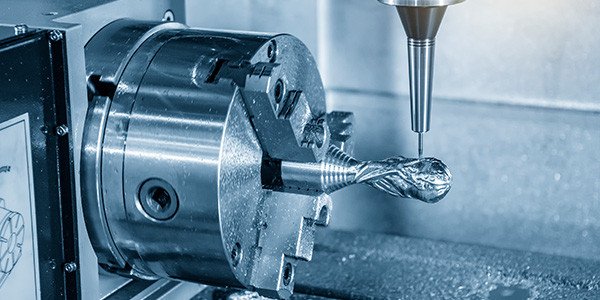
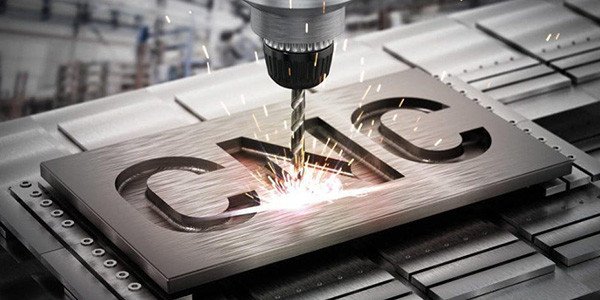
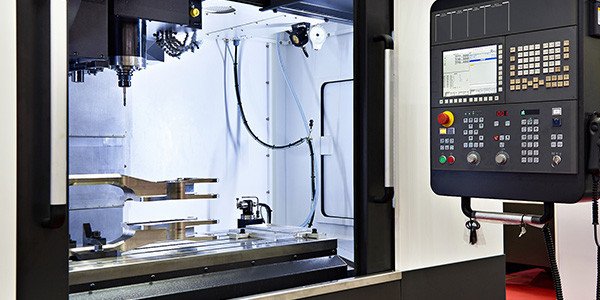
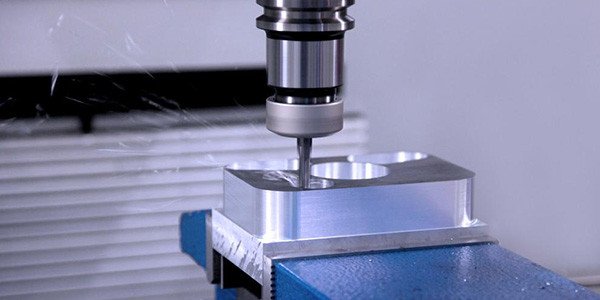
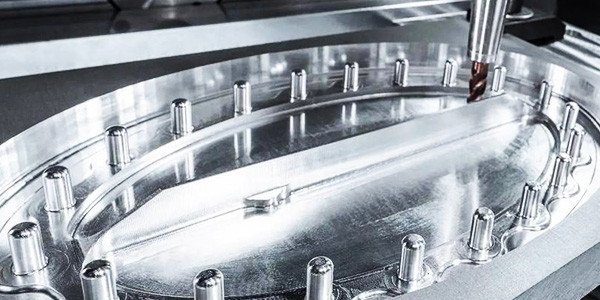
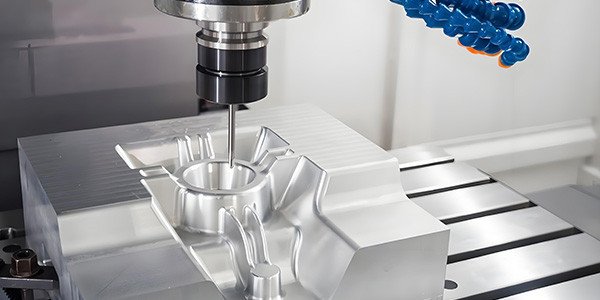
Low volume CNC machining is a manufacturing process that uses computer-controlled machine tools to remove material from a solid workpiece and create precise components. The process can involve CNC milling, CNC turning, drilling, tapping, and other subtractive manufacturing operations.
Typically, low volume production ranges from a few prototypes to several thousand parts. CNC machining is particularly valuable during product development, testing, and bridge production before transitioning to mass manufacturing.
Key Features of CNC Machining
- High dimensional accuracy
- Excellent surface finish
- No tooling investment required
- Fast design modifications
- Wide range of engineering materials
- Suitable for complex geometries
- Ideal for prototypes and low-volume production
Because CNC machining directly creates parts from CAD files, manufacturers can quickly move from design to production without waiting for expensive molds or tooling.
What Is Injection Molding?
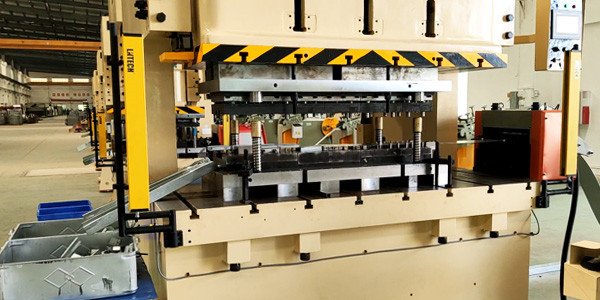
Injection molding is a manufacturing process in which molten plastic is injected into a custom-designed mold cavity under high pressure. After cooling and solidification, the molded part is ejected and the cycle repeats.
Injection molding is widely used for producing large quantities of plastic components with excellent repeatability and consistency. Industries such as consumer electronics, medical equipment, automotive interiors, packaging, and household appliances rely heavily on injection molding.
Key Features of Injection Molding
- High production efficiency
- Low unit cost at high volumes
- Excellent repeatability
- Suitable for complex plastic designs
- Consistent product quality
- Automated manufacturing process
However, injection molding requires dedicated tooling, which can significantly increase initial project costs and development time.
Comparing CNC Machining and Injection Molding
1. Initial Investment Cost
One of the biggest differences between CNC machining and injection molding is the upfront investment.
CNC Machining
CNC machining requires no molds or tooling. Production can begin immediately once the CAD design is finalized.
Advantages include:
- No mold development cost
- Lower financial risk
- Suitable for startup companies
- Cost-effective for small production runs
Injection Molding
Injection molding requires custom molds that can cost anywhere from several thousand to hundreds of thousands of dollars depending on complexity, material selection, and cavity count.
Additional expenses include:
- Mold design
- Mold manufacturing
- Mold testing
- Mold maintenance
For low-volume production, tooling costs often make injection molding economically unattractive.
Winner for low volume production: CNC Machining
2. Production Volume
Production quantity plays a major role in process selection.
CNC Machining
CNC machining is ideal for:
- Prototypes
- Functional testing parts
- Custom products
- Small batches
- Production volumes from 1 to 10,000 units
Since each part requires machine time, production costs remain relatively consistent.
Injection Molding
Injection molding becomes increasingly economical as production volume rises.
Typical applications include:
- 10,000+
- 50,000+
- 100,000+
- Millions of parts
Once tooling costs are absorbed, the cost per component becomes extremely low.
Winner for high-volume production: Injection Molding
3. Lead Time
Speed-to-market is crucial in modern manufacturing.
CNC Machining Lead Time
A CNC machined part can often be produced within days.
Typical timeline:
- CAD design: 1 day
- Programming: 1 day
- Machining: 1–5 days
- Delivery: Several days
Total project time may be less than one week.
Injection Molding Lead Time
Injection molding requires mold fabrication before production begins.
Typical timeline:
- Mold design: 1–2 weeks
- Mold manufacturing: 3–8 weeks
- Mold testing: 1–2 weeks
- Production launch
Total lead time may range from 4 to 12 weeks or longer.
For urgent projects, CNC machining offers a significant advantage.
Winner for rapid production: CNC Machining
4. Design Flexibility
Design changes are common during product development.
CNC Machining
Modifying a machined component is straightforward.
Engineers can:
- Adjust dimensions
- Change tolerances
- Modify features
- Update CAD files
Production can restart immediately with the new design.
Injection Molding
Design modifications often require mold alterations.
Possible consequences include:
- Additional tooling costs
- Production delays
- New mold fabrication
- Increased project risk
For products still undergoing development, injection molding can become expensive and time-consuming.
Winner for design flexibility: CNC Machining
5. Material Options
Material selection directly impacts product performance.
CNC Machining Materials
CNC machining supports a vast range of materials:
Metals
- Aluminum
- Stainless steel
- Titanium
- Brass
- Copper
- Carbon steel
- Tool steel
Plastics
- PEEK
- Delrin (POM)
- Nylon
- PTFE
- Polycarbonate
- ABS
- UHMW-PE
Injection Molding Materials
Injection molding primarily processes thermoplastics such as:
- ABS
- Polypropylene (PP)
- Polycarbonate (PC)
- Nylon (PA)
- PEEK
- Polyethylene (PE)
Although some advanced engineering plastics can be molded, metal production generally requires different processes.
Winner for material versatility: CNC Machining
6. Part Accuracy and Tolerance
Precision is essential in many industrial applications.
CNC Machining Accuracy
Modern CNC machines can achieve extremely tight tolerances.
Typical tolerances:
- ±0.005 mm to ±0.02 mm
- High repeatability
- Precision surface finishing
Industries benefiting from CNC precision include:
- Aerospace
- Semiconductor equipment
- Medical devices
- Scientific instruments
Injection Molding Accuracy
Injection molding provides excellent consistency but is influenced by:
- Material shrinkage
- Cooling rates
- Mold design
- Process conditions
Typical tolerances:
- ±0.05 mm to ±0.20 mm
Winner for precision: CNC Machining
7. Surface Finish Quality
Both processes can produce high-quality finishes.
CNC Machining
Available finishes include:
- Machined finish
- Bead blasting
- Anodizing
- Powder coating
- Electropolishing
- Brushing
Injection Molding
Surface texture is determined by mold quality.
Options include:
- High-gloss finishes
- Matte finishes
- Textured surfaces
- Custom grain patterns
For decorative consumer products, injection molding often delivers excellent cosmetic consistency.
Winner: Tie (depends on application)
8. Complexity of Parts
Complexity can influence manufacturing feasibility.
CNC Machining
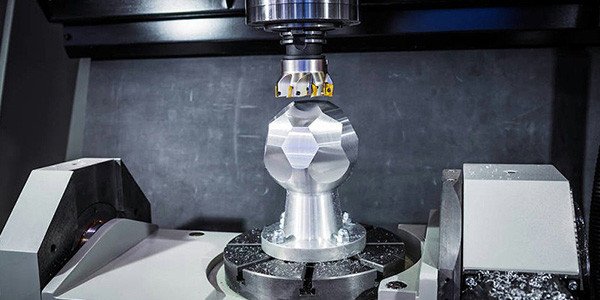
Modern 5-axis CNC machines can create highly complex geometries, but certain internal features may require multiple setups.
Injection Molding
Injection molding can create:
- Thin walls
- Snap-fit features
- Internal ribs
- Integrated clips
- Complex plastic geometries
Once the mold is optimized, intricate designs can be produced repeatedly.
Winner for complex plastic parts: Injection Molding
Cost Comparison Example
Consider a plastic housing requiring production of 500 units.
CNC Machining
- Tooling cost: $0
- Unit cost: $30
- Total cost: $15,000
Injection Molding
- Mold cost: $8,000
- Unit cost: $3
- Total cost: $9,500
At 500 units, injection molding may already become competitive.
Now consider only 50 units:
CNC Machining
- Total cost: $1,500
Injection Molding
- Mold cost: $8,000
- Parts cost: $150
- Total cost: $8,150
In this case, CNC machining is significantly more economical.
The break-even point varies depending on part geometry, material, and mold complexity, but often falls between 500 and 10,000 units.
Industries That Prefer CNC Machining
Low volume CNC machining is widely used in:
Aerospace
- Aircraft components
- Structural brackets
- Precision housings
Medical
- Surgical instruments
- Diagnostic equipment parts
- Medical prototypes
Electronics
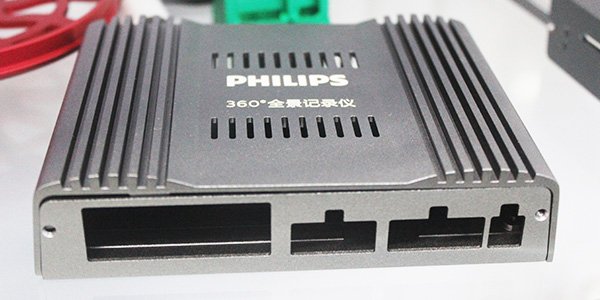
- Enclosures
- Heat sinks
- Semiconductor equipment components
Industrial Equipment
- Valves
- Pressure control components
- Custom machine parts
Robotics
- Structural frames
- Prototype assemblies
- Precision mechanical components
Industries That Prefer Injection Molding
Injection molding dominates in:
Consumer Electronics
- Device housings
- Connectors
- Accessories
Automotive
- Interior trim
- Plastic panels
- Clips and fasteners
Medical Consumables
- Syringes
- Diagnostic cartridges
- Disposable components
Household Products
- Storage containers
- Kitchen products
- Personal care items
When Should You Choose Low Volume CNC Machining?
Choose CNC machining when:
- Production volume is low
- Fast turnaround is required
- Product designs may change
- Tight tolerances are necessary
- Metal parts are needed
- Prototype validation is ongoing
- Tooling budgets are limited
For startups and product developers, CNC machining offers flexibility and reduced financial risk.
When Should You Choose Injection Molding?
Choose injection molding when:
- Production volume is high
- Design is finalized
- Consistent mass production is required
- Low unit cost is critical
- Plastic materials are suitable
- Long-term manufacturing is planned
For mature products with stable demand, injection molding often delivers the best return on investment.
Conclusion
Both low volume CNC machining and injection molding are valuable manufacturing technologies, but they serve different production objectives. CNC machining provides exceptional flexibility, precision, rapid lead times, and low upfront costs, making it the preferred choice for prototypes, custom parts, and low-volume production. Injection molding, on the other hand, offers unmatched efficiency and low per-unit costs for large-scale manufacturing once tooling investments are justified.
The best manufacturing method depends on factors such as production volume, budget, lead time requirements, material selection, and design maturity. Companies that carefully evaluate these factors can optimize production costs, accelerate product development, and improve overall manufacturing efficiency.
For most low-volume projects, rapid prototyping, and precision engineering applications, CNC machining remains the superior choice. For high-volume plastic component production, injection molding continues to be the industry standard for cost-effective mass manufacturing.
Choose Gazfull CNC Machining for Low Volume Production
At Gazfull, we specialize in providing machining services that go beyond traditional manufacturing. We aim to optimize your processes and reduce production expenses while delivering high-quality results. Our expertise and state-of-the-art 3-axis cutting systems also enable us to handle all your custom needs efficiently and precisely.
For more about low volume CNC machining vs injection molding: which manufacturing method is best, you can pay a visit to Gazfull at https://www.gazfull.com/services/ for more info.