CNC Machining Metal Parts +86-18169936698
In modern manufacturing, precision, efficiency, and scalability are critical to staying competitive. Among the many metal forming processes available today, die casting stands out as one of the most reliable and cost-effective methods for producing complex metal components in large volumes. A custom die casting service takes this process a step further by tailoring every aspect—from design and tooling to material selection and finishing—to meet specific customer requirements. This article explores the fundamentals, advantages, processes, materials, applications, and key considerations of custom die casting services.
What Is Die Casting?
Die casting is a metal casting process in which molten metal is injected under high pressure into a steel mold cavity, known as a die. These dies are typically precision-machined and capable of producing parts with tight tolerances and smooth surface finishes. Once the molten metal solidifies, the part is ejected, resulting in a near-net-shape component that requires minimal post-processing.
There are two main types of die casting processes:
- Hot Chamber Die Casting: Suitable for metals with low melting points such as zinc and magnesium. The injection system is submerged in molten metal, allowing for faster cycle times.
- Cold Chamber Die Casting: Used for metals with higher melting points, such as aluminum. Molten metal is ladled into the chamber before injection.
Custom die casting services adapt these methods to specific project requirements, ensuring optimal results for unique applications.
What Makes Die Casting “Custom”?
A standard die casting service typically focuses on producing parts based on existing molds or standardized designs. In contrast, a custom die casting service involves a collaborative approach where the manufacturer works closely with the client to develop a component from concept to final production.
Customization may include:
- Part Design Optimization: Engineers refine designs for manufacturability, strength, and weight reduction.
- Material Selection: Choosing the most suitable alloy based on mechanical, thermal, and corrosion resistance requirements.
- Tooling Design and Fabrication: Creating bespoke dies tailored to the part geometry.
- Surface Finishing Options: Including powder coating, anodizing, plating, or polishing.
- Tolerance and Quality Requirements: Meeting specific industry standards and performance criteria.
Advantages of Custom Die Casting Services
1. High Precision and Consistency
Custom die casting enables the production of parts with tight dimensional tolerances and excellent repeatability. This is especially important in industries such as aerospace, automotive, and electronics, where precision is critical.
2. Complex Geometry Capability
The process allows for the creation of intricate shapes, thin walls, and internal cavities that would be difficult or impossible to achieve with other manufacturing methods.
3. Cost Efficiency at Scale
While the initial tooling cost can be high, the per-unit cost decreases significantly with large production volumes. Customization ensures that the design is optimized for cost-effective manufacturing.
4. Superior Surface Finish
Parts produced through die casting typically have smooth surfaces, reducing the need for additional machining or finishing operations.
5. Material Efficiency
Die casting minimizes material waste compared to subtractive manufacturing processes such as CNC machining.
Common Materials Used in Custom Die Casting
Material selection is a crucial aspect of any custom die casting project. The most commonly used alloys include:
Aluminum Alloys
Aluminum is widely used due to its excellent strength-to-weight ratio, corrosion resistance, and thermal conductivity. It is ideal for automotive parts, electronic housings, and structural components.
Zinc Alloys
Zinc offers exceptional fluidity, allowing for highly detailed and thin-walled components. It also provides excellent dimensional stability and is often used in consumer products and hardware.
Magnesium Alloys
Magnesium is one of the lightest structural metals, making it ideal for applications where weight reduction is critical, such as in aerospace and portable electronics.
Copper Alloys
Although less common due to higher melting points, copper alloys are used when superior electrical conductivity and strength are required.
The Custom Die Casting Process
A typical custom die casting service follows several key steps:
1. Design and Engineering
The process begins with a detailed analysis of the customer’s requirements. Engineers use CAD software to design the part and simulate the casting process, identifying potential issues such as air entrapment or shrinkage.
2. Tooling Development
Once the design is finalized, a custom die (mold) is manufactured using high-grade tool steel. This step is critical, as the quality of the die directly impacts the final product.
3. Casting
Molten metal is injected into the die under high pressure. The pressure ensures that the metal fills all cavities and captures fine details.
4. Cooling and Ejection
After solidification, the die is opened, and the part is ejected. Cooling time is carefully controlled to prevent defects.
5. Trimming and Finishing
Excess material, such as flash and runners, is removed. Additional finishing processes may include machining, surface treatment, and coating.
6. Inspection and Quality Control
Parts undergo rigorous inspection using tools such as coordinate measuring machines (CMM), X-ray analysis, and visual inspection to ensure compliance with specifications.
Applications of Custom Die Casting
Custom die casting services are widely used across various industries:
Automotive Industry
Components such as engine blocks, transmission housings, brackets, and structural parts are commonly produced using die casting due to their strength and lightweight properties.
Electronics and Telecommunications
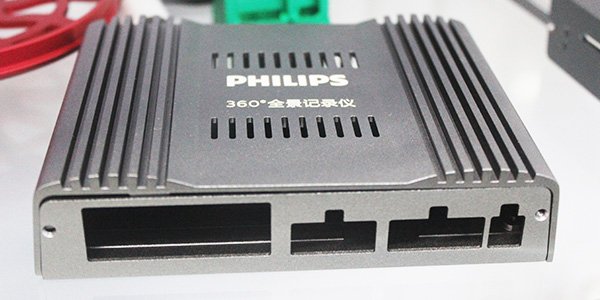
Die-cast enclosures provide excellent electromagnetic shielding and heat dissipation for electronic devices.
Aerospace
Precision and weight reduction are critical in aerospace applications, making die casting an ideal choice for certain structural and non-structural components.
Industrial Equipment
Custom die-cast parts are used in machinery, pumps, and tools where durability and precision are essential.
Consumer Products
Items such as appliance housings, lighting fixtures, and hardware components benefit from the aesthetic and functional advantages of die casting.
Key Considerations When Choosing a Custom Die Casting Service Provider
Selecting the right partner is crucial to the success of your project. Consider the following factors:
1. Engineering Expertise
A provider with strong design and engineering capabilities can help optimize your part for manufacturability and performance.
2. Material Knowledge
Understanding the properties and limitations of different alloys is essential for selecting the best material for your application.
3. Tooling Capability
High-quality tooling ensures consistent production and longer mold life.
4. Quality Assurance
Look for certifications such as ISO 9001 and robust quality control processes.
5. Production Capacity
Ensure the provider can meet your volume requirements and delivery timelines.
6. Post-Processing Services
A full-service provider that offers machining, finishing, and assembly can streamline your supply chain.
Challenges in Custom Die Casting
Despite its many advantages, custom die casting also presents certain challenges:
- High Initial Tooling Costs: Custom molds require significant upfront investment.
- Design Limitations: Certain geometries may require design modifications to be castable.
- Porosity Issues: Air entrapment can lead to internal voids, affecting strength.
- Material Constraints: Not all metals are suitable for die casting.
However, with proper design optimization and process control, these challenges can be effectively managed.
Future Trends in Custom Die Casting
The die casting industry continues to evolve with advancements in technology:
- Automation and Robotics: Increasing efficiency and reducing labor costs.
- Simulation Software: Improving design accuracy and reducing trial-and-error.
- Sustainable Practices: Recycling materials and reducing energy consumption.
- High-Performance Alloys: Developing new materials with enhanced properties.
These innovations are making custom die casting services more efficient, sustainable, and capable of meeting the demands of modern industries.
Conclusion
Custom die casting services play a vital role in today’s manufacturing landscape, offering a powerful combination of precision, efficiency, and flexibility. By tailoring every aspect of the process to specific requirements, manufacturers can produce high-quality components that meet the exact needs of their applications.
From material selection and tooling design to finishing and quality control, a well-executed custom die casting project delivers significant advantages in performance, cost, and scalability. As technology continues to advance, custom die casting will remain a cornerstone of industrial production, enabling innovation across a wide range of sectors.
Choose Gazfull CNC Machining Services
At Gazfull, we specialize in providing machining services that go beyond traditional manufacturing. We aim to optimize your processes and reduce production expenses while delivering high-quality results. Our expertise and state-of-the-art 3-axis cutting systems also enable us to handle all your custom needs efficiently and precisely.
For more about custom die casting service for precision metal components in modern manufacturing industries, you can pay a visit to Gazfull at https://www.gazfull.com/services/ for more info.