CNC Machining Metal Parts +86-18169936698

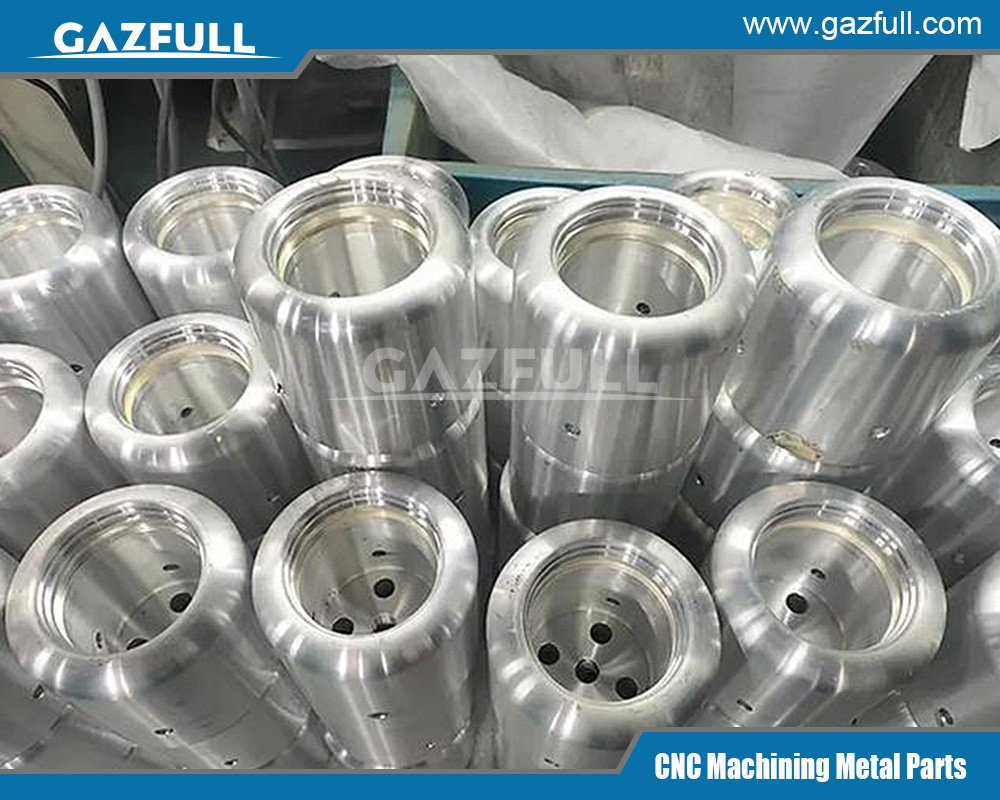
CNC (Computer Numerical Control) machining has long been recognized as a cornerstone of modern manufacturing. While it is often associated with prototyping and low-volume production, CNC machining is equally capable of supporting high-volume manufacturing when properly optimized. High volume machining refers to the large-scale production of parts—often thousands or millions of units—while maintaining strict tolerances, consistency, and efficiency.
In today’s competitive industrial landscape, manufacturers are increasingly leveraging CNC machining for high-volume production due to its flexibility, precision, and ability to integrate with automated systems. This article explores the principles, advantages, challenges, and best practices associated with CNC machining for high-volume manufacturing.

Understanding High Volume CNC Machining
High volume CNC machining involves the repeated production of identical or near-identical components using automated machine tools controlled by pre-programmed instructions. Unlike traditional mass production methods such as injection molding or die casting, CNC machining removes material from a solid block (subtractive manufacturing) to create the final part.
Key characteristics of high-volume CNC machining include:
- Consistency and repeatability across thousands of parts
- Tight tolerances often within microns
- Automated workflows with minimal manual intervention
- Optimized cycle times to maximize throughput
- Integration with quality control systems
High volume production typically requires careful planning and investment in tooling, fixturing, and process optimization to achieve cost efficiency comparable to other mass production methods.
Advantages of CNC Machining for High Volume Production
1. Precision and Repeatability
One of the most significant advantages of CNC machining is its ability to maintain extremely tight tolerances across large production runs. Once a program is validated, the machine can replicate the same toolpath repeatedly with minimal deviation.
This makes CNC machining ideal for industries such as:
- Aerospace
- Automotive
- Medical device manufacturing
- Electronics
2. Flexibility in Design Changes
Unlike injection molding, which requires expensive mold modifications, CNC machining allows for quick design updates through program changes. This flexibility is especially valuable in high-volume production environments where design iterations may still occur.
3. Material Versatility
CNC machines can process a wide range of materials, including:
- Metals (aluminum, steel, titanium, brass)
- Plastics (ABS, PEEK, nylon)
- Composites
This versatility enables manufacturers to produce diverse product lines without changing core equipment.
4. Reduced Lead Time
Although initial setup may take time, CNC machining eliminates the need for mold fabrication, significantly reducing lead times. For high-volume production, this means faster time-to-market.
5. Automation and Scalability
Modern CNC systems can be integrated with:
- Robotic loading/unloading systems
- Automated tool changers
- In-line inspection systems
This allows manufacturers to scale production efficiently while minimizing labor costs.
Key Technologies Enabling High Volume CNC Machining
Multi-Axis Machining
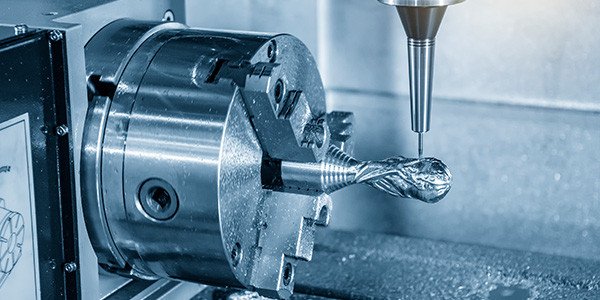
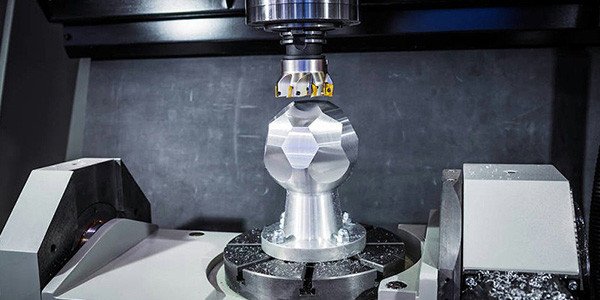
Advanced CNC machines with 4-axis or 5-axis capabilities can perform complex operations in a single setup. This reduces cycle time and improves accuracy by eliminating repositioning errors.
High-Speed Machining (HSM)
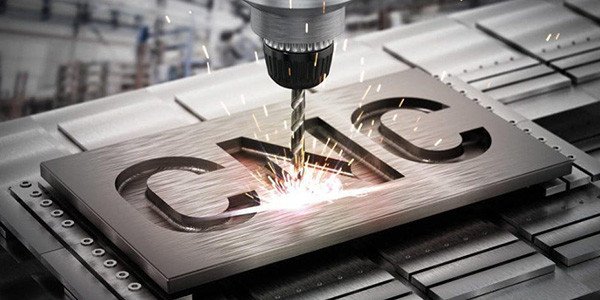
High-speed machining involves increased spindle speeds and feed rates, allowing faster material removal while maintaining surface quality. HSM is critical for high-volume production as it directly impacts throughput.
Pallet Systems
Pallet changers enable continuous operation by allowing one part to be machined while another is being loaded or unloaded. This significantly reduces downtime between cycles.
Tool Monitoring Systems
Automated tool wear detection systems help prevent defects and machine downtime by identifying when tools need replacement.
CAD/CAM Integration
Modern CAD/CAM software optimizes toolpaths, reducing machining time and improving efficiency. Simulation features help identify potential issues before production begins.
Process Optimization for High Volume Production
Achieving efficiency in high-volume CNC machining requires a systematic approach to process optimization.
1. Toolpath Optimization
Efficient toolpaths minimize unnecessary movements and reduce machining time. Strategies include:
- High-efficiency milling (HEM)
- Adaptive clearing
- Constant engagement cutting
2. Fixture Design
Custom fixtures ensure consistent part positioning and reduce setup time. In high-volume production, fixtures are often designed for:
- Quick loading/unloading
- Multi-part holding
- Minimal operator intervention
3. Cycle Time Reduction
Cycle time directly impacts production cost. Techniques to reduce cycle time include:
- Using high-performance cutting tools
- Optimizing cutting parameters (speed, feed, depth)
- Minimizing tool changes
4. Standardization
Standardizing tools, processes, and setups across machines improves efficiency and simplifies maintenance.
5. Preventive Maintenance
Regular maintenance ensures machines operate at peak performance and reduces unexpected downtime.
Quality Control in High Volume CNC Machining
Maintaining consistent quality across large production runs is critical.
In-Process Inspection
Sensors and probes integrated into CNC machines allow real-time measurement and adjustments.
Statistical Process Control (SPC)
SPC techniques monitor production data to identify trends and deviations before defects occur.
Automated Inspection Systems
Coordinate Measuring Machines (CMM) and vision systems ensure parts meet specifications without slowing production.
Traceability
Advanced manufacturing systems track each part’s production data, enabling quick identification of issues.
Challenges of High Volume CNC Machining
Despite its advantages, high-volume CNC machining presents several challenges.
1. High Initial Setup Cost
Investment in tooling, fixtures, and programming can be significant. However, these costs are amortized over large production volumes.
2. Tool Wear and Replacement
Continuous machining leads to tool wear, which can affect part quality. Effective tool management is essential.
3. Material Waste
As a subtractive process, CNC machining generates more waste compared to additive or molding processes.
4. Machine Utilization
Maximizing machine uptime is critical. Any downtime can significantly impact production output.
5. Skilled Workforce Requirement
Operating and optimizing CNC systems requires skilled engineers and technicians.
CNC Machining vs. Other High Volume Manufacturing Methods
CNC Machining vs. Injection Molding
| Aspect | CNC Machining | Injection Molding |
|---|---|---|
| Setup Cost | Moderate | High (molds) |
| Flexibility | High | Low |
| Material Range | Wide | Limited |
| Best For | Medium to high volume | Very high volume |
CNC Machining vs. Die Casting
| Aspect | CNC Machining | Die Casting |
|---|---|---|
| Precision | Very high | High |
| Surface Finish | Excellent | Good |
| Tooling Cost | Lower | Higher |
| Design Changes | Easy | Difficult |
CNC machining is often preferred for high-volume production when flexibility, precision, and shorter lead times are required.
Industry Applications
Automotive Industry
CNC machining is widely used for producing engine components, transmission parts, and structural elements at high volumes.
Aerospace Industry
High precision and traceability make CNC machining essential for critical aerospace components.
Medical Devices
CNC machining supports the production of implants, surgical instruments, and diagnostic equipment.
Electronics
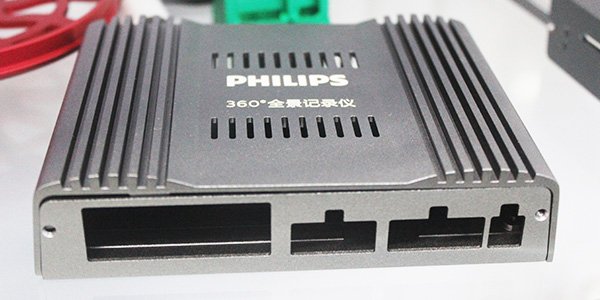
High-volume machining is used for enclosures, connectors, and heat sinks.
Future Trends in High Volume CNC Machining
Smart Manufacturing
Integration with IoT and Industry 4.0 technologies enables real-time monitoring and predictive maintenance.
Artificial Intelligence
AI-driven optimization improves toolpath efficiency, reduces waste, and enhances quality control.
Hybrid Manufacturing
Combining CNC machining with additive manufacturing allows for greater design flexibility and material efficiency.
Sustainability
Efforts to reduce material waste and energy consumption are becoming increasingly important.
Best Practices for Implementing High Volume CNC Machining
To successfully implement CNC machining for high-volume production, manufacturers should:
- Invest in high-quality machines and tooling
- Optimize CAD/CAM workflows
- Design for manufacturability (DFM)
- Implement automation wherever possible
- Establish robust quality control systems
- Continuously monitor and improve processes
Conclusion
CNC machining has evolved beyond its traditional role in prototyping and low-volume production to become a viable and competitive solution for high-volume manufacturing. With advancements in automation, software, and machine capabilities, CNC machining can deliver the precision, flexibility, and efficiency required for large-scale production.
While challenges such as initial setup costs and tool wear remain, these can be effectively managed through proper planning and optimization. As industries continue to demand higher quality and faster production cycles, CNC machining will play an increasingly important role in high-volume manufacturing strategies.
By leveraging modern technologies and best practices, manufacturers can maximize the benefits of CNC machining and remain competitive in an ever-evolving global market.
Choose Gazfull CNC Machining Services
At Gazfull, we specialize in providing machining services that go beyond traditional manufacturing. We aim to optimize your processes and reduce production expenses while delivering high-quality results. Our expertise and state-of-the-art 3-axis cutting systems also enable us to handle all your custom needs efficiently and precisely.
For more about efficient CNC machining services for high volume production runs, machine dynamics, and process control, you can pay a visit to Gazfull at https://www.gazfull.com/services/ for more info.