CNC Machining Metal Parts +86-18169936698
In today’s fast-paced manufacturing landscape, speed, precision, and flexibility are critical factors that determine a company’s ability to stay competitive. As product development cycles shorten and customization demands increase, manufacturers are turning to advanced machining solutions that can deliver high-quality parts in minimal time. Among these solutions, rapid CNC routing services have emerged as a powerful tool for producing prototypes and low-volume components efficiently and cost-effectively.
CNC (Computer Numerical Control) routing combines digital design with automated machining to create complex parts from a wide range of materials. When optimized for rapid production, CNC routing becomes an indispensable resource for engineers, designers, and manufacturers seeking to accelerate innovation while maintaining tight tolerances and superior surface finishes.
This article explores the principles, advantages, applications, and optimization strategies of rapid CNC routing services for prototype development and low-volume production.
What is CNC Routing?
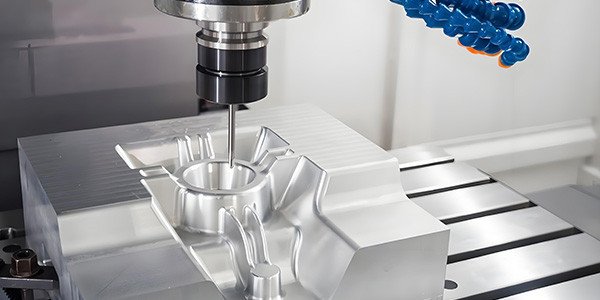
CNC routing is a subtractive manufacturing process in which a rotating cutting tool removes material from a workpiece to produce a desired shape. Unlike CNC milling, which is typically used for metals and high-precision components, CNC routing is especially effective for softer materials such as plastics, wood, composites, foam, and certain non-ferrous metals like aluminum.
The process begins with a CAD (Computer-Aided Design) model, which is converted into machine instructions (G-code) using CAM (Computer-Aided Manufacturing) software. The CNC router then follows these instructions to cut, carve, and shape the material with high accuracy and repeatability.
When configured for rapid service, CNC routing emphasizes reduced setup times, streamlined workflows, and fast turnaround, making it ideal for prototypes and small production runs.
The Importance of Rapid Prototyping
Rapid prototyping is a critical phase in product development, allowing designers to validate concepts, test functionality, and identify potential issues before full-scale production. Traditional prototyping methods can be time-consuming and costly, often delaying product launches.
Rapid CNC routing addresses these challenges by offering:
- Quick turnaround times (often within 24–72 hours)
- High dimensional accuracy
- Material versatility
- Functional prototypes suitable for real-world testing
Unlike additive manufacturing (3D printing), CNC routing produces parts from solid materials, resulting in prototypes with mechanical properties closer to final production components.
Advantages of Rapid CNC Routing for Low Volume Production
1. Speed and Efficiency
Rapid CNC routing services are optimized for minimal lead times. Advanced software, automated tool paths, and efficient machine setups allow manufacturers to produce parts quickly without sacrificing quality. This is particularly beneficial for industries where time-to-market is critical.
2. Cost-Effectiveness
For low-volume production, CNC routing eliminates the need for expensive tooling such as molds or dies. This significantly reduces upfront costs, making it an economical choice for small batches and custom parts.
3. Design Flexibility
CNC routing allows for easy design modifications. Changes can be implemented directly in the CAD model without requiring new tooling, enabling iterative development and customization.
4. Material Versatility
A wide range of materials can be processed using CNC routers, including:
- Plastics (ABS, acrylic, polycarbonate, PVC)
- Composites (carbon fiber, fiberglass)
- Wood and engineered wood products
- Foam and signage materials
- Aluminum and other soft metals
This versatility makes CNC routing suitable for diverse applications across multiple industries.
5. High Precision and Repeatability
Modern CNC routers can achieve tight tolerances and consistent results across multiple parts. This ensures that even low-volume batches maintain uniform quality.
Key Applications
Rapid CNC routing services are widely used in various industries for both prototyping and low-volume production.
1. Aerospace and Automotive
In these industries, CNC routing is used to produce lightweight components, interior panels, and prototype parts. The ability to quickly iterate designs is essential for performance optimization.
2. Electronics and Enclosures
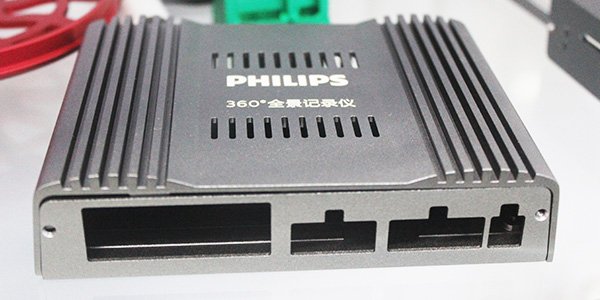
CNC routing is ideal for manufacturing custom enclosures, panels, and housings for electronic devices. Precision cutouts and intricate designs can be achieved بسهولة.
3. Signage and Display
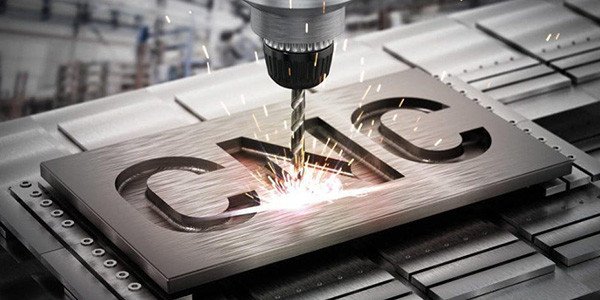
The signage industry relies heavily on CNC routing for creating custom signs, lettering, and display components from acrylic, foam, and composite materials.
4. Medical Devices
Rapid prototyping is crucial in medical device development. CNC routing enables the production of functional prototypes for testing and validation.
5. Furniture and Interior Design
Custom furniture components, decorative panels, and architectural elements can be efficiently produced using CNC routing.
Process Workflow
A typical rapid CNC routing service follows a streamlined workflow:
1. Design Submission
The process begins with the submission of a CAD file (e.g., STEP, IGES, DXF). Design for manufacturability (DFM) analysis may be performed to ensure optimal machining.
2. Material Selection
The appropriate material is chosen based on the application requirements, including strength, durability, and appearance.
3. Toolpath Generation
CAM software generates optimized toolpaths to minimize machining time while maintaining accuracy.
4. Machine Setup
Quick-change tooling and standardized setups reduce preparation time, enabling rapid production.
5. Machining
The CNC router executes the programmed instructions to produce the part.
6. Finishing and Inspection
Post-processing steps such as sanding, polishing, or coating may be applied. Quality inspection ensures compliance with specifications.
Optimization Strategies for Rapid CNC Routing
To maximize efficiency and quality, several optimization strategies can be implemented:
1. Design for CNC Routing
Designing parts with CNC routing in mind can significantly reduce production time and cost. Key considerations include:
- Avoiding overly complex geometries
- Using standard tool sizes
- Minimizing deep pockets and sharp internal corners
- Maintaining uniform wall thickness
2. Tool Selection
Choosing the right cutting tools (e.g., end mills, compression bits) improves cutting performance and surface finish while reducing wear.
3. Material Optimization
Selecting materials that are easy to machine can shorten cycle times and extend tool life.
4. Efficient Nesting
For sheet-based materials, nesting multiple parts within a single sheet maximizes material utilization and reduces waste.
5. Automation and Software Integration
Advanced CAM software and machine automation reduce human intervention, improving consistency and speed.
Comparison with Other Manufacturing Methods
CNC Routing vs. CNC Milling
While both processes use computer-controlled machining, CNC routing is generally faster and more cost-effective for larger, less dense materials. CNC milling, on the other hand, is better suited for high-precision metal components.
CNC Routing vs. 3D Printing
3D printing excels in producing highly complex geometries and internal structures. However, CNC routing offers superior surface finish, material strength, and scalability for functional parts.
CNC Routing vs. Injection Molding
Injection molding is ideal for high-volume production but requires significant tooling investment. CNC routing is more suitable for prototypes and low-volume runs due to its flexibility and lower initial costs.
Challenges and Limitations
Despite its advantages, CNC routing has certain limitations:
- Material Constraints: Not suitable for very hard metals or heat-resistant alloys.
- Tool Access: Complex internal features may be difficult to machine.
- Waste Generation: As a subtractive process, it produces material waste.
- Setup Complexity: Although optimized for speed, initial setup still requires expertise.
Understanding these limitations helps manufacturers choose the most appropriate process for their needs.
Future Trends
The future of rapid CNC routing is shaped by advancements in technology and increasing demand for customization.
1. Integration with Digital Manufacturing
The adoption of Industry 4.0 technologies enables real-time monitoring, predictive maintenance, and data-driven optimization.
2. Hybrid Manufacturing
Combining CNC routing with additive manufacturing allows for greater design freedom and efficiency.
3. AI and Automation
Artificial intelligence is being used to optimize toolpaths, reduce errors, and improve machining efficiency.
4. Sustainable Practices
Efforts to reduce material waste and energy consumption are driving the development of more sustainable CNC routing solutions.
Conclusion
Rapid CNC routing services play a vital role in modern manufacturing, particularly for prototype development and low-volume production. By combining speed, precision, and flexibility, this technology enables companies to accelerate innovation, reduce costs, and bring products to market faster.
As industries continue to evolve, the demand for agile and efficient manufacturing solutions will only grow. Rapid CNC routing, supported by advanced software and automation, is well-positioned to meet these demands and remain a cornerstone of modern production strategies.
Whether for functional prototypes, custom components, or small production runs, CNC routing offers a reliable and scalable solution that bridges the gap between design and manufacturing.
Choose Gazfull CNC Machining Services
At Gazfull, we specialize in providing machining services that go beyond traditional manufacturing. We aim to optimize your processes and reduce production expenses while delivering high-quality results. Our expertise and state-of-the-art 3-axis cutting systems also enable us to handle all your custom needs efficiently and precisely.
For more about rapid CNC routing service for prototype and low volume parts, you can pay a visit to Gazfull at https://www.gazfull.com/services/ for more info.