CNC Machining Metal Parts +86-18169936698
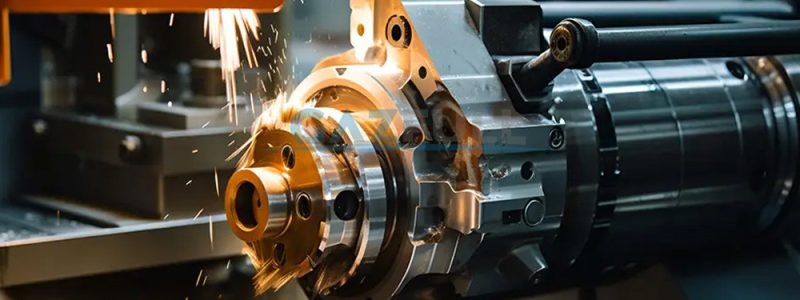
In today’s highly competitive and innovation-driven industrial landscape, manufacturers are under increasing pressure to accelerate product development cycles while maintaining exceptional quality standards. Rapid CNC machining low volume manufacturing services have emerged as a critical solution, bridging the gap between prototyping and full-scale production. By combining speed, flexibility, and precision, this approach enables companies to bring products to market faster while ensuring tight tolerances and consistent performance.
Understanding Rapid CNC Machining
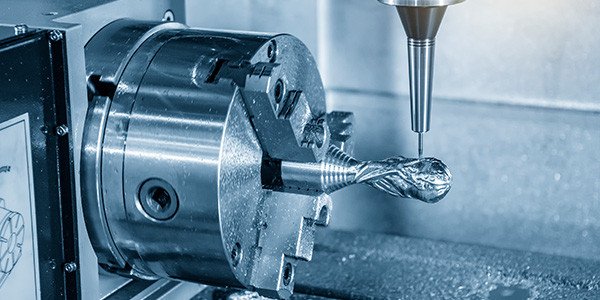
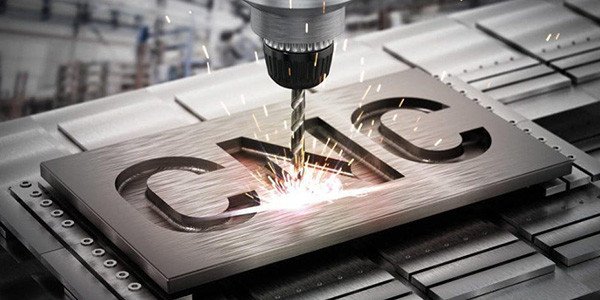
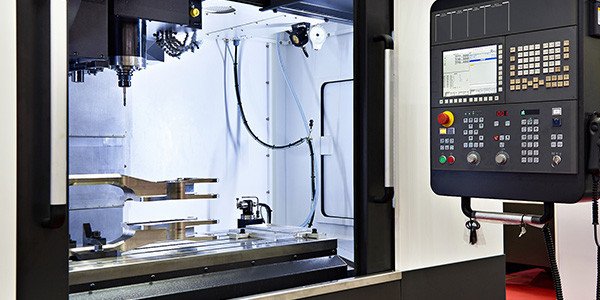
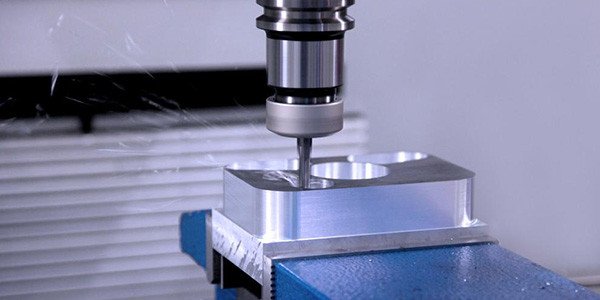
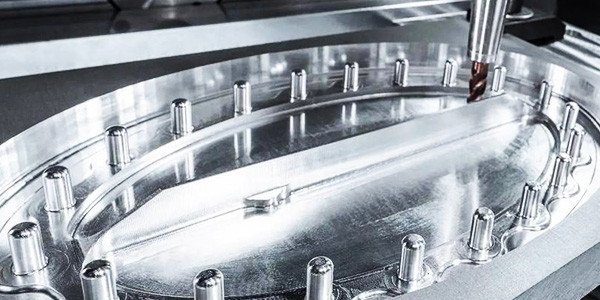
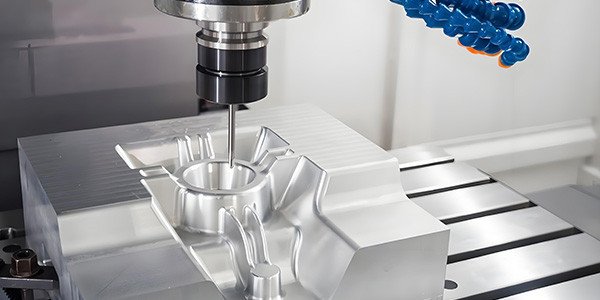
Computer Numerical Control (CNC) machining is a subtractive manufacturing process where pre-programmed computer software dictates the movement of factory tools and machinery. These tools include mills, lathes, routers, and grinders, capable of producing highly precise components from a variety of materials such as metals, plastics, and composites.
Rapid CNC machining refers to the optimization of this process to significantly reduce lead times. Through advanced programming, efficient toolpath strategies, and streamlined workflows, manufacturers can deliver high-quality parts in days rather than weeks. This capability is especially valuable in industries such as aerospace, medical devices, automotive, electronics, and semiconductor manufacturing, where time-to-market is a critical factor.
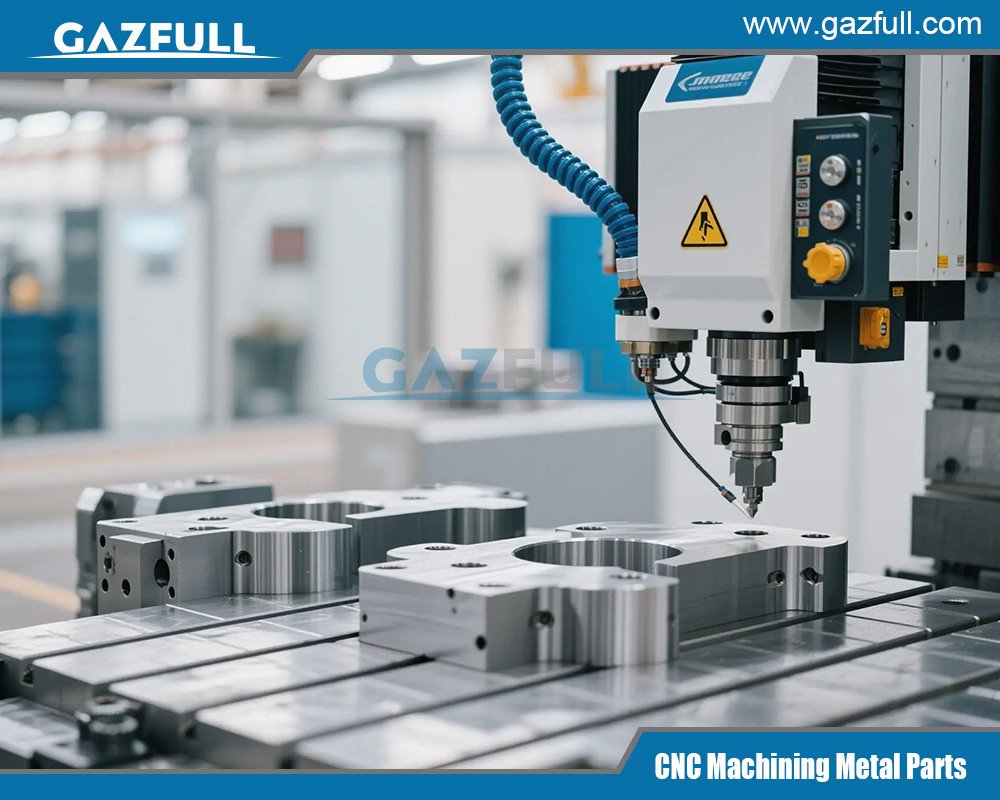
The Role of Low Volume Manufacturing
Low volume manufacturing typically involves the production of parts in quantities ranging from a single unit to several thousand pieces. Unlike mass production, which requires expensive tooling and long setup times, low volume manufacturing leverages flexible processes like CNC machining to produce parts economically without large upfront investments.
This approach is ideal for:
- Functional prototyping and design validation
- Bridge production before mass manufacturing
- Custom or specialized components
- Market testing and pilot runs
- Spare parts and legacy component replacement
By utilizing rapid CNC machining for low volume production, companies can iterate designs quickly, reduce financial risk, and maintain agility in response to changing market demands.
Achieving Tight Tolerances
One of the defining advantages of CNC machining is its ability to achieve tight tolerances. Tolerance refers to the allowable deviation from a specified dimension, and in high-precision industries, even microns can make a significant difference.
Rapid CNC machining services are capable of maintaining tolerances as tight as ±0.005 mm or better, depending on the material and geometry. Achieving such precision requires a combination of factors:
1. Advanced Machinery
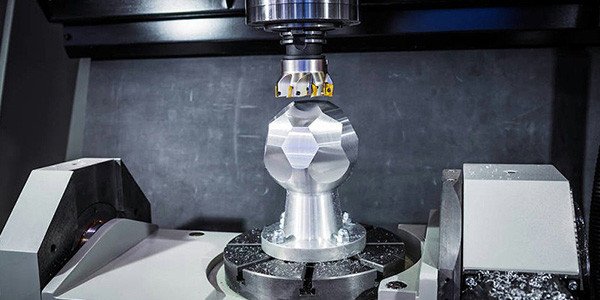
High-performance CNC machines with multi-axis capabilities (3-axis, 4-axis, and 5-axis) enable complex geometries to be machined with minimal repositioning. This reduces cumulative errors and improves dimensional accuracy.
2. Precision Tooling
High-quality cutting tools, including carbide and diamond-coated tools, are essential for maintaining sharpness and minimizing tool wear, which directly impacts accuracy.
3. Skilled Programming
Experienced CNC programmers optimize toolpaths to minimize deflection, vibration, and thermal distortion. Simulation software is often used to verify machining strategies before actual production.
4. Rigorous Quality Control
Inspection methods such as Coordinate Measuring Machines (CMM), optical inspection systems, and laser scanners ensure that each part meets the specified tolerances. Statistical process control (SPC) may also be employed to monitor consistency.
Material Versatility
Rapid CNC machining supports a wide range of engineering materials, allowing manufacturers to select the most suitable option based on application requirements.
Metals:
Aluminum alloys (e.g., 6061, 7075), stainless steels (e.g., 304, 316), titanium, brass, and copper are commonly used for their strength, durability, and machinability.
Plastics:
Engineering plastics such as PEEK, PTFE, Delrin (POM), ABS, and polycarbonate are frequently machined for applications requiring lightweight, corrosion resistance, or electrical insulation.
Specialty Materials:
In high-performance industries, materials like Inconel, Hastelloy, and ceramics may be used, requiring specialized machining expertise.
The ability to machine production-grade materials ensures that low volume parts can be tested under real-world conditions, providing accurate performance data before scaling up.
Advantages of Rapid CNC Machining for Low Volume Production
1. Reduced Lead Time
Rapid CNC machining significantly shortens production cycles. With digital workflows and minimal setup requirements, parts can often be delivered within a few days.
2. Cost Efficiency
Without the need for molds or dies, initial costs are much lower compared to injection molding or die casting. This makes it ideal for small batches and iterative development.
3. High Precision and Repeatability
CNC machining ensures consistent quality across all parts, even in small production runs. Tight tolerances are maintained throughout the process.
4. Design Flexibility
Design changes can be implemented quickly by updating CAD/CAM files, eliminating the need for new tooling.
5. Scalability
Rapid CNC machining can serve as a bridge to mass production. Once the design is finalized, the same digital models can be used for larger-scale manufacturing processes.
Applications Across Industries
Aerospace
Precision components such as brackets, housings, and structural parts require tight tolerances and high-performance materials. Rapid CNC machining supports both prototyping and low-rate initial production.
Medical Devices
Surgical instruments, implants, and diagnostic equipment components demand exceptional accuracy and biocompatibility. CNC machining ensures compliance with stringent regulatory standards.
Automotive
From engine components to custom fixtures, rapid CNC machining enables fast development and testing of new designs.
Electronics and Semiconductors
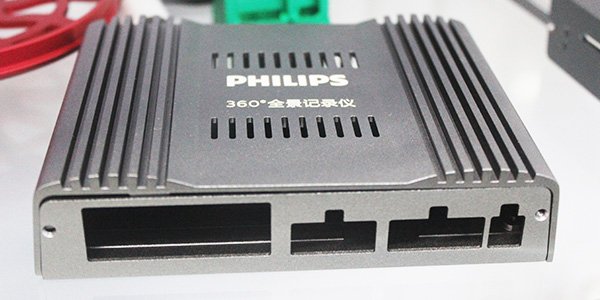
Complex enclosures, heat sinks, and precision components benefit from the accuracy and material versatility of CNC machining.
Industrial Equipment
Custom machinery parts, jigs, and fixtures can be produced quickly to support maintenance, repair, and operational efficiency.
Process Optimization for Speed and Accuracy
To achieve both rapid turnaround and tight tolerances, manufacturers must optimize every stage of the CNC machining process.
Design for Manufacturability (DFM)
Engineers collaborate with customers to refine designs, ensuring they are optimized for CNC machining. This includes considerations such as tool access, feature geometry, and material selection.
Efficient Toolpath Strategies
High-speed machining techniques, adaptive clearing, and optimized cutting parameters reduce machining time while maintaining surface quality.
Automation and Digital Integration
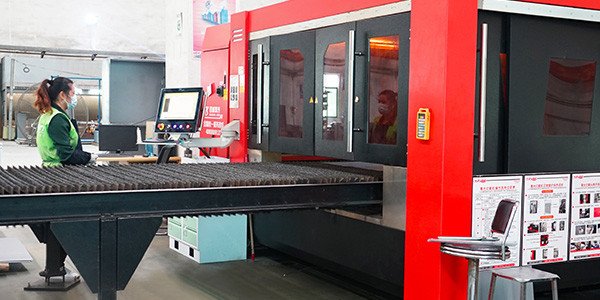
Modern CNC facilities often incorporate automation technologies such as robotic part handling, pallet systems, and real-time monitoring. Integration with CAD/CAM software streamlines the transition from design to production.
Post-Processing and Finishing
Secondary processes such as anodizing, plating, polishing, and heat treatment enhance the performance and appearance of machined parts.
Challenges and Considerations
While rapid CNC machining offers numerous benefits, there are also challenges to consider:
- Complex Geometries: Some intricate features may require multiple setups or specialized tooling.
- Material Costs: High-performance materials can be expensive, especially in small quantities.
- Surface Finish Requirements: Achieving ultra-smooth finishes may require additional processing steps.
- Tolerance Stack-Up: In assemblies, cumulative tolerances must be carefully managed to ensure proper fit and function.
Addressing these challenges requires close collaboration between designers, engineers, and manufacturing teams.
Future Trends in CNC Machining
The evolution of CNC machining continues to enhance its capabilities and efficiency. Key trends include:
- Integration with Additive Manufacturing: Hybrid manufacturing approaches combine CNC machining with 3D printing for greater design freedom.
- Artificial Intelligence and Machine Learning: Predictive maintenance and process optimization improve efficiency and reduce downtime.
- Advanced Materials: The development of new alloys and composites expands the range of applications.
- Sustainability: Efforts to reduce waste, energy consumption, and environmental impact are becoming increasingly important.
Conclusion
Rapid CNC machining low volume manufacturing services with tight tolerances represent a powerful solution for modern manufacturing challenges. By combining speed, precision, and flexibility, this approach enables companies to innovate بسرعة while maintaining the highest quality standards.
Whether for prototyping, bridge production, or specialized components, rapid CNC machining provides a cost-effective and reliable pathway from concept to reality. As technology continues to advance, its role in supporting agile, high-precision manufacturing will only become more significant.
Choose Gazfull CNC Machining Services
At Gazfull, we specialize in providing machining services that go beyond traditional manufacturing. We aim to optimize your processes and reduce production expenses while delivering high-quality results. Our expertise and state-of-the-art 3-axis cutting systems also enable us to handle all your custom needs efficiently and precisely.
For more about rapid CNC machining low volume manufacturing service with tight tolerances, you can pay a visit to Gazfull at https://www.gazfull.com/services/ for more info.