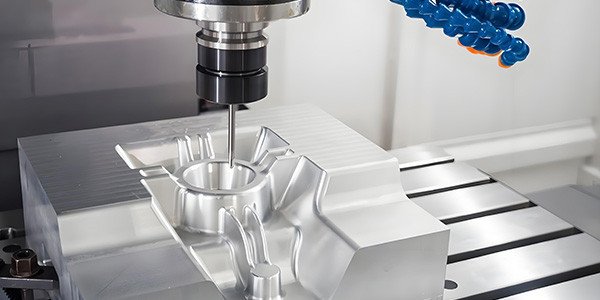
CNC Machining Metal Parts +86-18169936698
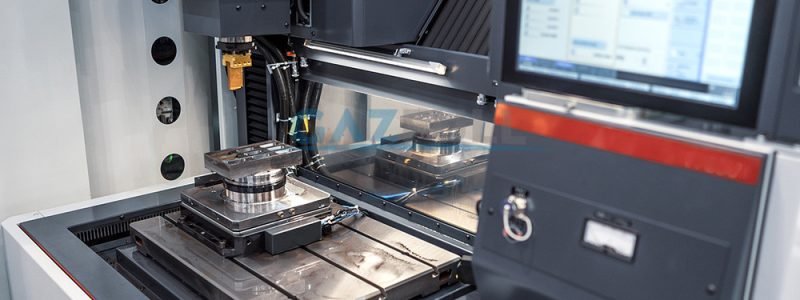
In today’s competitive manufacturing landscape, lightweight design has become a critical engineering priority across industries including automotive, aerospace, electronics, telecommunications, renewable energy, and medical devices. Manufacturers are constantly searching for ways to reduce product weight without sacrificing structural integrity, precision, or cost efficiency.
Among modern fabrication technologies, custom aluminum metal stamping services have emerged as one of the most effective solutions for producing lightweight, durable, and highly accurate metal components.
By combining aluminum’s superior material properties with advanced stamping technologies, manufacturers can create complex lightweight parts with excellent dimensional consistency, fast production speeds, and lower overall manufacturing costs.
This article explores the technical advantages, manufacturing processes, applications, and engineering considerations behind custom aluminum metal stamping for lightweight components.
What Is Custom Aluminum Metal Stamping?
Custom aluminum metal stamping is a precision manufacturing process that transforms aluminum sheet metal into customized shapes and components using specialized tooling, dies, and stamping presses.
The process typically involves:
- Blanking
- Piercing
- Bending
- Forming
- Deep drawing
- Coining
- Embossing
- Progressive die operations
Unlike standard metal fabrication methods, custom stamping allows manufacturers to produce highly engineered parts designed according to specific customer requirements, including:
- Material thickness
- Surface finish
- Tolerance specifications
- Structural geometry
- Functional performance requirements
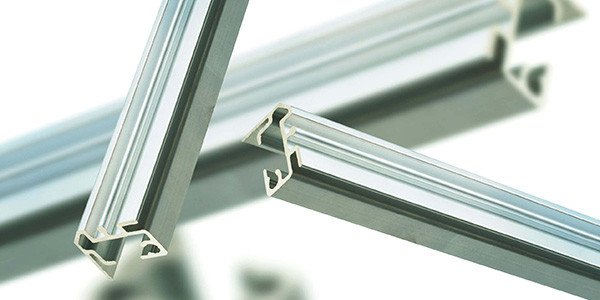
The use of aluminum as the base material significantly enhances lightweight performance while maintaining corrosion resistance, electrical conductivity, and mechanical strength.
Why Aluminum Is the Preferred Material for Lightweight Components
Aluminum has become one of the most widely used engineering metals for lightweight manufacturing applications.
Its popularity is driven by an exceptional balance between weight reduction and functional performance.
1. Excellent Strength-to-Weight Ratio
One of aluminum’s most valuable characteristics is its high strength-to-weight ratio.
Compared with steel, aluminum can reduce component weight by approximately 30–60% while still providing sufficient mechanical strength for many structural applications.
This makes aluminum ideal for:
- Automotive brackets
- Aerospace housings
- Electronic enclosures
- Battery casings
- Heat sinks
- Precision assemblies
Lower component weight often translates directly into improved fuel efficiency, energy savings, and operational performance.
2. Superior Corrosion Resistance
Aluminum naturally develops a protective oxide layer when exposed to air.
This oxide film provides excellent resistance against:
- Moisture
- Chemicals
- Atmospheric oxidation
- Industrial environments
Because of this property, many aluminum stamped components require minimal secondary corrosion protection compared to carbon steel parts.
This advantage reduces both manufacturing cost and maintenance requirements.
3. Excellent Formability
Aluminum alloys offer outstanding forming characteristics.
Many grades can be stamped, bent, stretched, and deep drawn into complex geometries without significant cracking or deformation issues.
This flexibility enables engineers to design lightweight components with:
- Thin walls
- Complex contours
- Functional cutouts
- Tight-radius bends
- Integrated structural features
Complex part geometries can often be produced within a single stamping operation.
4. High Thermal and Electrical Conductivity
Certain aluminum alloys possess excellent thermal and electrical conductivity.
This makes stamped aluminum components highly suitable for:
- Electronic shielding
- Power systems
- Thermal management equipment
- Heat dissipation assemblies
- Battery technology
As electronic systems become smaller and more powerful, aluminum stamping plays an increasingly important role in thermal control design.
Aluminum Alloys Commonly Used in Metal Stamping
Selecting the correct aluminum alloy is essential for achieving desired mechanical performance and manufacturability.
Several aluminum grades are widely used in custom metal stamping projects.
Aluminum 1100
Aluminum 1100 offers excellent corrosion resistance and outstanding formability.
Typical applications include:
- Decorative components
- Chemical equipment
- Food processing parts
- Electrical conductors
Aluminum 3003
This alloy combines good strength with excellent workability.
Common applications include:
- Heat exchangers
- HVAC components
- Appliance panels
- Enclosures
Aluminum 5052
5052 aluminum provides strong corrosion resistance and higher mechanical strength.
It is commonly selected for:
- Marine equipment
- Automotive parts
- Electrical housings
- Industrial panels
Aluminum 6061
6061 is a high-strength aluminum alloy known for its excellent machinability and structural performance.
Typical uses include:
- Aerospace components
- Mechanical structures
- Precision equipment
- Industrial frameworks
Choosing the right alloy depends on several engineering factors including load conditions, environmental exposure, formability requirements, and cost targets.
The Aluminum Metal Stamping Manufacturing Process
Custom aluminum metal stamping involves a carefully controlled production workflow designed to achieve precision, repeatability, and scalability.
Design Engineering and DFM Analysis
Every successful stamping project begins with design engineering.
Manufacturers typically conduct a Design for Manufacturability (DFM) review to optimize:
- Part geometry
- Material selection
- Tooling feasibility
- Tolerance capability
- Production efficiency
DFM analysis helps reduce production risk, tooling cost, and manufacturing defects.
Tooling and Die Development
Tooling is the foundation of precision metal stamping.
Custom dies are designed according to:
- Part complexity
- Production volume
- Material behavior
- Dimensional requirements
Common tooling types include:
- Single-hit dies
- Progressive dies
- Transfer dies
- Compound dies
High-quality tooling directly affects:
- Cycle speed
- Part accuracy
- Surface quality
- Production consistency
Precision Stamping Operations
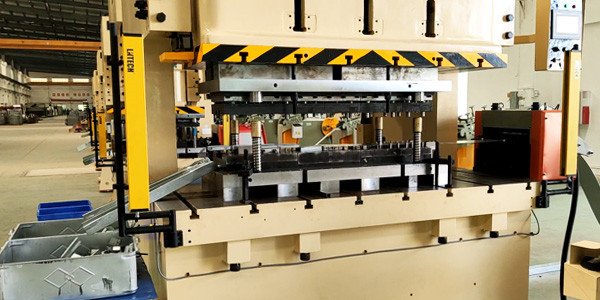
Once tooling is completed, aluminum sheets or coils enter the stamping line.
Press systems apply controlled force to produce the required geometry.
Production equipment may include:
- Mechanical presses
- Hydraulic presses
- Servo presses
Modern stamping systems can deliver:
- High-speed production
- Repeatable accuracy
- Tight tolerance control
- Minimal material waste
Advanced CNC-controlled stamping lines further improve process reliability.
Secondary Processing and Surface Finishing
Depending on customer specifications, stamped components may undergo secondary operations.
These can include:
- Deburring
- Tapping
- Welding
- Assembly
- Machining
- Laser cutting
Surface finishing options often include:
- Anodizing
- Powder coating
- Brushing
- Polishing
- Electroplating
These treatments improve corrosion resistance, appearance, and functional performance.
Key Advantages of Custom Aluminum Metal Stamping Services
Manufacturers increasingly prefer custom aluminum stamping because it combines engineering flexibility with cost-effective mass production.
Lightweight Product Design
Weight reduction remains the primary advantage.
Lighter components can improve:
- Fuel economy
- Transportation efficiency
- Battery performance
- Product portability
- Energy consumption
This benefit is especially important in electric vehicles, aerospace systems, and portable electronics.
High Precision and Repeatability
Modern stamping technology supports tight tolerances and repeatable production quality.
This is essential for industries requiring:
- Dimensional accuracy
- Assembly compatibility
- Functional reliability
- Strict quality compliance
Precision stamping minimizes variation across large production runs.
Cost-Effective High-Volume Manufacturing
Once tooling is established, metal stamping becomes highly economical for medium and high-volume production.
Advantages include:
- Reduced labor costs
- Fast cycle times
- Lower material waste
- Automated production capability
For large-scale manufacturing, aluminum stamping often delivers a superior cost-per-part advantage.
Complex Geometry Capability
Advanced tooling enables highly intricate part designs.
Manufacturers can produce:
- Multi-feature parts
- Thin-wall components
- Structural reinforcements
- Complex bends
- Functional perforations
This design freedom supports innovative lightweight engineering solutions.
Applications of Custom Aluminum Stamped Components
Custom aluminum metal stamping serves numerous industries that demand lightweight, corrosion-resistant, and high-performance components.
Automotive Industry
The automotive sector aggressively pursues lightweight materials to meet fuel economy and emissions targets.
Stamped aluminum parts are commonly used for:
- Mounting brackets
- Structural reinforcements
- Battery enclosures
- Heat shields
- Body panels
- Electronic housings
Electric vehicle manufacturers especially rely on aluminum components to maximize battery efficiency.
Aerospace Industry
Aircraft design depends heavily on lightweight materials.
Custom aluminum stamped components help reduce aircraft weight while maintaining performance and safety.
Applications include:
- Airframe assemblies
- Interior structures
- Equipment brackets
- Thermal components
- Shielding systems
High precision and weight reduction are essential in aerospace manufacturing.
Electronics and Telecommunications
Miniaturized electronic products require compact and thermally efficient metal components.
Aluminum stamping supports:
- EMI shielding
- Heat sinks
- Chassis structures
- Device housings
- Connector components
The material’s conductivity and formability make it highly suitable for advanced electronics manufacturing.
Renewable Energy Equipment
Renewable energy systems increasingly use lightweight aluminum components.
Applications include:
- Solar panel hardware
- Energy storage systems
- Power control enclosures
- Cooling assemblies
- Structural mounting systems
Corrosion resistance is especially valuable for outdoor installations.
Medical Device Manufacturing
Medical equipment manufacturers demand precision, cleanliness, and lightweight performance.
Stamped aluminum components can be found in:
- Diagnostic equipment
- Medical housings
- Instrument supports
- Portable devices
Strict dimensional accuracy and high-quality finishing are critical in this sector.
Quality Control in Aluminum Metal Stamping
Quality assurance plays a vital role in precision aluminum component production.
Professional manufacturers implement rigorous inspection systems including:
- Incoming material verification
- In-process monitoring
- First article inspection
- Dimensional measurement
- Surface evaluation
- Final quality validation
Advanced inspection technologies may include:
- Coordinate Measuring Machines (CMM)
- Optical inspection systems
- Laser measurement tools
- Statistical process control (SPC)
Comprehensive quality management ensures consistent compliance with customer specifications.
Choosing the Right Custom Aluminum Metal Stamping Partner
Selecting an experienced manufacturing partner is essential for project success.
When evaluating suppliers, buyers should consider:
Engineering Expertise
A capable supplier should provide strong engineering support, including:
- DFM optimization
- Material consultation
- Tooling design
- Process improvement
Manufacturing Capacity
Production capability should align with your project requirements.
Key considerations include:
- Press tonnage range
- Tooling capabilities
- Automation systems
- Production scalability
Quality Certifications
Reliable manufacturers often maintain internationally recognized certifications such as:
- ISO 9001
- IATF 16949
- AS9100
These certifications demonstrate structured quality management practices.
Customization Capability
Every lightweight component project has unique requirements.
A strong supplier should offer flexible customization for:
- Materials
- Tolerances
- Surface finishes
- Packaging
- Production volumes
Conclusion
As industries continue pursuing lightweight, high-performance engineering solutions, custom aluminum metal stamping services are becoming increasingly important in modern manufacturing.
By combining aluminum’s exceptional material properties with precision stamping technology, manufacturers can produce lightweight components that deliver superior performance, dimensional accuracy, corrosion resistance, and cost efficiency.
Whether serving automotive, aerospace, electronics, renewable energy, or medical applications, custom aluminum stamped parts offer a scalable solution for today’s demanding product designs.
For companies seeking reliable lightweight component manufacturing, partnering with an experienced aluminum metal stamping supplier can provide the technical expertise, precision production capabilities, and customized engineering support needed to succeed in competitive global markets.
Choose Gazfull Custom Metal Stamping Service
At Gazfull, we specialize in providing machining services that go beyond traditional manufacturing. We aim to optimize your processes and reduce production expenses while delivering high-quality results. Our expertise and state-of-the-art 3-axis cutting systems also enable us to handle all your custom needs efficiently and precisely.
For more about custom aluminum metal stamping services for lightweight components, you can pay a visit to Gazfull at https://www.gazfull.com/services/ for more info.