CNC Machining Metal Parts +86-18169936698
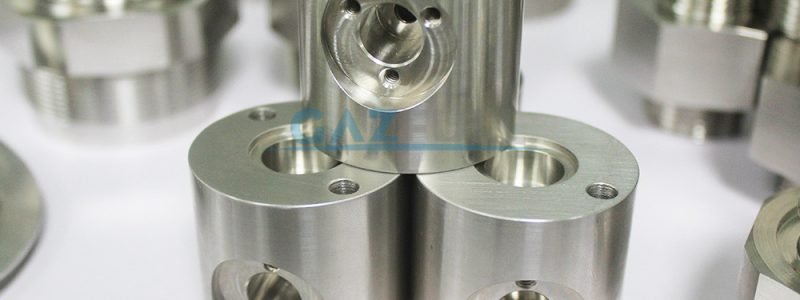
In modern manufacturing, industrial equipment manufacturers require components that combine precision, durability, lightweight performance, and cost efficiency. As automation, robotics, semiconductor processing, medical devices, packaging systems, and energy equipment continue evolving, the demand for custom aluminum high volume CNC machining for industrial equipment parts has grown significantly.
High-volume CNC machining using aluminum materials provides manufacturers with an ideal solution for producing complex, repeatable, and high-accuracy components while maintaining production scalability and operational efficiency. From precision brackets and housings to structural frames, manifolds, heat sinks, and machine assemblies, aluminum CNC parts play a critical role across multiple industrial sectors.
This article explores the advantages, machining processes, material considerations, and industrial applications of custom aluminum high-volume CNC machining.
Why Aluminum is Preferred for Industrial Equipment Parts
Aluminum has become one of the most widely used engineering materials in industrial manufacturing due to its balanced mechanical and physical properties. Compared with steel, cast iron, and other metals, aluminum offers distinct benefits for CNC-machined industrial components.
Excellent Strength-to-Weight Ratio
Industrial equipment often requires parts that maintain structural integrity without adding excessive weight. Aluminum delivers high mechanical strength while remaining considerably lighter than steel.
For applications such as robotic arms, automation systems, machine frames, inspection devices, and transport equipment, reduced component weight contributes to:
- Improved equipment mobility
- Faster operational movement
- Lower energy consumption
- Reduced mechanical load
All of these factors enhance machine performance and operational efficiency.
Superior Machinability
One of aluminum’s greatest advantages is its excellent machinability. Aluminum alloys generally allow:
- Faster cutting speeds
- Reduced machining resistance
- Improved chip evacuation
- Lower tool wear
- Shorter production cycles
For high-volume CNC machining projects, improved machinability directly translates into lower manufacturing costs and higher productivity.
Manufacturers can achieve tighter tolerances and superior surface finishes while maintaining consistent production throughput.
Corrosion Resistance
Industrial equipment often operates in demanding environments involving moisture, chemicals, humidity, or temperature fluctuations.
Aluminum naturally forms a protective oxide layer that enhances corrosion resistance. Additional treatments such as anodizing, powder coating, chromate conversion, or hard coating further improve environmental durability.
This makes aluminum ideal for:
- Food processing machinery
- Pharmaceutical equipment
- Chemical handling systems
- Cleanroom devices
- Outdoor industrial machinery
Thermal Conductivity
Many industrial systems require efficient thermal management. Aluminum’s excellent thermal conductivity makes it suitable for components including:
- Heat sinks
- Cooling plates
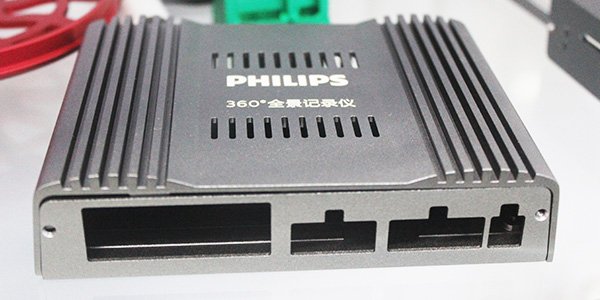
- Electronic enclosures
- Thermal management modules
- Power equipment housings
Efficient heat dissipation helps maintain equipment reliability and prolong component lifespan.
Understanding High Volume CNC Machining
High-volume CNC machining refers to the production of large quantities of precision components through automated computer-controlled manufacturing processes.
Unlike prototype machining or low-volume production, high-volume manufacturing emphasizes:
- Repeatability
- Process stability
- Cost optimization
- Production efficiency
- Quality consistency
Industrial equipment manufacturers frequently require thousands, tens of thousands, or even hundreds of thousands of identical machined components. CNC machining provides the precision and scalability needed to meet these demands.
Modern CNC production environments integrate advanced technologies such as:
- Multi-axis machining centers
- Automated tool changers
- Robotic loading systems
- In-process inspection
- Digital quality monitoring
- Lean production systems
These technologies support efficient mass production while maintaining tight dimensional accuracy.
CNC Machining Processes Used for Aluminum Industrial Components
Producing custom aluminum industrial parts often involves multiple machining operations depending on geometry, functionality, and tolerance requirements.
CNC Milling
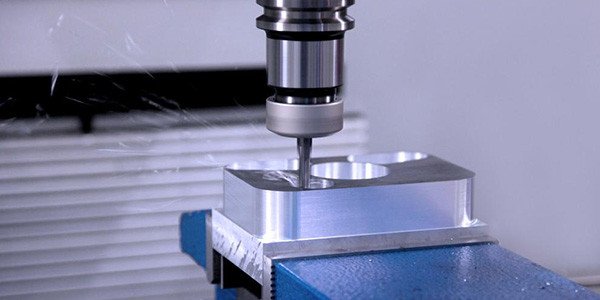
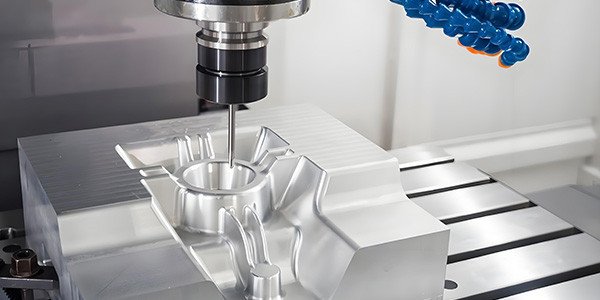
CNC milling is one of the most common manufacturing methods for industrial aluminum parts.
This process uses rotating cutting tools to remove material from solid aluminum stock.
CNC milling supports the production of features such as:
- Pockets
- Slots
- Threads
- Channels
- Mounting surfaces
- Precision contours
- Complex geometries
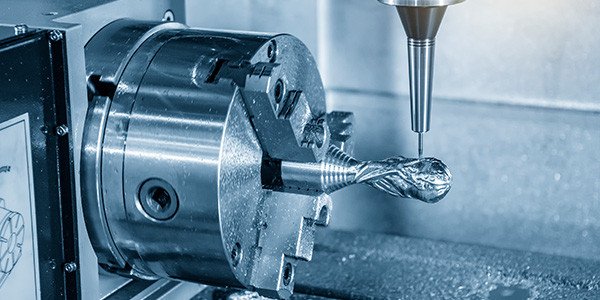
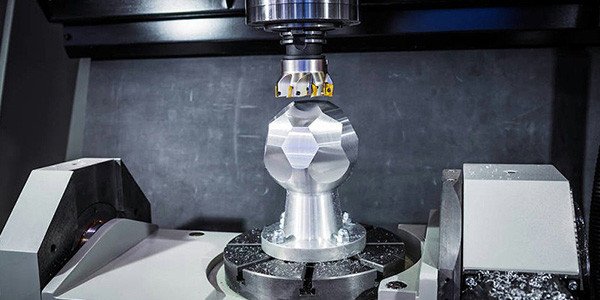
Three-axis, four-axis, and five-axis machining centers provide flexibility for manufacturing intricate industrial components.
Five-axis CNC machining is particularly useful for complex parts requiring multi-surface machining without repeated repositioning.
CNC Turning
Rotationally symmetric components are often produced through CNC turning.
Typical aluminum turned parts include:
- Shafts
- Bushings
- Connectors
- Adapters
- Sleeves
- Valve bodies
- Precision cylindrical components
Modern CNC turning centers frequently combine milling capabilities, enabling multi-process machining within a single setup.
This reduces production time and improves dimensional consistency.
Drilling and Threading Operations
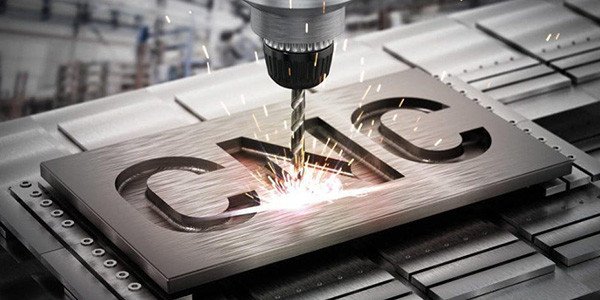
Industrial equipment parts commonly require precision holes, internal threads, and assembly features.
Advanced CNC systems perform:
- Deep-hole drilling
- Tapping
- Reaming
- Counterboring
- Countersinking
- Thread milling
These processes ensure proper assembly compatibility and functional performance.
Surface Finishing
Surface treatment plays an important role in improving appearance, corrosion resistance, wear performance, and product durability.
Common finishing options for aluminum CNC parts include:
- Clear anodizing
- Color anodizing
- Hard anodizing
- Powder coating
- Sandblasting
- Brushing
- Polishing
- Chemical conversion coating
Selecting the appropriate finish depends on application requirements and environmental conditions.
Popular Aluminum Grades for CNC Industrial Parts
Different aluminum alloys provide unique performance characteristics for industrial applications.
Aluminum 6061
6061 aluminum is one of the most popular CNC machining materials.
Key advantages include:
- Excellent machinability
- Good corrosion resistance
- Strong mechanical properties
- Versatile performance
- Good weldability
6061 is widely used for:
- Automation components
- Equipment housings
- Structural brackets
- Machine frames
- Electronic enclosures
Aluminum 7075
7075 aluminum provides significantly higher strength than many standard aluminum alloys.
This material is suitable for demanding industrial applications requiring superior mechanical performance.
Common applications include:
- High-load machine components
- Aerospace equipment
- Precision fixtures
- Structural mechanical assemblies
Aluminum 5052
5052 offers excellent corrosion resistance and formability.
Industries often select this alloy for environments involving chemical exposure or moisture.
Typical uses include:
- Protective covers
- Fluid handling components
- Industrial panels
- Marine equipment parts
Choosing the proper alloy is essential for balancing strength, machinability, corrosion resistance, and cost objectives.
Importance of Precision Tolerances in Industrial Equipment Manufacturing
Industrial machinery depends heavily on dimensional accuracy.
Even minor deviations can negatively affect:
- Equipment alignment
- Mechanical performance
- Motion accuracy
- Assembly reliability
- Product quality
Custom CNC machining enables manufacturers to achieve tight tolerances tailored to specific application requirements.
Precision machining capabilities commonly include:
- ±0.005 mm critical tolerances
- Controlled flatness
- Accurate concentricity
- Surface profile precision
- Repeatable dimensional consistency
High-volume production requires maintaining these tolerances across every production batch.
Process control methods such as Statistical Process Control (SPC), Coordinate Measuring Machine (CMM) inspection, and automated quality verification help ensure consistency.
Benefits of High Volume CNC Machining for Industrial Equipment Manufacturers
Industrial manufacturers increasingly choose high-volume CNC machining because it offers substantial business and operational advantages.
Consistent Quality Across Large Production Runs
Consistency is essential in industrial manufacturing.
CNC machining uses programmed instructions to reproduce identical machining operations repeatedly.
This minimizes variability and supports stable product quality across large production quantities.
Reduced Production Costs
Although CNC systems require advanced equipment investment, high-volume production significantly lowers per-unit manufacturing costs.
Cost reductions result from:
- Faster machining cycles
- Process automation
- Reduced labor requirements
- Material efficiency
- Optimized tooling strategies
These efficiencies improve profitability for industrial equipment OEMs and suppliers.
Faster Time to Market
Speed is increasingly important in competitive industrial sectors.
High-volume CNC machining supports rapid production scaling without sacrificing quality.
Manufacturers can accelerate:
- Product launches
- Equipment assembly schedules
- Supply chain responsiveness
- Customer delivery timelines
Shorter lead times improve competitive advantage.
Design Flexibility
Unlike some traditional manufacturing methods, CNC machining accommodates design changes more easily.
Engineers can modify CAD models and machining programs without requiring extensive tooling redesign.
This flexibility supports:
- Product upgrades
- Engineering revisions
- Custom equipment development
- Industry-specific customization
Applications of Custom Aluminum CNC Parts in Industrial Equipment
Custom aluminum CNC machining supports a wide range of industrial applications.
Automation and Robotics
Modern automation systems depend on precision-machined aluminum components.
Common examples include:
- Robotic arm assemblies
- Sensor brackets
- Motion control housings
- End-effectors
- Positioning systems
Lightweight aluminum construction contributes to faster robotic performance and reduced actuator loads.
Semiconductor Equipment
Semiconductor manufacturing requires extremely precise and clean components.
Aluminum CNC parts are commonly used for:
- Vacuum chamber assemblies
- Cleanroom fixtures
- Wafer handling systems
- Precision support structures
- Thermal management modules
High dimensional precision is critical in these applications.
Packaging Machinery
Packaging equipment operates under demanding production conditions requiring reliable mechanical performance.
Typical machined aluminum components include:
- Conveyor elements
- Mechanical brackets
- Machine frames
- Filling system parts
- Precision guide assemblies
Medical Equipment Manufacturing
Medical machinery manufacturers frequently use CNC-machined aluminum parts for devices requiring precision, cleanliness, and reliability.
Applications include:
- Diagnostic equipment
- Laboratory systems
- Imaging devices
- Surgical technology components
Precision manufacturing supports compliance with strict quality standards.
Energy and Electrical Equipment
Energy infrastructure and electrical systems often incorporate aluminum CNC components.
Examples include:
- Heat dissipation assemblies
- Electrical enclosures
- Cooling structures
- Power system housings
- Renewable energy equipment parts
Thermal conductivity and corrosion resistance make aluminum highly suitable for these environments.
Choosing the Right CNC Machining Partner
Selecting an experienced CNC machining supplier is essential for successful industrial manufacturing projects.
A qualified manufacturing partner should provide:
- Advanced multi-axis machining capabilities
- High-volume production expertise
- Material engineering knowledge
- Robust quality management systems
- Inspection and traceability support
- Flexible production scheduling
Manufacturers should also evaluate supplier capabilities in secondary processing, finishing services, engineering support, and logistics coordination.
Strong supplier partnerships contribute to stable production performance and long-term supply chain reliability.
Conclusion
Custom aluminum high-volume CNC machining has become a cornerstone technology in industrial equipment manufacturing. By combining aluminum’s lightweight strength, corrosion resistance, thermal performance, and machinability with the precision and scalability of CNC production, manufacturers can achieve exceptional component quality and manufacturing efficiency.
From automation systems and semiconductor equipment to medical devices and energy infrastructure, CNC-machined aluminum parts support critical industrial innovation across global markets.
As industrial technologies continue advancing, the demand for precision-engineered, high-volume aluminum components will only continue to grow. Companies that leverage advanced CNC machining capabilities gain a powerful advantage in product performance, production efficiency, and market competitiveness.
Choose Gazfull CNC Machining for High Volume Machining
At Gazfull, we specialize in providing machining services that go beyond traditional manufacturing. We aim to optimize your processes and reduce production expenses while delivering high-quality results. Our expertise and state-of-the-art 3-axis cutting systems also enable us to handle all your custom needs efficiently and precisely.
For more about custom aluminum high volume CNC machining for industrial equipment parts, you can pay a visit to Gazfull at https://www.gazfull.com/services/ for more info.