CNC Machining Metal Parts +86-18169936698

In modern manufacturing, precision, repeatability, and material performance are no longer optional—they are fundamental requirements. Industries such as aerospace, medical, and automotive rely heavily on components that must meet extremely tight tolerances, withstand harsh environments, and perform reliably over long service lifecycles. Custom CNC metal parts machining services have become a cornerstone technology enabling these demands.
Computer Numerical Control (CNC) machining provides a highly accurate and efficient method for producing complex metal components from a wide range of engineering materials. Whether it is a lightweight titanium aerospace bracket, a surgical-grade stainless steel implant, or a high-strength automotive transmission component, CNC machining ensures consistency, precision, and scalability.
This article explores how custom CNC machining services support these three critical industries, the technologies involved, material considerations, and the benefits of partnering with a professional CNC machining supplier.
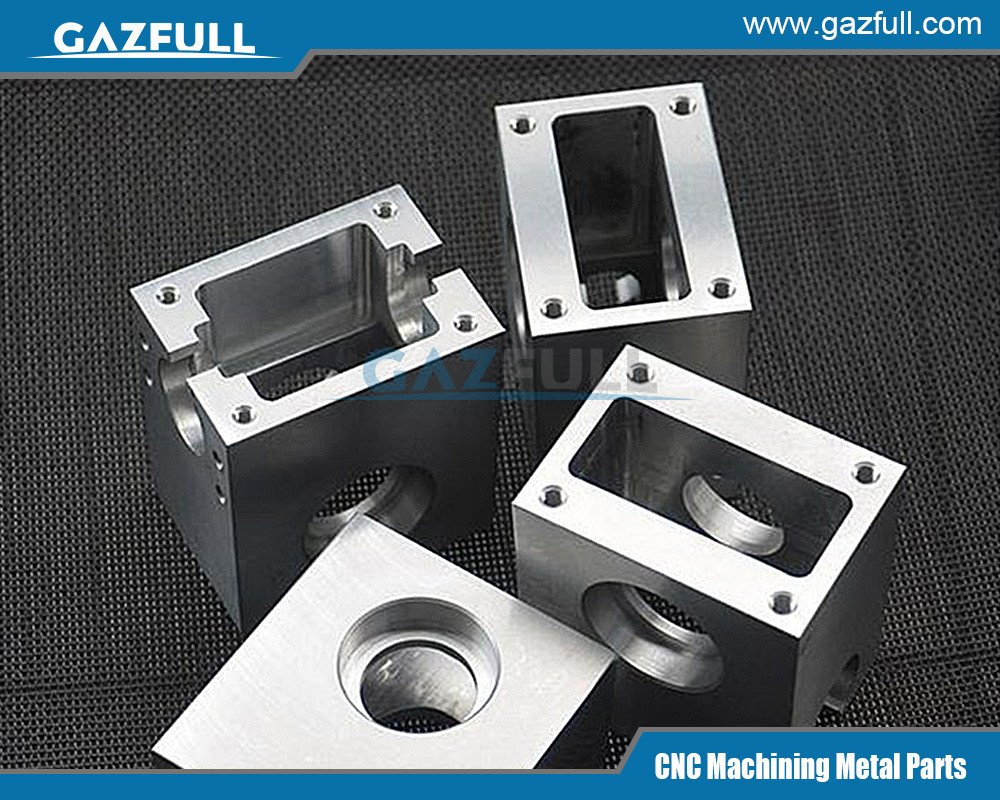
1. What Are Custom CNC Metal Parts Machining Services?
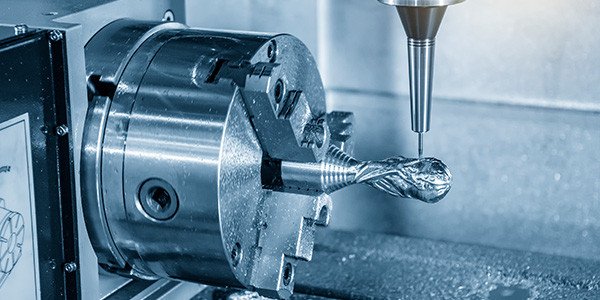
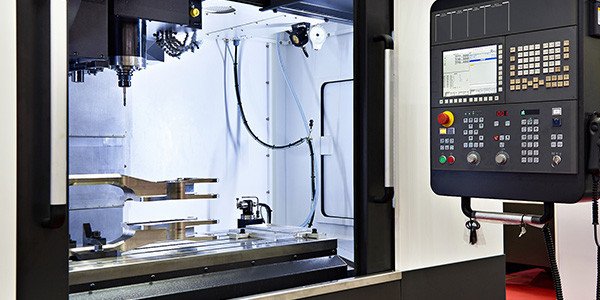
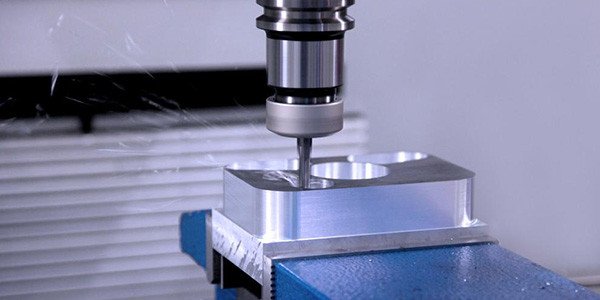
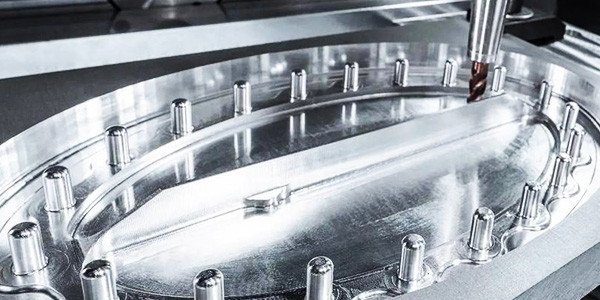
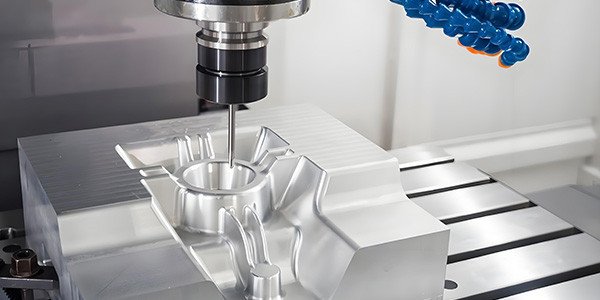
Custom CNC machining service refers to the process of using computer-controlled machines to remove material from a solid block (metal or alloy) to create a finished part based on a digital CAD design. Unlike traditional manual machining, CNC systems follow programmed instructions with extreme precision, allowing for repeatable production of highly complex geometries.
Typical CNC machining processes include:
- CNC milling
- CNC turning (lathe work)
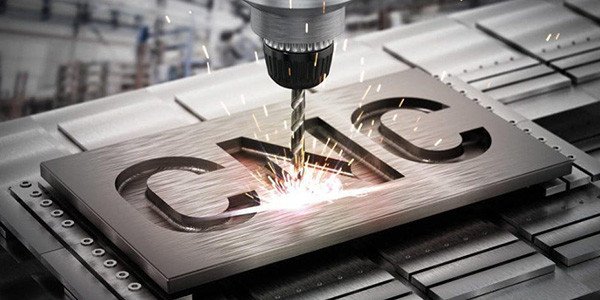
- CNC drilling
- CNC grinding
- Multi-axis machining (3-axis, 4-axis, and 5-axis systems)
Custom machining services go beyond standard part production by offering:
- Tailored design optimization
- Material selection guidance
- Prototype development
- Low-to-high volume production scaling
- Tight tolerance manufacturing (often ±0.005 mm or better)
These capabilities make CNC machining indispensable for industries where performance and safety are critical.
2. CNC Machining in the Aerospace Industry
The aerospace industry is one of the most demanding sectors for precision engineering. Components must endure extreme temperatures, pressure fluctuations, vibration, and long-term fatigue stress while maintaining structural integrity.
2.1 Key Aerospace Components
Custom CNC machining is widely used to produce:
- Aircraft structural brackets and frames
- Engine components (turbine housings, blades, shafts)
- Landing gear assemblies
- Fuel system components
- Avionics housings and connectors
These parts often require complex geometries that are only achievable through multi-axis CNC machining systems.
2.2 Materials Used in Aerospace CNC Machining
Aerospace materials must provide high strength-to-weight ratios and corrosion resistance. Common materials include:
- Titanium alloys (e.g., Ti-6Al-4V)
- Aluminum alloys (7075, 6061)
- Inconel and other nickel-based superalloys
- Stainless steels (17-4PH, 316L)
Titanium and Inconel are particularly challenging to machine due to their hardness and heat resistance, requiring advanced tooling and optimized cutting parameters.
2.3 Aerospace Manufacturing Requirements
Aerospace CNC machining services must comply with strict standards such as:
- AS9100 quality management systems
- Full traceability of materials
- Non-destructive testing (NDT)
- High-precision inspection using CMM (Coordinate Measuring Machines)
Even minor deviations can result in significant performance risks, making quality assurance critical.
3. CNC Machining in the Medical Industry
Medical manufacturing requires extreme precision, biocompatibility, and cleanliness. CNC machining plays a key role in producing both surgical instruments and implantable devices.
3.1 Medical CNC Machined Components
Typical applications include:
- Orthopedic implants (hip joints, knee replacements, bone plates)
- Dental implants and abutments
- Surgical instruments (scalpels, forceps, clamps)
- Endoscopic device components
- Diagnostic equipment housings
These components often involve intricate micro-features and polished surfaces to ensure safety and performance.
3.2 Materials for Medical CNC Parts
Material selection is critical due to direct or indirect human contact. Common materials include:
- Surgical stainless steel (316L)
- Titanium and titanium alloys
- Cobalt-chrome alloys
- Medical-grade polymers (PEEK, UHMWPE in hybrid machining)
316L stainless steel is widely used due to its excellent corrosion resistance and biocompatibility.
3.3 Medical Industry Standards
Medical CNC machining services must comply with:
- ISO 13485 medical device quality management
- FDA regulatory requirements (for US markets)
- Cleanroom manufacturing environments (in some cases)
- Surface finishing requirements such as electropolishing or passivation
Precision is not just a performance requirement—it directly affects patient safety and outcomes.
4. CNC Machining in the Automotive Industry
The automotive industry demands high-volume production, cost efficiency, and consistent quality. CNC machining is widely used for both prototyping and production of performance-critical components.
4.1 Automotive CNC Machined Parts
Common applications include:
- Engine components (pistons, cylinder heads, crankshafts)
- Transmission parts (gears, shafts, housings)
- Suspension components
- Brake system parts
- Custom performance and motorsport components
Electric vehicles (EVs) have further increased demand for precision-machined aluminum housings, battery system components, and thermal management parts.
4.2 Materials in Automotive CNC Machining
Automotive parts must balance strength, weight, and cost. Common materials include:
- Aluminum alloys (6061, 7075)
- Carbon steel and alloy steel
- Magnesium alloys (lightweight applications)
- Stainless steel for corrosion resistance
Aluminum is especially dominant in EV manufacturing due to its lightweight and thermal conductivity properties.
4.3 Automotive Manufacturing Advantages
CNC machining provides several benefits for automotive production:
- Rapid prototyping for design validation
- High repeatability for mass production
- Reduced tooling costs compared to casting or forging
- Flexible customization for performance tuning
This flexibility is essential for both OEM manufacturers and aftermarket performance industries.
5. Advanced CNC Technologies Used in Custom Machining
Modern CNC machining services rely on advanced technologies to meet increasing precision and complexity requirements.
5.1 Multi-Axis Machining (4-Axis and 5-Axis)
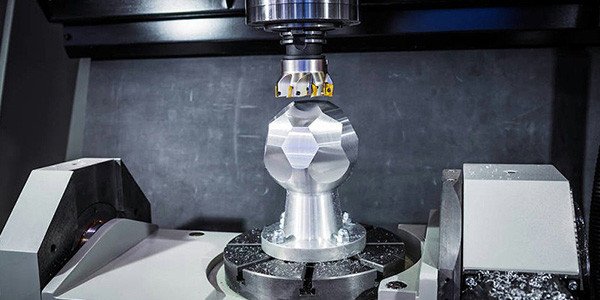
5-axis CNC machines allow simultaneous movement along multiple axes, enabling:
- Complex geometry machining in a single setup
- Reduced production time
- Higher accuracy due to fewer repositioning errors
This is particularly important for aerospace and medical components with intricate shapes.
5.2 CAD/CAM Integration
Computer-Aided Design (CAD) and Computer-Aided Manufacturing (CAM) systems allow seamless translation of engineering models into machining instructions. Benefits include:
- Reduced human error
- Faster production cycles
- Simulation of machining processes before actual production
5.3 High-Speed Machining
High-speed CNC machining improves surface finish and reduces production time, especially for aluminum and lightweight alloys.
5.4 Precision Inspection Systems
Quality control is supported by:
- CMM inspection
- Laser scanning
- Optical measurement systems
These ensure every part meets strict dimensional tolerances.
6. Benefits of Custom CNC Machining Services
Across aerospace, medical, and automotive industries, CNC machining offers several key advantages:
6.1 High Precision and Accuracy
CNC machining achieves extremely tight tolerances, essential for critical applications where even micrometer-level errors matter.
6.2 Material Flexibility
From soft aluminum to hardened steel and exotic alloys, CNC machining supports a wide range of engineering materials.
6.3 Scalability
Whether producing a single prototype or thousands of production units, CNC machining scales efficiently.
6.4 Reduced Lead Time
Digital programming and automation reduce setup time and accelerate production cycles.
6.5 Cost Efficiency in Complex Parts
For complex geometries, CNC machining is often more cost-effective than casting or forging due to reduced tooling requirements.
7. Challenges in CNC Machining for High-End Industries
Despite its advantages, CNC machining also faces challenges:
- High tool wear when machining hard alloys like Inconel or titanium
- Requirement for skilled programming and engineering expertise
- High initial equipment investment
- Thermal deformation affecting precision during long machining cycles
These challenges are typically addressed through advanced tooling, optimized cutting strategies, and experienced machining engineers.
8. Future Trends in CNC Machining
The CNC machining industry continues to evolve with new technologies:
- Integration with AI-driven process optimization
- Increased use of automation and robotic loading systems
- Hybrid manufacturing (CNC + additive manufacturing)
- Digital twin simulation for predictive machining
- Greater adoption of smart factories (Industry 4.0)
These advancements will further improve efficiency, precision, and customization capabilities.
Conclusion
Custom CNC metal parts machining services play a vital role in supporting the aerospace, medical, and automotive industries. Each sector demands unique combinations of precision, material performance, and manufacturing reliability. CNC technology provides the flexibility and accuracy required to meet these challenges while enabling innovation and scalability.
From aircraft engines and surgical implants to automotive performance components, CNC machining continues to be the backbone of modern precision manufacturing. As technology advances, its role will only become more critical in shaping the future of industrial production.
Choose Gazfull Custom CNC Metal Parts Machining Service
At Gazfull, we specialize in providing machining services that go beyond traditional manufacturing. We aim to optimize your processes and reduce production expenses while delivering high-quality results. Our expertise and state-of-the-art 3-axis cutting systems also enable us to handle all your custom needs efficiently and precisely.
For more about custom CNC metal parts machining service: precision, processes, and performance, you can pay a visit to Gazfull at https://www.gazfull.com/services/ for more info.