CNC Machining Metal Parts +86-18169936698

Introduction
Aluminum custom die casting services have become an essential manufacturing solution for industries that demand lightweight, durable, and precision-engineered metal components. From automotive and aerospace to electronics, telecommunications, medical equipment, and industrial automation, aluminum die casting provides manufacturers with an efficient way to produce complex parts with high dimensional accuracy and excellent repeatability.
As global industries continue to pursue lightweight materials, corrosion resistance, and cost-effective mass production, aluminum die casting has gained even greater importance. However, the casting process itself is only one part of the manufacturing chain. Surface treatment options play a critical role in enhancing the performance, durability, appearance, and functionality of die-cast aluminum components.
This article explores the fundamentals of aluminum custom die casting services, the advantages of aluminum alloys, key manufacturing processes, and the most widely used surface treatment technologies available for modern industrial applications.
What Is Aluminum Die Casting?
Aluminum die casting is a high-pressure metal casting process in which molten aluminum alloy is injected into a hardened steel mold cavity, commonly known as a die. The molten metal rapidly fills the mold under high pressure and solidifies into the desired shape. After cooling, the finished casting is ejected from the die for further processing and finishing.
Custom aluminum die casting refers to the production of specialized components tailored to customer-specific dimensions, tolerances, mechanical properties, and functional requirements. Unlike standard catalog parts, custom die-cast products are designed for unique industrial applications.
The process is widely recognized for its ability to manufacture:
- Complex geometries
- Thin-wall structures
- High-volume production parts
- Lightweight components
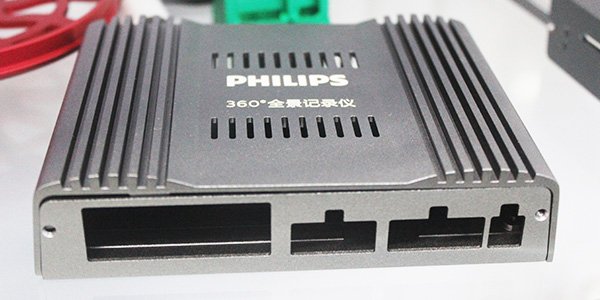
- Precision metal housings
- Heat dissipation products
- Decorative and structural parts
Because aluminum combines excellent mechanical properties with low density, it has become one of the most commonly used materials in die casting operations worldwide.
Advantages of Aluminum Die Casting
1. Lightweight and High Strength
Aluminum has a much lower density than steel or brass, making it ideal for applications where weight reduction is critical. Despite its lightweight characteristics, aluminum alloys still provide strong mechanical performance and excellent structural integrity.
Industries such as automotive and aerospace increasingly rely on aluminum die casting to reduce overall product weight and improve fuel efficiency or energy performance.
2. Excellent Corrosion Resistance
Aluminum naturally forms a protective oxide layer when exposed to air, which helps resist corrosion and environmental degradation. Additional surface treatments can further improve protection against moisture, chemicals, and salt spray exposure.
3. High Thermal Conductivity
Aluminum alloys offer excellent heat dissipation properties, making them suitable for:
- LED lighting housings
- Heat sinks
- Electronic enclosures
- Power supply systems
- Telecommunications equipment
Efficient thermal management is particularly important in high-performance electronic devices.
4. Superior Electrical Conductivity
Many aluminum alloys also provide good electrical conductivity, enabling their use in electronic and electrical system components.
5. Excellent Dimensional Accuracy
High-pressure die casting enables manufacturers to achieve tight tolerances and consistent part dimensions. This reduces the need for secondary machining and lowers overall production costs.
6. Cost-Effective Mass Production
Once the tooling is developed, aluminum die casting allows rapid production of large quantities of components with minimal variation. This makes it highly economical for medium-to-high-volume manufacturing projects.
Common Aluminum Alloys Used in Die Casting
Different aluminum alloys are selected depending on the mechanical, thermal, and corrosion-resistance requirements of the application.
ADC12
ADC12 is one of the most widely used aluminum die casting alloys due to its excellent castability, strength, and machining performance. It is commonly used for automotive and electronic components.
A380
A380 aluminum alloy offers a good balance of mechanical strength, corrosion resistance, and fluidity. It is widely used in industrial and consumer products.
A360
A360 provides improved corrosion resistance and higher pressure tightness compared to some other alloys, making it suitable for demanding applications.
AlSi10Mg
This alloy delivers excellent thermal conductivity and is frequently used in heat-sensitive applications.
Material selection is a critical step in custom die casting projects because it directly affects product performance, durability, and manufacturability.
Aluminum Custom Die Casting Manufacturing Process
Product Design and Engineering
The first stage involves product design, CAD modeling, and engineering analysis. Manufacturers evaluate:
- Wall thickness
- Draft angles
- Flow characteristics
- Structural strength
- Mold feasibility
- Tolerance requirements
Design optimization helps reduce defects and improve production efficiency.
Mold Design and Tooling
The die or mold is manufactured from hardened tool steel. High-quality tooling is essential for ensuring long mold life and stable production quality.
Advanced mold designs may include:
- Cooling channels
- Vacuum systems
- Multi-cavity configurations
- Automated ejection systems
Melting and Injection
The aluminum alloy is melted in a furnace and injected into the die cavity under high pressure. The rapid injection ensures complete mold filling, even for complex shapes and thin-wall components.
Cooling and Solidification
After filling, the molten aluminum cools rapidly and solidifies inside the mold cavity. Cooling time depends on part geometry and alloy type.
Ejection and Trimming
The solidified casting is removed from the die, and excess material such as flash, runners, and gates is trimmed away.
Secondary Machining
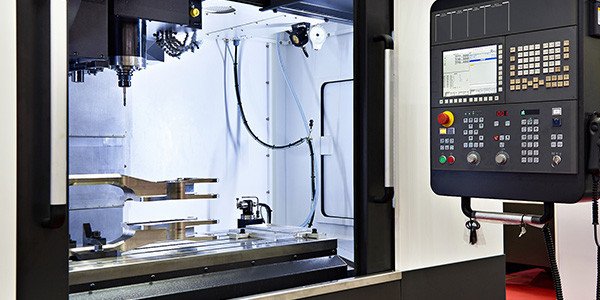
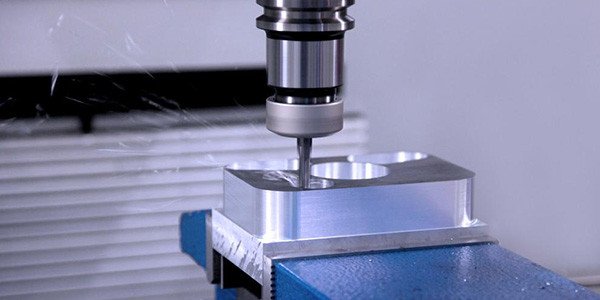
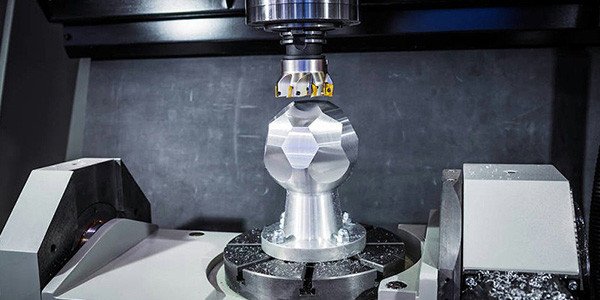
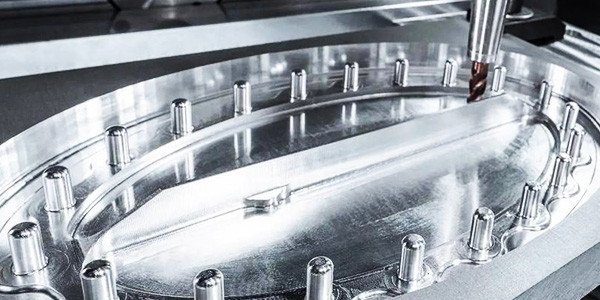
Some components require additional CNC machining, drilling, tapping, or milling operations to achieve final specifications.
Surface Treatment and Finishing
Surface treatment processes are applied to improve corrosion resistance, appearance, wear resistance, and product functionality.
Importance of Surface Treatment for Aluminum Die Cast Parts
Although aluminum already offers good natural corrosion resistance, surface treatment significantly enhances product performance and visual quality.
Surface treatment options can provide:
- Improved corrosion protection
- Better wear resistance
- Enhanced hardness
- Decorative appearance
- Electrical insulation
- Improved paint adhesion
- Chemical resistance
- UV resistance
The selection of surface finishing depends on the application environment, industry standards, and customer requirements.
Common Surface Treatment Options for Aluminum Die Casting
Powder Coating
Powder coating is one of the most popular finishing methods for aluminum die-cast products.
In this process, dry powder is electrostatically applied to the metal surface and cured under heat to form a durable protective layer.
Advantages of Powder Coating
- Excellent corrosion resistance
- Strong impact resistance
- Uniform surface finish
- Wide range of colors and textures
- Environmentally friendly process
- Long service life
Powder coating is widely used for:
- Automotive parts
- Outdoor equipment
- Electrical enclosures
- Industrial machinery
- Consumer products
Anodizing
Anodizing is an electrochemical process that thickens the natural oxide layer on aluminum surfaces.
This treatment improves:
- Corrosion resistance
- Surface hardness
- Wear resistance
- Decorative appearance
Anodized aluminum can also be dyed into various colors, making it suitable for decorative applications.
Limitations for Die Cast Aluminum
Because die-cast aluminum contains silicon and other alloying elements, anodizing results may vary compared to wrought aluminum materials. Specialized anodizing techniques are often required for die-cast components.
Electroplating
Electroplating involves depositing a thin metal coating onto the aluminum surface using an electrical current.
Common plating materials include:
- Nickel
- Chrome
- Zinc
- Copper
Benefits of Electroplating
- Enhanced corrosion resistance
- Decorative metallic appearance
- Increased wear resistance
- Improved conductivity
- Better solderability
Electroplated aluminum die-cast parts are commonly found in automotive trim, consumer electronics, and decorative hardware.
Sand Blasting
Sand blasting is a mechanical surface treatment process that uses abrasive particles to clean and texture the aluminum surface.
Functions of Sand Blasting
- Remove oxidation and impurities
- Create matte finishes
- Improve coating adhesion
- Produce uniform surface texture
It is often used as a pre-treatment before powder coating or painting.
Polishing
Polishing improves surface smoothness and enhances the visual appearance of aluminum die-cast products.
Polished aluminum components are commonly used in:
- Decorative lighting
- Consumer electronics
- Furniture hardware
- Automotive accessories
High-gloss finishes can significantly improve product aesthetics and perceived value.
Chromate Conversion Coating
Chromate conversion coating creates a protective chemical film on aluminum surfaces.
Key Advantages
- Improved corrosion resistance
- Enhanced paint adhesion
- Electrical conductivity retention
- Cost-effective protection
This treatment is widely used in aerospace, electronics, and military applications.
Painting and Liquid Coating
Liquid painting provides decorative finishes and additional environmental protection.
Available coating options include:
- Epoxy paint
- Acrylic paint
- Polyurethane coatings
- High-temperature coatings
Painted die-cast aluminum products are commonly used in industrial equipment and consumer goods.
CNC Machining Combined with Surface Finishing
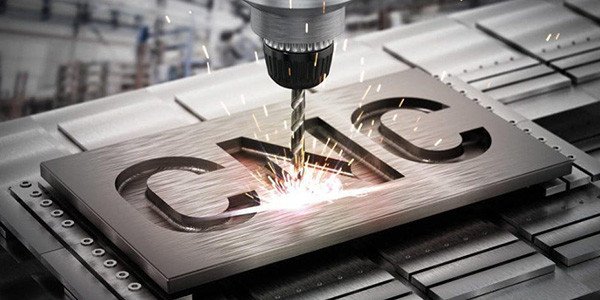
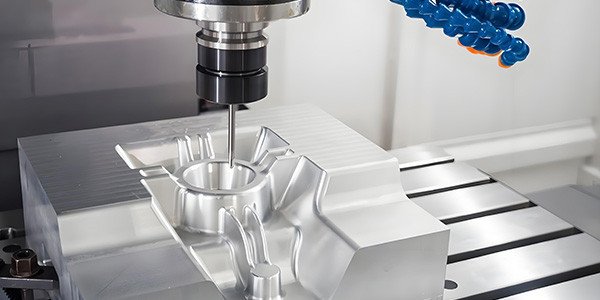
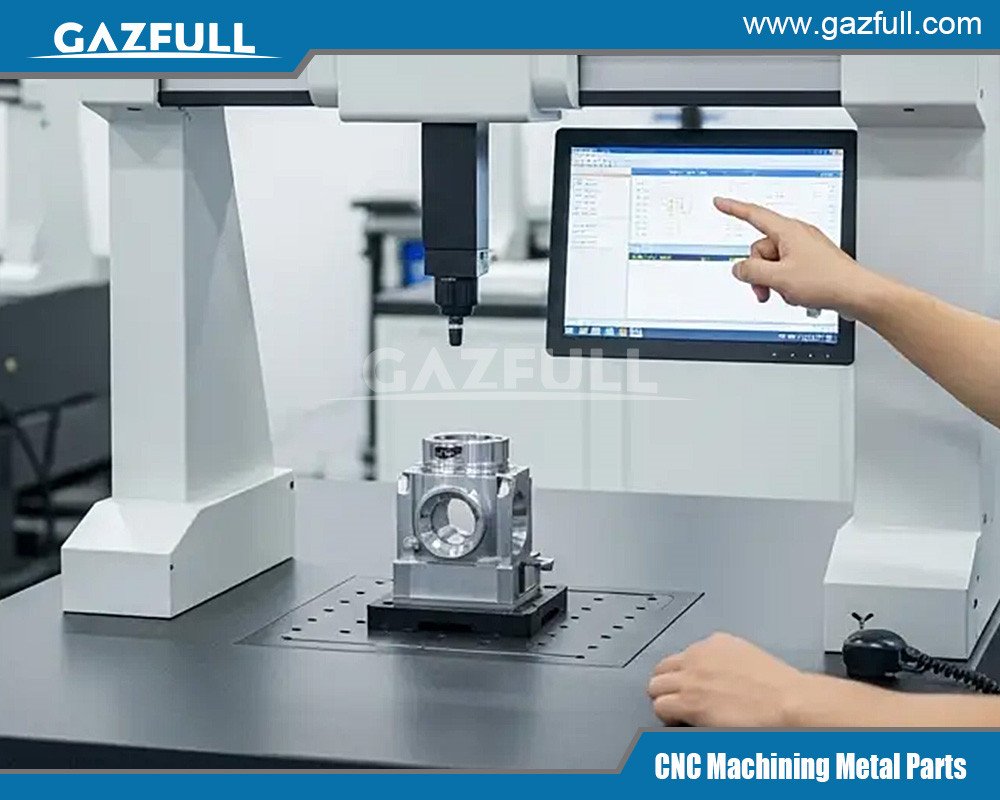
Many high-precision aluminum die-cast components undergo CNC machining after casting to achieve tighter tolerances and critical dimensions.
Combining precision machining with premium surface finishing provides:
- High dimensional accuracy
- Superior appearance
- Improved sealing performance
- Better assembly compatibility
This integrated manufacturing approach is widely used in advanced industrial applications.
Industries Using Aluminum Custom Die Casting Services
Automotive Industry
The automotive sector is one of the largest consumers of aluminum die-cast products.
Applications include:
- Transmission housings
- Engine components
- Brackets
- Heat sinks
- Structural supports
Weight reduction helps improve fuel efficiency and electric vehicle performance.
Electronics Industry
Aluminum die casting is widely used in electronics because of its excellent heat dissipation and EMI shielding properties.
Common products include:
- LED housings
- Communication enclosures
- Power supply cases
- Heat sinks
Aerospace Industry
Aerospace manufacturers require lightweight and high-strength components with strict dimensional accuracy.
Die-cast aluminum parts help reduce aircraft weight while maintaining structural performance.
Industrial Automation
Robotics and automation systems often use aluminum die-cast housings, frames, and structural components due to their strength and lightweight properties.
Medical Equipment
Medical device manufacturers use aluminum die casting for equipment housings and precision mechanical parts requiring durability and clean surface finishes.
Factors to Consider When Choosing an Aluminum Die Casting Supplier
Selecting the right manufacturing partner is critical for ensuring product quality and long-term supply stability.
Important factors include:
Engineering Capability
A qualified supplier should provide:
- DFM analysis
- Mold flow simulation
- Rapid prototyping
- Material recommendations
Manufacturing Equipment
Modern die casting factories typically use:
- Automated casting machines
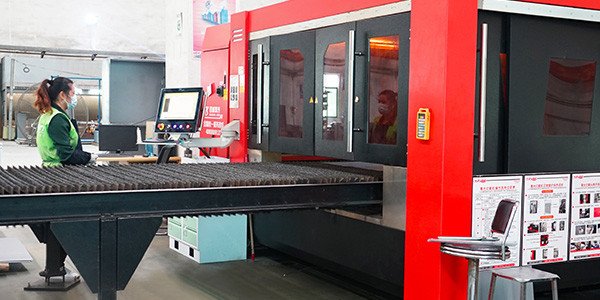
- CNC machining centers
- Surface treatment lines
- Quality inspection systems
Quality Control
Reliable suppliers implement strict quality systems such as:
- ISO 9001
- IATF 16949
- SPC monitoring
- Leak testing
- X-ray inspection
Surface Treatment Expertise
An experienced supplier should offer multiple finishing options and understand compatibility between alloys and coating technologies.
Production Capacity
Scalable manufacturing capacity ensures stable delivery for both prototype and mass production orders.
Future Trends in Aluminum Die Casting Technology
The aluminum die casting industry continues to evolve with advanced manufacturing technologies.
Key trends include:
- Vacuum die casting
- High-integrity structural casting
- Automation and robotics
- AI-assisted quality inspection
- Sustainable manufacturing
- Recyclable aluminum materials
- Integrated smart factory systems
Electric vehicles, renewable energy systems, and high-performance electronics are expected to further increase demand for precision aluminum die-cast components.
Conclusion
Aluminum custom die casting services provide an efficient and cost-effective solution for manufacturing lightweight, durable, and precision-engineered metal components across multiple industries. With excellent mechanical properties, corrosion resistance, and thermal conductivity, aluminum remains one of the most versatile materials for modern industrial production.
Surface treatment options such as powder coating, anodizing, electroplating, polishing, sand blasting, and chromate conversion coating further enhance the functionality and appearance of aluminum die-cast products. Selecting the right combination of alloy material, casting technology, and surface finishing is essential for achieving optimal product performance and long-term reliability.
As industries continue to demand higher efficiency, lighter materials, and superior product quality, aluminum custom die casting with advanced surface treatment solutions will remain a critical manufacturing technology for the future.
Choose Gazfull CNC Routing Services
At Gazfull, we specialize in providing machining services that go beyond traditional manufacturing. We aim to optimize your processes and reduce production expenses while delivering high-quality results. Our expertise and state-of-the-art 3-axis cutting systems also enable us to handle all your custom needs efficiently and precisely.
For more about aluminum custom die casting service with surface treatment options, you can pay a visit to Gazfull at https://www.gazfull.com/services/ for more info.