CNC Machining Metal Parts +86-18169936698

Introduction
In today’s highly competitive industrial environment, precision manufacturing has become a critical factor in ensuring product quality, operational efficiency, and long-term reliability. Industries such as aerospace, automotive, semiconductor, medical equipment, electronics, telecommunications, and industrial automation all demand components with tight tolerances, superior surface finishes, and exceptional dimensional consistency. Among the most efficient solutions for producing complex and high-performance metal components is the combination of metal extrusion and precision CNC machining.
Precision CNC machined metal extrusion parts manufacturing services integrate advanced extrusion technologies with computer numerical control (CNC) machining processes to deliver custom-engineered parts that meet strict technical specifications. This manufacturing approach offers outstanding flexibility, reduced material waste, improved mechanical performance, and cost-effective mass production capabilities.
This article explores the complete manufacturing process, material options, advantages, industrial applications, quality standards, and future trends of precision CNC machined metal extrusion parts manufacturing services.

What Are Metal Extrusion Parts?
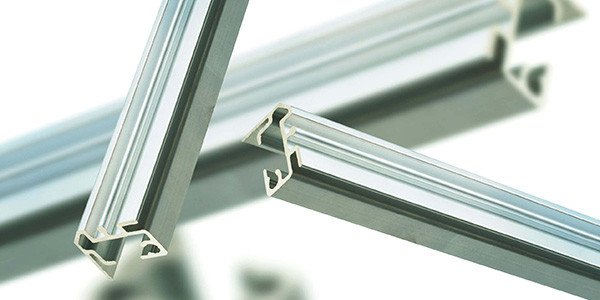
Metal extrusion is a manufacturing process in which metal material is forced through a specially designed die to create components with a fixed cross-sectional profile. The process is widely used for producing long and continuous shapes such as tubes, rails, channels, heat sinks, frames, structural supports, and customized profiles.
Extruded metal parts are commonly manufactured from materials including:
- Aluminum alloys
- Stainless steel
- Carbon steel
- Brass
- Copper
- Titanium
- Magnesium alloys
After extrusion, CNC machining operations are performed to achieve high precision dimensions, intricate features, threaded holes, slots, and customized geometries that cannot be obtained through extrusion alone.
The integration of extrusion and CNC machining provides manufacturers with a highly efficient production method for creating lightweight, durable, and precision-engineered components.
Overview of Precision CNC Machining
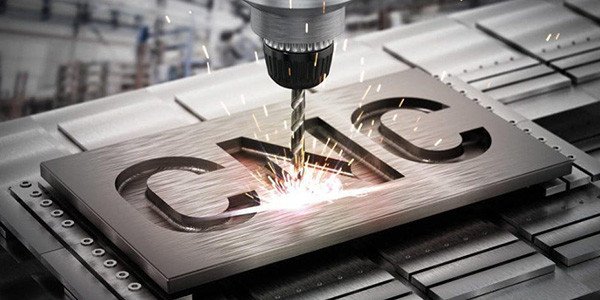
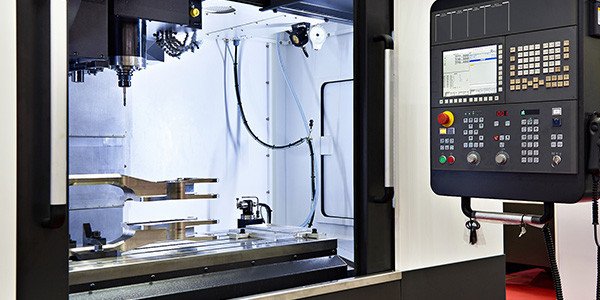
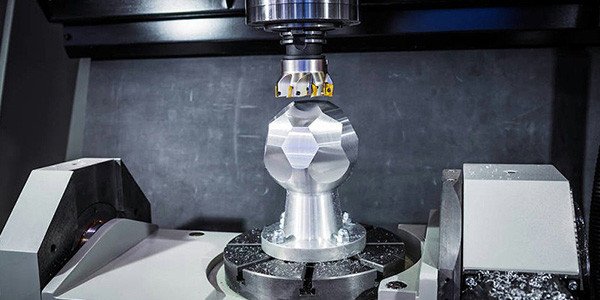
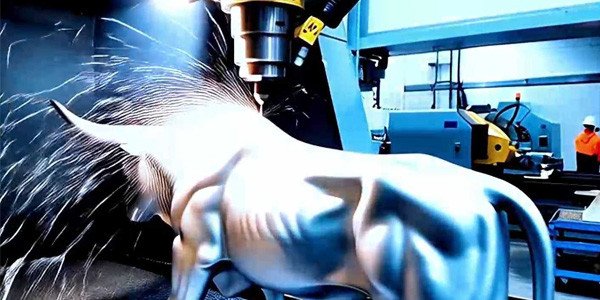
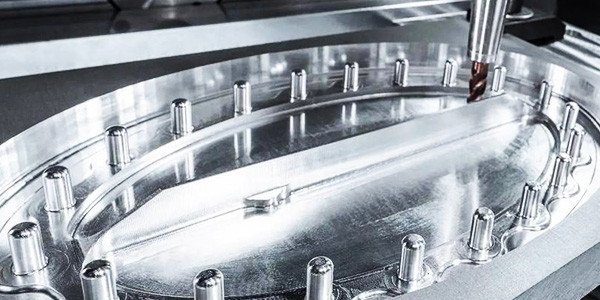
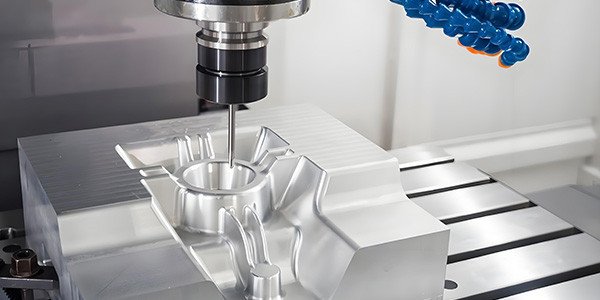
CNC machining is an automated subtractive manufacturing process controlled by computer-programmed instructions. CNC machines use cutting tools to remove material from a workpiece with extremely high precision and repeatability.
Common CNC machining operations include:
- CNC milling
- CNC turning
- Drilling
- Tapping
- Boring
- Surface grinding
- Engraving
- Thread machining
Modern CNC machining centers are capable of achieving tolerances as tight as ±0.005 mm depending on the material and component complexity.
When combined with metal extrusion, CNC machining allows manufacturers to transform simple extruded profiles into highly customized and application-specific precision components.
Manufacturing Process of CNC Machined Metal Extrusion Parts
1. Engineering Design and CAD Modeling
The manufacturing process begins with detailed engineering analysis and CAD (Computer-Aided Design) modeling. Engineers develop precise 2D drawings and 3D models according to customer specifications.
Key design considerations include:
- Material selection
- Mechanical strength requirements
- Thermal performance
- Corrosion resistance
- Surface finish requirements
- Machining allowances
- Dimensional tolerances
Advanced simulation software may also be used to optimize extrusion die design and machining strategies.
2. Extrusion Die Manufacturing
The extrusion die is one of the most critical components in the production process. High-quality tool steel dies are precisely manufactured to ensure accurate cross-sectional profiles.
The die design directly affects:
- Product dimensional stability
- Surface quality
- Material flow consistency
- Production efficiency
- Mechanical properties
Precision die manufacturing significantly reduces defects such as warping, cracking, and uneven wall thickness.
3. Metal Extrusion Process
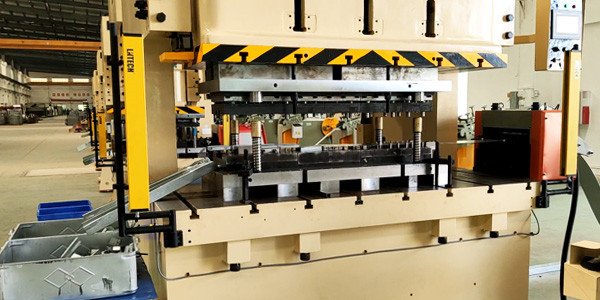
During extrusion, heated metal billets are forced through the die using high hydraulic pressure.
There are two main extrusion methods:
Hot Extrusion
The metal is heated above its recrystallization temperature before extrusion. Hot extrusion improves material ductility and allows complex profile production.
Cold Extrusion
The extrusion is performed at room temperature. Cold extrusion provides better surface finishes and tighter dimensional tolerances.
Extrusion advantages include:
- High material utilization
- Excellent structural integrity
- Continuous profile production
- Reduced welding requirements
- Lightweight design capabilities
4. Precision CNC Machining
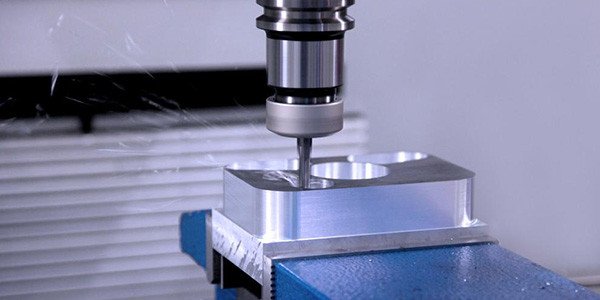
After extrusion, the parts undergo precision CNC machining to create final features and achieve strict tolerances.
Typical machining processes include:
- Multi-axis CNC milling
- Precision drilling
- Slot cutting
- Thread tapping
- Counterboring
- Chamfering
- Deburring
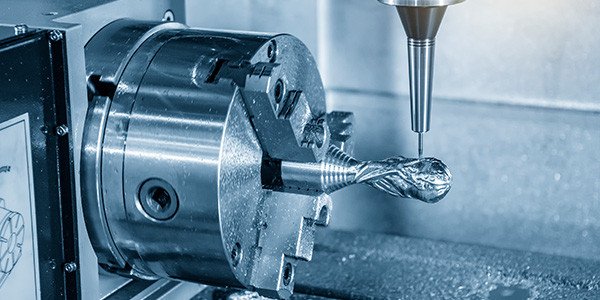
Five-axis CNC machining centers are particularly valuable for manufacturing complex aerospace, semiconductor, and medical components with intricate geometries.
Modern CNC systems provide:
- High repeatability
- Automated production
- Reduced human error
- Faster production cycles
- Consistent product quality
5. Surface Finishing and Treatment
Surface treatment enhances both the appearance and performance of metal extrusion parts.
Common finishing options include:
Anodizing
Widely used for aluminum parts to improve corrosion resistance and surface hardness.
Powder Coating
Provides decorative finishes and excellent environmental durability.
Electropolishing
Commonly used for stainless steel components in semiconductor and medical industries.
Plating
Nickel, chrome, zinc, or gold plating may be applied for conductivity or corrosion protection.
Sandblasting
Improves surface texture and appearance.
Proper finishing processes extend component lifespan and improve reliability in harsh operating environments.
6. Inspection and Quality Control
Precision manufacturing requires strict quality assurance procedures.
Inspection equipment commonly includes:
- Coordinate Measuring Machines (CMM)
- Optical measurement systems
- Laser scanners
- Surface roughness testers
- Hardness testers
- Spectrometers
Manufacturers often follow international quality standards such as:
- ISO 9001
- AS9100
- ISO 13485
- IATF 16949
Comprehensive quality control ensures every component meets exact engineering specifications before shipment.
Advantages of Precision CNC Machined Metal Extrusion Parts
Excellent Dimensional Accuracy
CNC machining enables extremely precise dimensions and tight tolerances, ensuring consistent assembly performance.
Cost-Effective Production
Extrusion significantly reduces raw material waste compared to traditional machining from solid blocks.
Lightweight Structural Design
Extruded aluminum and magnesium alloys provide excellent strength-to-weight ratios for transportation and aerospace applications.
High Production Efficiency
Extrusion combined with CNC machining enables both high-volume production and flexible customization.
Improved Mechanical Properties
The extrusion process refines grain structure and enhances material strength.
Superior Surface Quality
Precision machining and advanced finishing processes produce clean and aesthetically attractive surfaces.
Design Flexibility
Manufacturers can create highly customized profiles and complex geometries tailored to customer requirements.
Common Materials Used
Aluminum Alloys
Aluminum is the most widely used extrusion material because of its:
- Lightweight properties
- Excellent machinability
- Corrosion resistance
- Thermal conductivity
- Recyclability
Popular grades include:
- 6061 aluminum
- 6063 aluminum
- 7075 aluminum
Stainless Steel
Stainless steel extrusion parts provide:
- Exceptional corrosion resistance
- High mechanical strength
- Chemical resistance
- Hygienic surfaces
They are commonly used in medical, semiconductor, and food-processing industries.
Copper and Brass
Copper and brass offer:
- Excellent electrical conductivity
- Thermal conductivity
- Decorative appearance
These materials are often used in electrical and electronic applications.
Titanium Alloys
Titanium extrusion parts are ideal for aerospace and medical applications due to:
- High strength
- Low density
- Biocompatibility
- Corrosion resistance
Although titanium machining is more challenging, modern CNC technology enables highly precise manufacturing.
Industrial Applications
Aerospace Industry
Precision CNC machined extrusion parts are widely used in:
- Aircraft structural frames
- Cabin systems
- Heat exchangers
- Satellite components
- UAV systems
The aerospace sector requires lightweight components with exceptional strength and reliability.
Automotive Industry
Automotive applications include:
- Battery enclosures
- Chassis components
- Heat sinks
- Motor housings
- Sensor brackets
Electric vehicle manufacturers increasingly rely on aluminum extrusion technologies to reduce vehicle weight and improve energy efficiency.
Semiconductor Industry
Semiconductor manufacturing environments require ultra-clean and high-precision components such as:
- Gas delivery systems
- Vacuum chamber components
- UHP fittings
- Process equipment frames
Electropolished stainless steel extrusion parts are commonly used to minimize particle contamination.
Medical Equipment
Medical applications demand high precision and strict hygiene standards.
Typical products include:
- Imaging equipment structures
- Surgical device components
- Laboratory instrument housings
- Patient monitoring equipment
Manufacturers must comply with stringent medical quality regulations.
Electronics and Telecommunications
Extruded metal parts are widely used for:
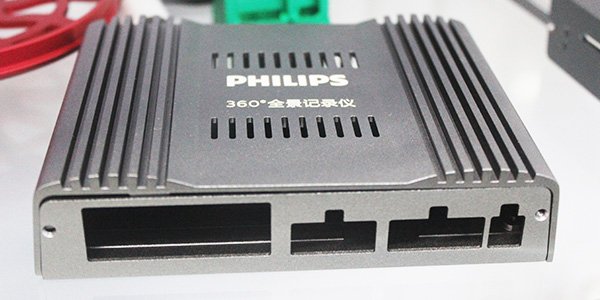
- Heat sinks
- Enclosures
- Connector housings
- Antenna structures
- Server rack systems
Aluminum extrusion is particularly valuable for thermal management applications.
Importance of Tight Tolerance Manufacturing
Tight tolerance manufacturing is essential for industries where even minor dimensional variations can cause system failures.
Precision CNC machining ensures:
- Reliable assembly compatibility
- Reduced vibration
- Better sealing performance
- Improved fluid flow accuracy
- Stable thermal performance
For semiconductor and aerospace industries, micron-level accuracy is often required to ensure operational reliability.
Customization Capabilities
Modern CNC machined metal extrusion manufacturing services provide extensive customization options including:
- Custom profile design
- Multi-axis machining
- Complex internal channels
- Integrated mounting features
- Special coatings
- Laser engraving
- Prototype development
- Small-batch production
- High-volume manufacturing
This flexibility allows manufacturers to support both rapid prototyping and large-scale industrial production.
Environmental and Sustainability Benefits
Metal extrusion manufacturing offers important environmental advantages.
Reduced Material Waste
Extrusion uses material more efficiently compared to machining from solid stock.
Recyclability
Aluminum and many other extrusion metals are highly recyclable.
Energy Efficiency
Lightweight extrusion parts improve energy efficiency in transportation and industrial systems.
Longer Product Lifespan
High-quality precision components reduce replacement frequency and maintenance requirements.
Sustainable manufacturing practices are becoming increasingly important across global industries.
Future Trends in CNC Machined Metal Extrusion Manufacturing
The industry continues to evolve with the adoption of advanced technologies.
Smart Manufacturing
Industry 4.0 technologies enable:
- Real-time production monitoring
- Predictive maintenance
- Automated quality control
- Digital process optimization
AI-Assisted Machining
Artificial intelligence improves:
- Tool path optimization
- Production scheduling
- Defect prediction
- Process consistency
Advanced Materials
Manufacturers are increasingly using:
- High-performance aluminum alloys
- Composite materials
- Advanced titanium alloys
- Corrosion-resistant superalloys
Automation and Robotics
Robotic handling systems improve production efficiency, reduce labor costs, and enhance manufacturing consistency.
Hybrid Manufacturing
The integration of additive manufacturing and CNC machining is enabling more complex and lightweight designs.
Choosing the Right Manufacturing Partner
Selecting an experienced CNC machined metal extrusion parts manufacturer is critical for ensuring product quality and reliable delivery.
Important factors to consider include:
- Engineering expertise
- CNC machining capabilities
- Material knowledge
- Quality certifications
- Production capacity
- Surface finishing options
- Inspection equipment
- Industry experience
- Lead time management
- Technical support
A reliable manufacturing partner can significantly improve product performance while reducing production risks and overall costs.
Conclusion
Precision CNC machined metal extrusion parts manufacturing services play a vital role in modern industrial production. By combining the efficiency of metal extrusion with the accuracy of CNC machining, manufacturers can produce lightweight, durable, and highly customized components for demanding applications across aerospace, automotive, semiconductor, medical, electronics, and industrial sectors.
As manufacturing technologies continue to advance, the integration of automation, AI, smart manufacturing systems, and advanced materials will further improve precision, efficiency, and sustainability. Companies seeking high-performance metal components increasingly rely on precision CNC machined extrusion solutions to meet strict engineering requirements and remain competitive in global markets.
With excellent dimensional accuracy, cost efficiency, superior mechanical properties, and extensive customization capabilities, precision CNC machined metal extrusion parts manufacturing services will continue to be a cornerstone of advanced manufacturing industries worldwide.
Choose Gazfull CNC Machining Services
At Gazfull, we specialize in providing machining services that go beyond traditional manufacturing. We aim to optimize your processes and reduce production expenses while delivering high-quality results. Our expertise and state-of-the-art 3-axis cutting systems also enable us to handle all your custom needs efficiently and precisely.
For more about precision CNC machined metal extrusion parts manufacturing service, you can pay a visit to Gazfull at https://www.gazfull.com/services/ for more info.