CNC Machining Metal Parts +86-18169936698
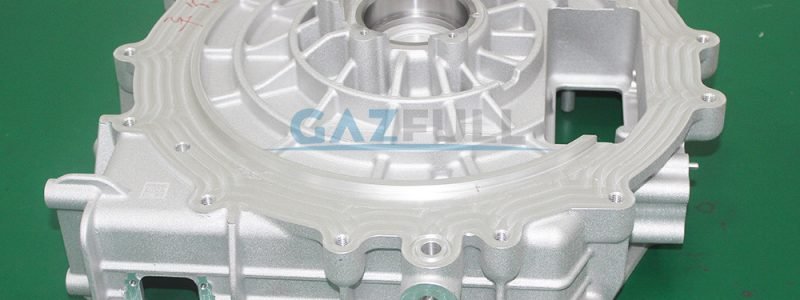
The rapid advancement of robotics and automation technologies has transformed modern manufacturing, logistics, healthcare, and countless other industries. At the core of these innovations lies a critical requirement: precision-engineered mechanical components that ensure reliability, repeatability, and performance. Custom CNC (Computer Numerical Control) metal parts machining services play a pivotal role in meeting these demands by delivering high-precision, tailor-made components for robotic and automation systems.
Unlike mass-produced standard parts, robotics applications often require unique geometries, tight tolerances, and specialized materials. CNC machining provides the flexibility, accuracy, and consistency needed to manufacture such components efficiently. This article explores the importance, processes, materials, advantages, and applications of custom CNC machining in the robotics and automation sector.
The Role of CNC Machining in Robotics and Automation
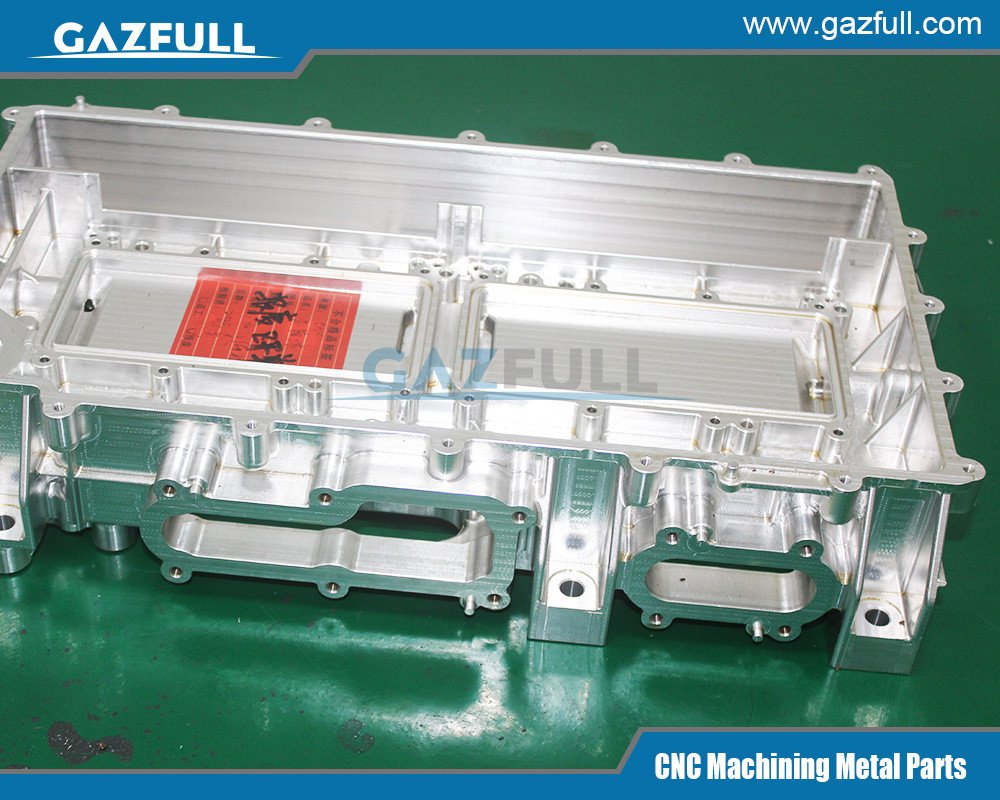
Robotic systems are composed of numerous interconnected mechanical and electronic components. Each part must function flawlessly to ensure the overall system operates efficiently. CNC machining is widely used to produce critical components such as:
- Structural frames and housings
- Precision shafts and gears
- End-effectors and grippers
- Mounting brackets and fixtures
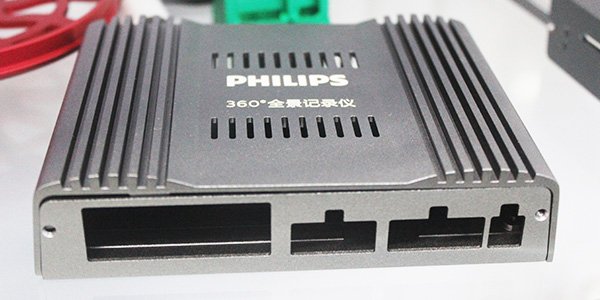
- Sensor and actuator enclosures
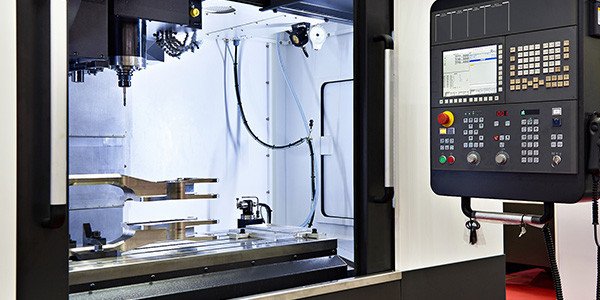
In automation systems, CNC-machined parts are essential for conveyors, pick-and-place machines, assembly lines, and industrial robots. The precision offered by CNC machining ensures smooth motion, minimal friction, and accurate positioning—key requirements in automated environments.
CNC Machining Processes for Custom Metal Parts
Custom CNC machining encompasses several processes, each suited to different types of components and geometries:
1. CNC Milling
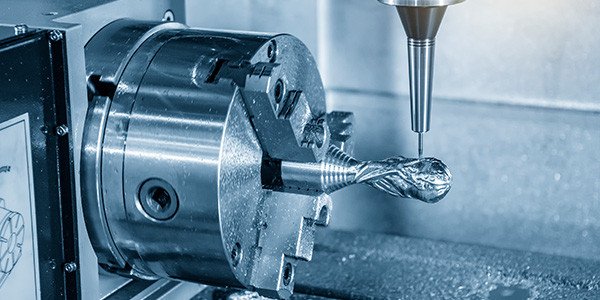
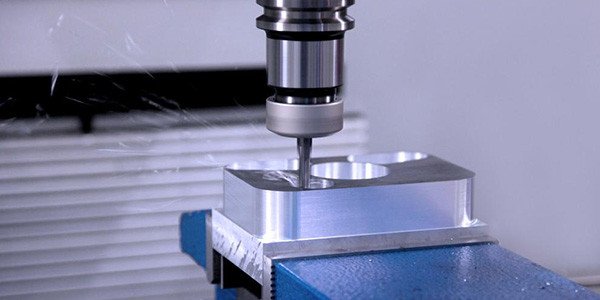
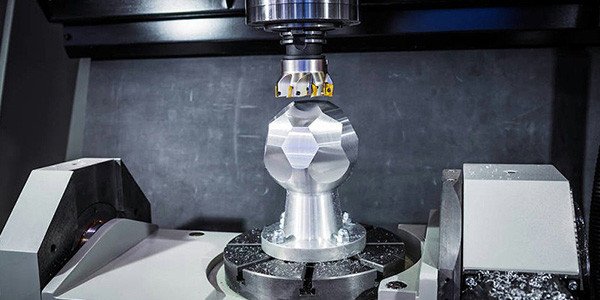
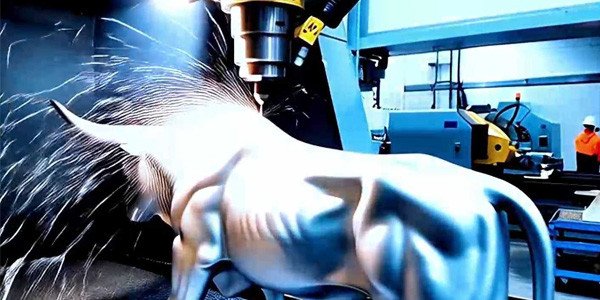
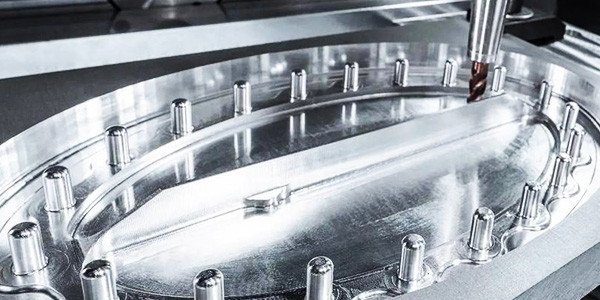
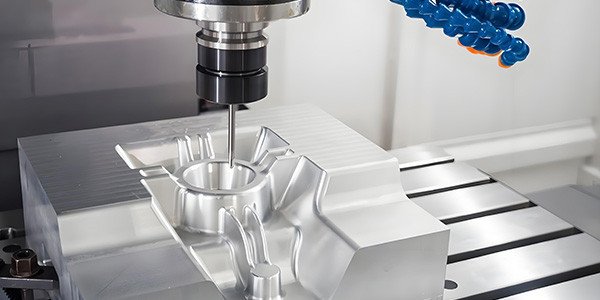
CNC milling involves removing material from a workpiece using rotating cutting tools. It is ideal for creating complex shapes, slots, holes, and contours. Multi-axis milling (3-axis, 4-axis, and 5-axis) enables the production of intricate robotic components with high precision.
2. CNC Turning
CNC turning is used for cylindrical parts such as shafts, bushings, and pins. The workpiece rotates while a cutting tool removes material. This process is essential for components that require concentricity and smooth surface finishes.
3. CNC Drilling and Tapping
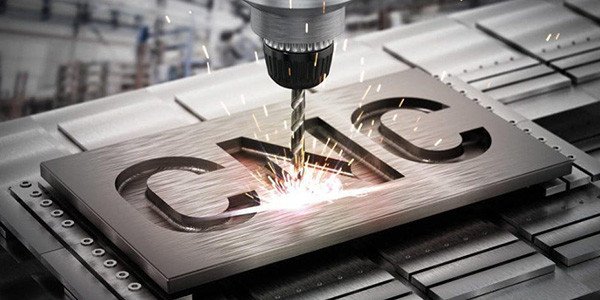
These processes are used to create precise holes and threads for fasteners, which are critical for assembling robotic systems securely.
4. Electrical Discharge Machining (EDM)
EDM is used for machining hard materials and intricate geometries that are difficult to achieve with conventional cutting tools. It is particularly useful for producing molds, dies, and precision components.
5. Surface Finishing
Post-machining treatments such as anodizing, polishing, plating, and sandblasting improve corrosion resistance, durability, and aesthetics.
Materials Used in CNC Machining for Robotics
Material selection is a crucial aspect of designing robotic and automation parts. CNC machining supports a wide range of metals, each offering distinct properties:
Aluminum Alloys
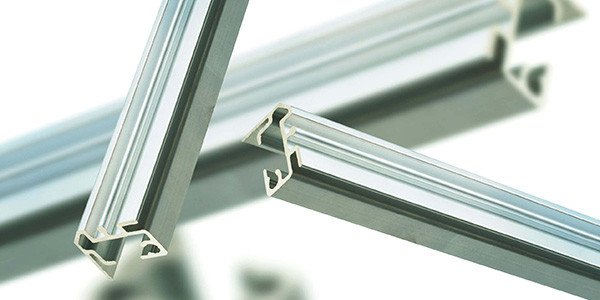
Aluminum is lightweight, corrosion-resistant, and easy to machine. It is widely used for robotic frames, housings, and structural components where weight reduction is important.
Stainless Steel
Stainless steel offers excellent strength, corrosion resistance, and durability. It is commonly used in harsh environments, including food processing and medical robotics.
Carbon Steel
Carbon steel provides high strength and wear resistance, making it suitable for load-bearing components and mechanical parts.
Titanium
Titanium combines high strength with low weight and excellent corrosion resistance. It is often used in high-performance robotics and aerospace automation.
Brass and Copper
These materials are used for electrical components, connectors, and parts requiring good thermal and electrical conductivity.
Advantages of Custom CNC Machining for Robotics Parts
1. High Precision and Tight Tolerances
Robotic systems require components with extremely tight tolerances to ensure accurate motion and alignment. CNC machining can achieve tolerances as tight as ±0.001 mm, ensuring consistent performance.
2. Design Flexibility
Custom CNC machining allows engineers to design complex geometries that would be difficult or impossible to achieve with traditional manufacturing methods. This flexibility is essential for innovative robotic designs.
3. Repeatability and Consistency
CNC machines operate based on programmed instructions, ensuring that each part is identical to the original design. This consistency is critical for large-scale automation systems.
4. Rapid Prototyping and Production
CNC machining enables quick turnaround times for prototypes and small production runs. This accelerates product development cycles and allows for faster iteration and testing.
5. Material Versatility
The ability to machine a wide range of metals allows manufacturers to select the best material for each application, balancing strength, weight, and cost.
6. Durability and Reliability
CNC-machined metal parts offer superior strength and durability compared to plastic or cast components, ensuring long-term reliability in demanding environments.
Applications in Robotics and Automation
Custom CNC machining is indispensable across various robotics and automation applications:
Industrial Robotics
In manufacturing environments, robots perform tasks such as welding, assembly, and material handling. CNC-machined components ensure precision and durability under continuous operation.
Collaborative Robots (Cobots)
Cobots work alongside humans and require lightweight yet strong components. CNC machining enables the production of ergonomic and safe designs.
Medical Robotics
Medical robots demand extremely high precision and biocompatibility. CNC machining ensures compliance with strict regulatory standards and performance requirements.
Autonomous Systems
Autonomous vehicles and drones rely on precision components for navigation, control, and structural integrity. CNC machining supports the production of lightweight and high-strength parts.
Semiconductor and Electronics Automation
Automation systems in semiconductor manufacturing require ultra-high precision components to handle delicate processes. CNC machining meets these stringent requirements.
Quality Control and Inspection
Quality assurance is a critical aspect of CNC machining for robotics applications. Advanced inspection methods are used to ensure parts meet exact specifications:
- Coordinate Measuring Machines (CMM) for dimensional accuracy
- Optical inspection systems for surface and geometric analysis
- Material testing for strength and hardness
- Surface roughness measurement for performance optimization
Strict quality control ensures that every component performs reliably in its intended application.
Challenges and Considerations
While CNC machining offers numerous advantages, there are several challenges to consider:
Cost
Custom machining can be more expensive than mass production methods, especially for complex parts or small quantities. However, the benefits in precision and performance often outweigh the cost.
Design for Manufacturability (DFM)
Designs must be optimized for CNC machining to minimize production time and cost. Collaboration between engineers and manufacturers is essential.
Lead Time
Although CNC machining is relatively fast, complex parts may require longer production times due to multiple operations and finishing processes.
Future Trends in CNC Machining for Robotics
As robotics and automation continue to evolve, CNC machining is also advancing to meet new demands:
Integration with Digital Manufacturing
The use of CAD/CAM software and digital twins enables more efficient design and production processes.
Automation of CNC Systems
Automated CNC machining centers with robotic loading and unloading improve productivity and reduce labor costs.
Advanced Materials
The development of new alloys and composite materials expands the possibilities for high-performance robotic components.
Additive and Hybrid Manufacturing
Combining CNC machining with additive manufacturing allows for the production of complex parts with reduced material waste.
Conclusion
Custom CNC metal parts machining services are a cornerstone of the robotics and automation industry. By providing high precision, flexibility, and reliability, CNC machining enables the production of complex components that drive innovation across various sectors.
As technology continues to advance, the demand for customized, high-quality parts will only increase. Manufacturers that leverage advanced CNC machining capabilities will be well-positioned to support the next generation of robotic and automation systems.
Whether for prototyping or large-scale production, CNC machining remains an essential solution for delivering the precision-engineered components that modern robotics demands.
Choose Gazfull CNC Machining Services
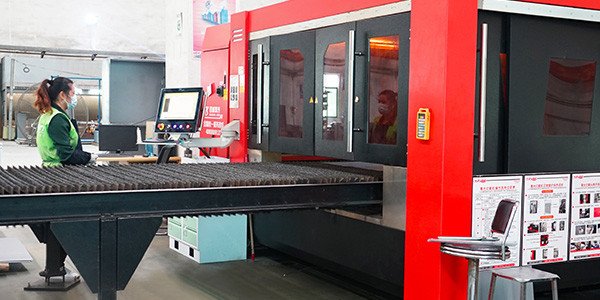
At Gazfull, we specialize in providing machining services that go beyond traditional manufacturing. We aim to optimize your processes and reduce production expenses while delivering high-quality results. Our expertise and state-of-the-art 3-axis cutting systems also enable us to handle all your custom needs efficiently and precisely.
For more about custom CNC metal parts machining service for robotics and automation parts, you can pay a visit to Gazfull at https://www.gazfull.com/services/ for more info.