CNC Machining Metal Parts +86-18169936698
In today’s fast-paced product development landscape, speed, precision, and flexibility are critical to staying competitive. CNC (Computer Numerical Control) prototype machining services have emerged as a cornerstone technology for engineers, designers, and manufacturers seeking to transform ideas into functional prototypes quickly and accurately. This article explores the principles, advantages, applications, materials, processes, and future trends of CNC prototype machining services, providing a comprehensive understanding of their role in modern manufacturing.
1. What is CNC Prototype Machining?
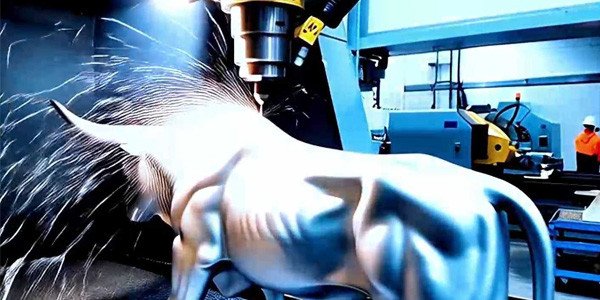
CNC prototype machining is a subtractive manufacturing process in which computer-controlled machines remove material from a solid block (known as a workpiece) to create a desired shape. The process relies on pre-programmed software (CAD/CAM) to control the movement of cutting tools with high precision.
Unlike traditional manual machining, CNC machining automates the entire process, ensuring consistent quality and repeatability. When applied to prototyping, CNC machining enables rapid production of functional models that closely resemble final products in terms of geometry, material properties, and performance.
2. Key Advantages of CNC Prototype Machining Services
2.1 High Precision and Accuracy
CNC machines can achieve extremely tight tolerances, often within ±0.001 inches (±0.025 mm). This level of precision is essential for industries such as aerospace, medical devices, and automotive engineering, where even minor deviations can lead to failure.
2.2 Fast Turnaround Time
With advanced programming and automation, CNC prototype machining services can deliver parts within days. This rapid turnaround accelerates product development cycles and shortens time-to-market.
2.3 Wide Material Compatibility
CNC machining supports a broad range of materials, including metals (aluminum, stainless steel, titanium, brass), plastics (ABS, PEEK, nylon, polycarbonate), and composites. This flexibility allows engineers to test prototypes under real-world conditions.
2.4 Excellent Surface Finish
CNC machining produces smooth surfaces and fine details without the need for extensive post-processing. Additional finishing options such as anodizing, polishing, or coating can further enhance aesthetics and functionality.
2.5 Scalability
The same CNC setup used for prototyping can often be adapted for low-volume production, making it a cost-effective solution for bridge manufacturing before mass production.
3. CNC Prototype Machining Process
The CNC prototyping workflow typically involves the following steps:
3.1 Design and CAD Modeling
Engineers create a 3D model using CAD software. This model defines all dimensions, tolerances, and features of the prototype.
3.2 CAM Programming
The CAD file is converted into machine instructions using CAM software. This step determines tool paths, cutting speeds, and machining strategies.
3.3 Material Selection
Choosing the right material is critical, as it affects mechanical properties, cost, and manufacturability.
3.4 Machining Operations
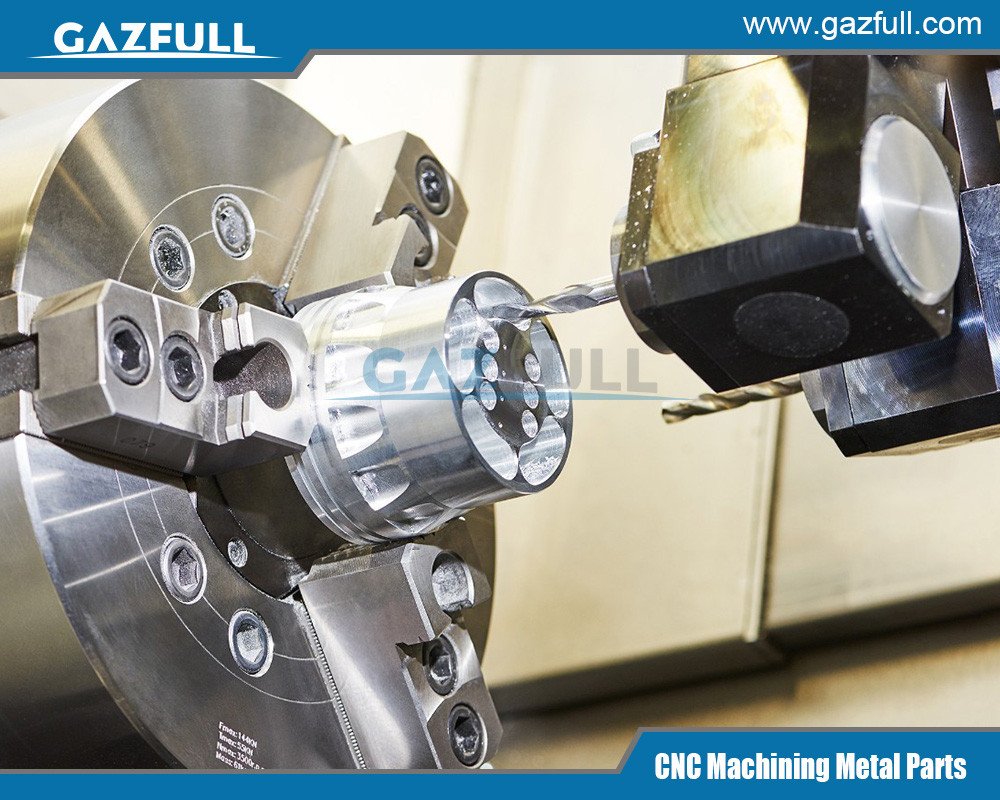
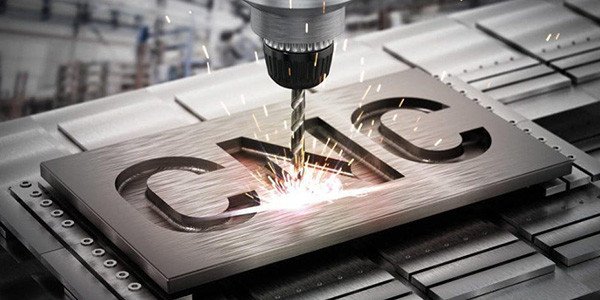
The CNC machine executes operations such as milling, turning, drilling, and tapping. Multi-axis machines (3-axis, 4-axis, 5-axis) enable complex geometries.
3.5 Finishing and Inspection
After machining, parts may undergo surface treatments and quality inspections using tools like coordinate measuring machines (CMM).
4. Types of CNC Machining Used in Prototyping
4.1 CNC Milling
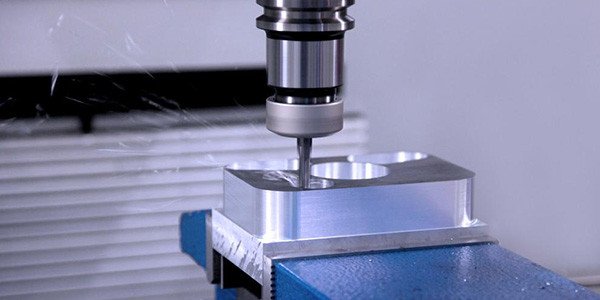
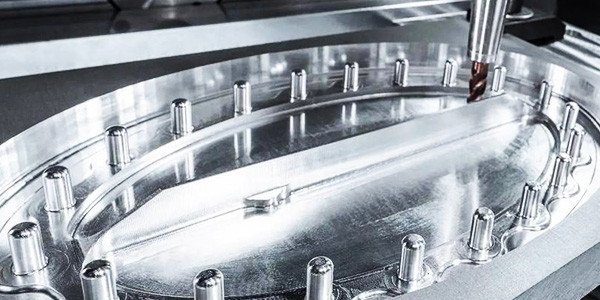
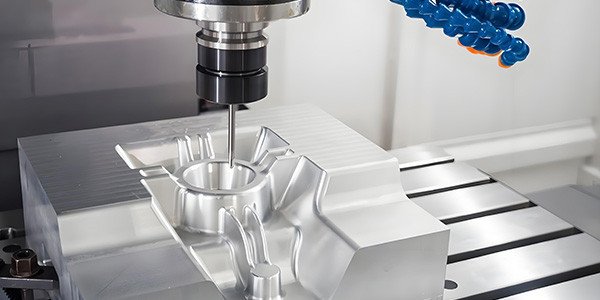
CNC milling uses rotating cutting tools to remove material. It is ideal for producing complex shapes, slots, pockets, and contours.
4.2 CNC Turning
In CNC turning, the workpiece rotates while a stationary tool removes material. This method is suitable for cylindrical components such as shafts and bushings.
4.3 Multi-Axis Machining
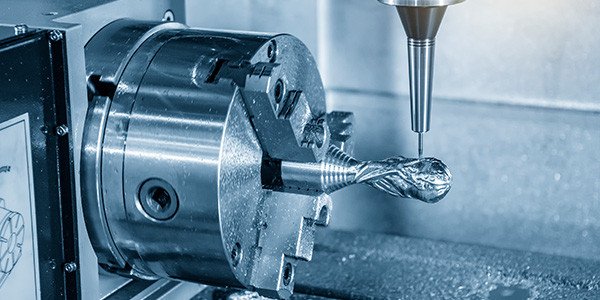
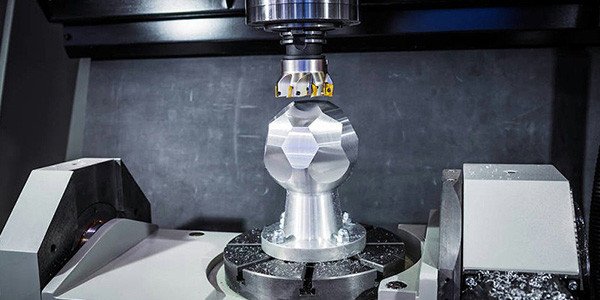
Advanced CNC machines can move along multiple axes simultaneously, enabling the production of intricate geometries in a single setup. This reduces machining time and improves accuracy.
4.4 Electrical Discharge Machining (EDM)
EDM uses electrical sparks to erode material, making it suitable for hard metals and complex internal features.
5. Materials Commonly Used in CNC Prototyping
5.1 Metals
- Aluminum: Lightweight, corrosion-resistant, and easy to machine
- Stainless Steel: Strong, durable, and resistant to corrosion
- Titanium: High strength-to-weight ratio, used in aerospace and medical fields
- Brass and Copper: Excellent electrical conductivity and machinability
5.2 Plastics
- ABS: Affordable and widely used for general prototypes
- Polycarbonate (PC): High impact resistance
- Nylon (PA): Good mechanical strength and wear resistance
- PEEK: High-performance plastic for demanding environments
5.3 Specialty Materials
- Composites: Carbon fiber-reinforced materials for lightweight strength
- Engineering Polymers: For high-temperature or chemical-resistant applications
6. Applications of CNC Prototype Machining
6.1 Aerospace Industry
CNC prototyping is used to create lightweight, high-precision components such as brackets, housings, and turbine parts.
6.2 Automotive Industry
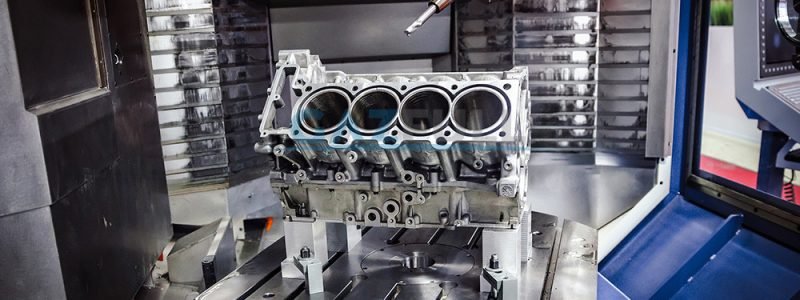
Engineers rely on CNC prototypes for testing engine components, transmission parts, and custom modifications.
6.3 Medical Devices
Precision is critical in medical applications. CNC machining is used for surgical instruments, implants, and diagnostic equipment.
6.4 Consumer Electronics
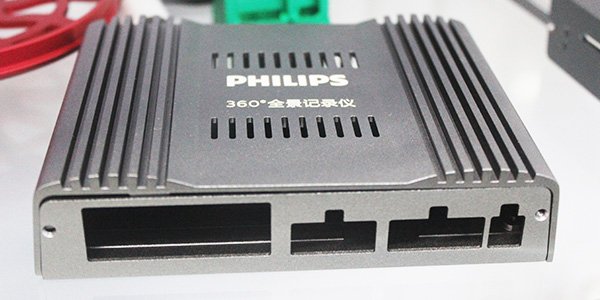
From smartphone housings to wearable devices, CNC prototyping enables rapid iteration and design validation.
6.5 Industrial Equipment
Manufacturers use CNC prototypes to test machinery components, ensuring reliability and performance before mass production.
7. CNC Machining vs. Other Prototyping Methods
7.1 CNC Machining vs. 3D Printing
While 3D printing (additive manufacturing) is ideal for complex geometries and rapid conceptual models, CNC machining offers superior material properties and surface finish. CNC prototypes are often used for functional testing, whereas 3D printing is more suitable for early-stage design validation.
7.2 CNC Machining vs. Injection Molding
Injection molding is cost-effective for high-volume production but requires expensive tooling. CNC machining, on the other hand, is more economical for low-volume prototypes and allows for design changes without additional tooling costs.
8. Design Considerations for CNC Prototyping
8.1 Tolerances
Specify tolerances carefully to balance precision and cost. Tight tolerances increase machining time and expense.
8.2 Geometry Complexity
Avoid overly complex geometries that require multiple setups or specialized tooling.
8.3 Material Selection
Consider machinability, strength, and application requirements when choosing materials.
8.4 Wall Thickness
Maintain uniform wall thickness to prevent deformation and ensure structural integrity.
8.5 Surface Finish Requirements
Define surface finish expectations early to avoid unnecessary post-processing.
9. Cost Factors in CNC Prototype Machining
Several factors influence the cost of CNC prototyping:
- Material Type: Exotic materials like titanium are more expensive
- Part Complexity: Complex designs require more machining time
- Tolerance Requirements: Higher precision increases cost
- Quantity: Larger quantities may reduce per-unit cost
- Finishing Processes: Additional treatments add to the overall cost
Understanding these factors helps optimize design and reduce expenses.
10. Quality Control and Inspection
Quality assurance is a critical aspect of CNC prototype machining services. Advanced inspection techniques include:
- Coordinate Measuring Machines (CMM)
- Optical Inspection Systems
- Surface Roughness Testing
These methods ensure that prototypes meet design specifications and industry standards.
11. Future Trends in CNC Prototype Machining
11.1 Integration with Digital Manufacturing
The integration of CNC machining with IoT, AI, and cloud computing is enhancing efficiency and predictive maintenance.
11.2 Hybrid Manufacturing
Combining CNC machining with additive manufacturing allows for greater design flexibility and reduced material waste.
11.3 Automation and Robotics
Automation is improving productivity and reducing human error, enabling faster and more consistent production.
11.4 Sustainable Manufacturing
Efforts to reduce waste, recycle materials, and improve energy efficiency are shaping the future of CNC machining.
12. Choosing the Right CNC Prototype Machining Service Provider
When selecting a service provider, consider the following:
- Technical Expertise
- Equipment Capabilities (3-axis, 5-axis machines)
- Material Availability
- Lead Time and Delivery
- Quality Certifications (ISO, etc.)
- Customer Support and Communication
A reliable partner can significantly impact the success of your project.
Conclusion
CNC prototype machining services play a vital role in modern product development by offering unmatched precision, speed, and versatility. From aerospace to consumer electronics, industries rely on CNC machining to transform concepts into functional prototypes that closely mirror final products.
By understanding the processes, materials, and design considerations involved, businesses can leverage CNC prototyping to accelerate innovation, reduce risks, and bring high-quality products to market faster. As technology continues to evolve, CNC machining will remain a key driver of advanced manufacturing, bridging the gap between design and production with efficiency and accuracy.
Choose Gazfull CNC Machining Services
At Gazfull, we specialize in providing machining services that go beyond traditional manufacturing. We aim to optimize your processes and reduce production expenses while delivering high-quality results. Our expertise and state-of-the-art 3-axis cutting systems also enable us to handle all your custom needs efficiently and precisely.
For more about advanced CNC prototype machining service for precision engineering and rapid product development, you can pay a visit to Gazfull at https://www.gazfull.com/services/ for more info.