CNC Machining Metal Parts +86-18169936698
CNC Machining Metal Fabrication Service represents a critical pillar of modern manufacturing, enabling the production of high-precision components across industries such as aerospace, automotive, semiconductor, medical devices, and industrial equipment. With the advancement of computer numerical control (CNC) technology, manufacturers are now able to achieve exceptional accuracy, repeatability, and efficiency in metal fabrication processes.
This article explores the principles, processes, materials, advantages, applications, and future trends of CNC machining in metal fabrication services, providing a comprehensive understanding for engineers, procurement professionals, and technical decision-makers.
What is CNC Machining in Metal Fabrication?
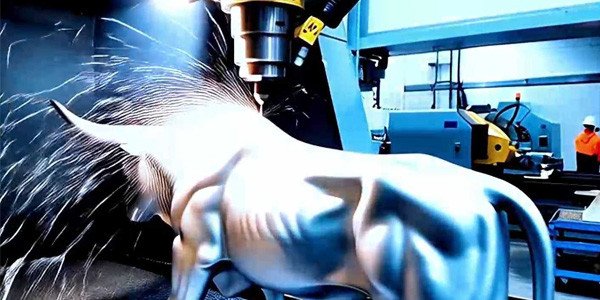
CNC machining refers to the automated control of machining tools such as lathes, mills, routers, and grinders through pre-programmed computer software. In metal fabrication, CNC machining is used to remove material from a solid metal block (subtractive manufacturing) to create precise parts with tight tolerances.
Unlike manual machining, CNC systems operate based on digital design files, typically generated using CAD (Computer-Aided Design) software and converted into machine-readable instructions via CAM (Computer-Aided Manufacturing) software. This ensures consistent production quality and reduces human error.
Core CNC Machining Processes
1. CNC Milling
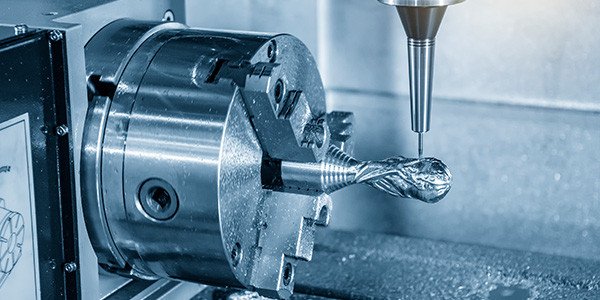
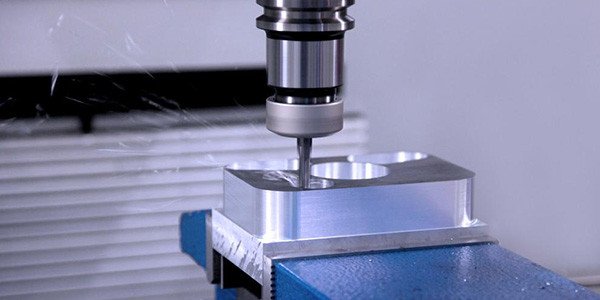
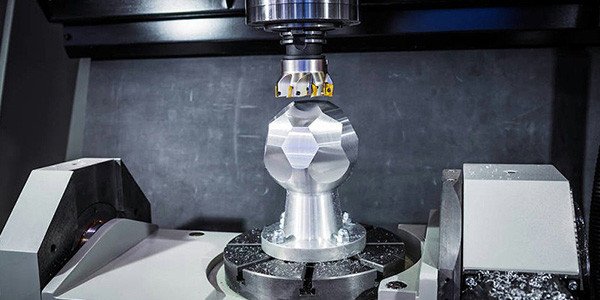
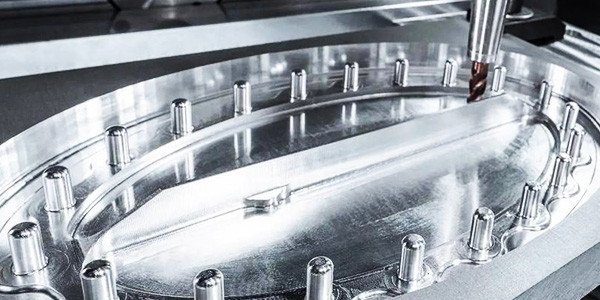
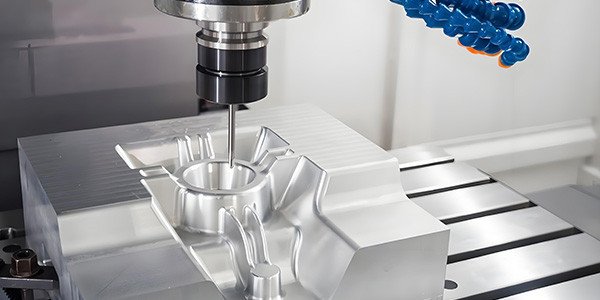
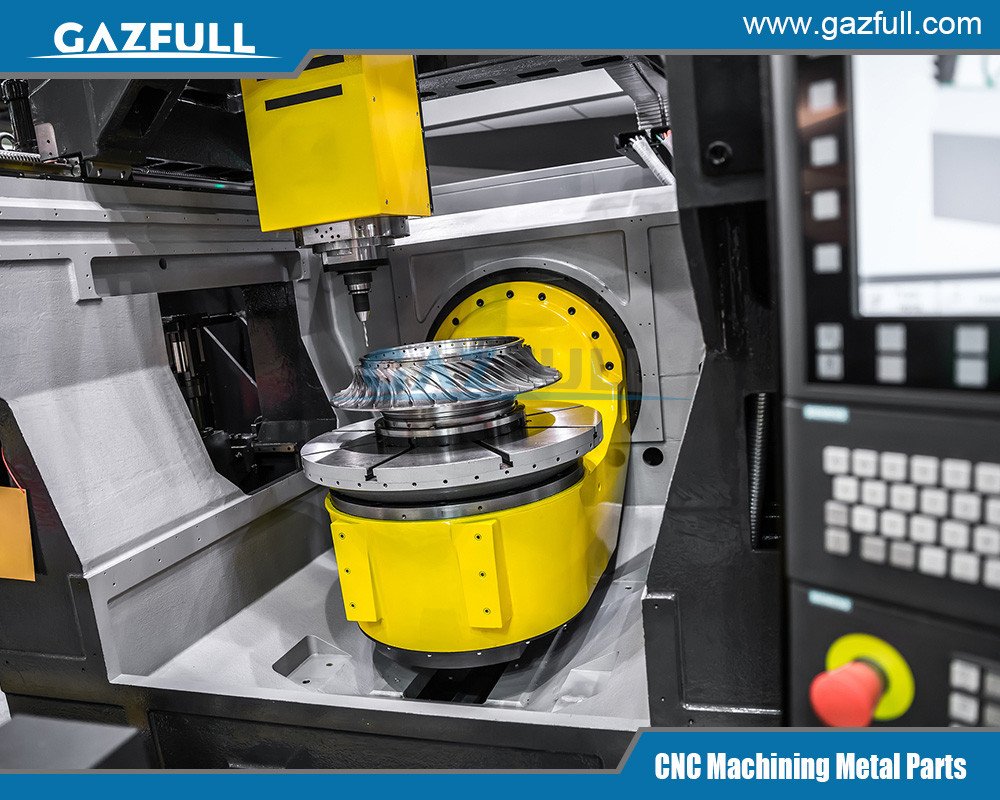
CNC milling is one of the most widely used processes in metal fabrication. It involves rotating cutting tools that remove material from a stationary workpiece. Multi-axis milling machines (3-axis, 4-axis, and 5-axis) enable complex geometries and intricate designs.
Key features:
- High precision and repeatability
- Capability for complex shapes
- Suitable for prototyping and mass production
2. CNC Turning
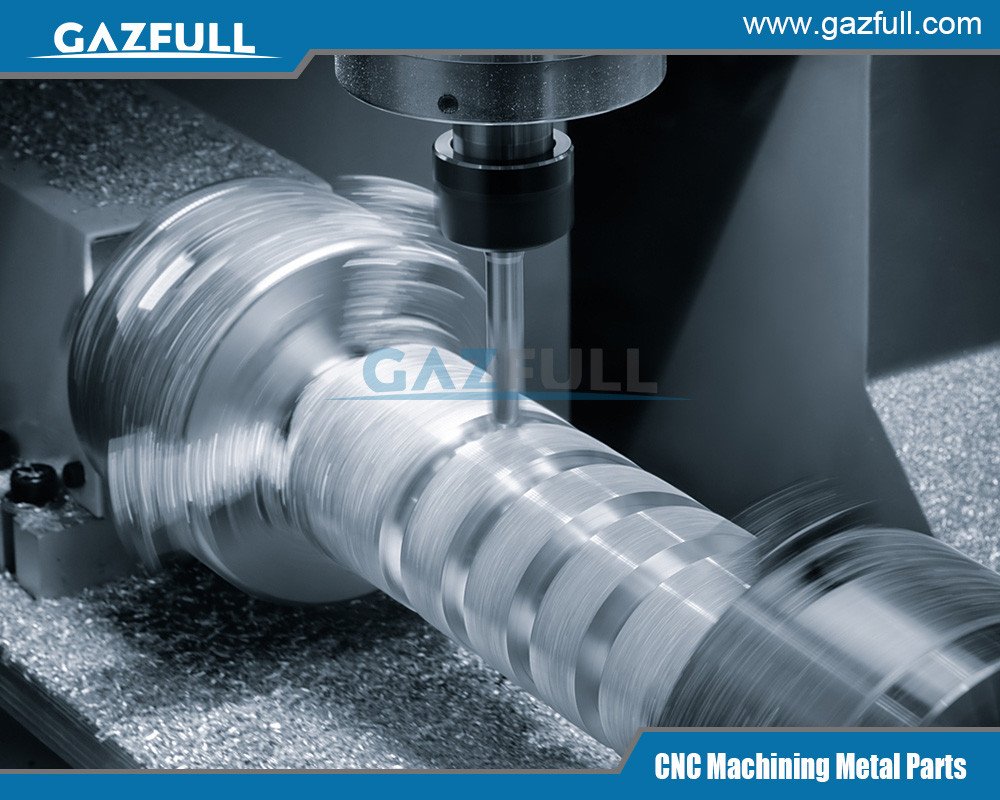
CNC turning is performed on a lathe where the workpiece rotates while a stationary cutting tool removes material. This process is ideal for producing cylindrical or round components such as shafts, bushings, and fittings.
Advantages:
- Excellent surface finish
- High efficiency for symmetrical parts
- Reduced material waste
3. CNC Drilling
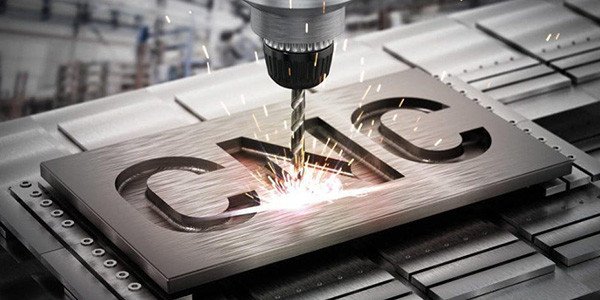
CNC drilling is used to create holes with precise diameters and depths. Advanced CNC machines can perform multiple drilling operations simultaneously, improving production efficiency.
4. CNC Grinding
Grinding is a finishing process that enhances surface quality and dimensional accuracy. It is commonly used for components requiring extremely tight tolerances.
5. Electrical Discharge Machining (EDM)
EDM is a non-traditional machining process that uses electrical sparks to erode material. It is especially useful for hard metals and intricate shapes that are difficult to machine using conventional methods.
Materials Used in CNC Metal Fabrication
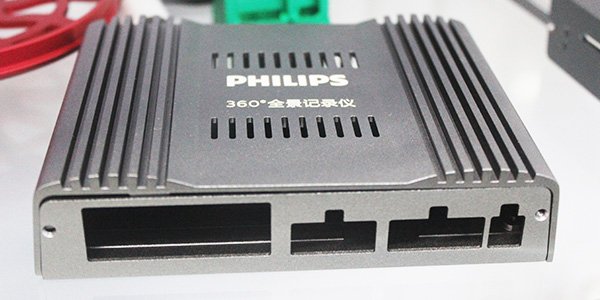
CNC machining metal fabrication services support a wide range of metals, each selected based on mechanical properties, corrosion resistance, and application requirements.
Common Materials:
- Aluminum: Lightweight, corrosion-resistant, and easy to machine. Widely used in aerospace and electronics.
- Stainless Steel: High strength and corrosion resistance, suitable for medical and food-grade applications.
- Carbon Steel: Strong and cost-effective, ideal for structural components.
- Brass: Excellent machinability and electrical conductivity, often used in fittings and valves.
- Copper: Superior thermal and electrical conductivity.
- Titanium: High strength-to-weight ratio and biocompatibility, used in aerospace and medical industries.
Material selection plays a crucial role in determining machining parameters, tool selection, and overall production cost.
Advantages of CNC Machining Metal Fabrication Services
1. High Precision and Accuracy
CNC machines can achieve tolerances as tight as ±0.001 mm, making them ideal for industries requiring exact specifications.
2. Consistency and Repeatability
Once a program is set, CNC machines can produce identical parts repeatedly without deviation, ensuring uniform quality across large production runs.
3. Complex Geometry Capability
Multi-axis CNC machines allow the creation of intricate shapes and features that would be impossible or highly inefficient with manual machining.
4. Increased Efficiency
Automation reduces production time and minimizes human intervention, leading to faster turnaround and lower labor costs.
5. Material Versatility
CNC machining supports a wide range of metals, enabling flexibility in design and application.
6. Reduced Waste
Subtractive manufacturing with optimized tool paths ensures efficient material usage and minimal scrap.
Applications Across Industries
Aerospace Industry
CNC machining is essential for producing high-precision components such as turbine blades, structural parts, and engine components. The demand for lightweight and durable materials like aluminum and titanium makes CNC machining indispensable.
Automotive Industry
From engine components to transmission parts, CNC machining ensures durability, precision, and performance. It also supports rapid prototyping and customization.
Semiconductor Industry
Ultra-high precision components, such as gas delivery systems, valve bodies, and vacuum chambers, rely on CNC machining for tight tolerances and contamination control.
Medical Devices
CNC machining is used to manufacture surgical instruments, implants, and diagnostic equipment. Materials like stainless steel and titanium ensure biocompatibility and sterilization resistance.
Industrial Equipment
Heavy machinery components, including gears, housings, and brackets, are fabricated using CNC machining for strength and reliability.
Quality Control in CNC Machining
Quality assurance is a critical aspect of CNC metal fabrication services. Manufacturers employ various inspection and testing methods to ensure compliance with specifications.
Key Quality Control Measures:
- Coordinate Measuring Machines (CMM): Used for dimensional inspection
- Surface Roughness Testing: Ensures required finish quality
- Material Certification: Verifies material composition
- Non-Destructive Testing (NDT): Detects internal defects
- First Article Inspection (FAI): Validates initial production samples
Adherence to international standards such as ISO 9001 and AS9100 further ensures reliability and consistency.
Surface Finishing Options
Surface finishing enhances both the functional and aesthetic properties of metal components.
Common Finishing Processes:
- Anodizing: Improves corrosion resistance (mainly for aluminum)
- Electropolishing: Enhances surface smoothness and cleanliness
- Powder Coating: Provides durable protective layers
- Plating (Nickel, Chrome, Zinc): Adds corrosion resistance and conductivity
- Passivation: Removes contaminants and improves corrosion resistance
The choice of finishing depends on environmental conditions, performance requirements, and industry standards.
Design Considerations for CNC Machining
To optimize manufacturability and cost, engineers should consider the following design guidelines:
- Avoid overly complex geometries unless necessary
- Maintain uniform wall thickness
- Use standard tool sizes and radii
- Minimize deep cavities and sharp internal corners
- Specify tolerances only where critical
Design for Manufacturability (DFM) plays a crucial role in reducing production costs and improving efficiency.
Cost Factors in CNC Machining Services
Several factors influence the overall cost of CNC metal fabrication:
- Material Type: Exotic metals like titanium are more expensive
- Part Complexity: More complex designs require longer machining time
- Tolerance Requirements: Tighter tolerances increase cost
- Surface Finish: Additional finishing processes add to expenses
- Production Volume: Higher volumes reduce per-unit cost
Understanding these factors helps businesses make informed decisions and optimize budgets.
Future Trends in CNC Machining Metal Fabrication
1. Automation and Smart Manufacturing
Integration with Industry 4.0 technologies, such as IoT and AI, enables real-time monitoring, predictive maintenance, and improved production efficiency.
2. Hybrid Manufacturing
Combining CNC machining with additive manufacturing (3D printing) allows for greater design flexibility and reduced material waste.
3. Advanced Materials
The use of high-performance alloys and composites is increasing, requiring more sophisticated machining techniques.
4. Sustainability
Manufacturers are focusing on reducing energy consumption, recycling materials, and adopting environmentally friendly processes.
5. Digital Twin Technology
Simulation of machining processes in a virtual environment helps optimize production and minimize errors before actual manufacturing begins.
Conclusion
CNC Machining Metal Fabrication Service has revolutionized the manufacturing landscape by delivering unmatched precision, efficiency, and versatility. From aerospace to semiconductor industries, CNC machining plays a vital role in producing high-quality metal components that meet stringent performance requirements.
As technology continues to evolve, CNC machining will become even more advanced, integrating automation, digitalization, and sustainable practices. For businesses seeking reliable and high-performance metal fabrication solutions, CNC machining remains an indispensable and future-proof choice.
Choose Gazfull CNC Machining Services
At Gazfull, we specialize in providing machining services that go beyond traditional manufacturing. We aim to optimize your processes and reduce production expenses while delivering high-quality results. Our expertise and state-of-the-art 3-axis cutting systems also enable us to handle all your custom needs efficiently and precisely.
For more about advanced CNC machining metal fabrication service for high precision industrial components, you can pay a visit to Gazfull at https://www.gazfull.com/services/ for more info.