CNC Machining Metal Parts +86-18169936698

In the landscape of modern manufacturing, Custom Computer Numerical Control (CNC) machining stands as a cornerstone of precision engineering. China has emerged as the dominant global hub for these services, offering a unique confluence of advanced technical capability, material diversity, and cost efficiency. This article provides a technical exploration of the custom CNC machining ecosystem in China. It examines the underlying manufacturing processes, the critical factors of quality assurance and material selection, the nuances of supply chain integration, and the strategic considerations for engineering firms looking to leverage Chinese manufacturing capacity for prototype development and mass production.
1. Introduction
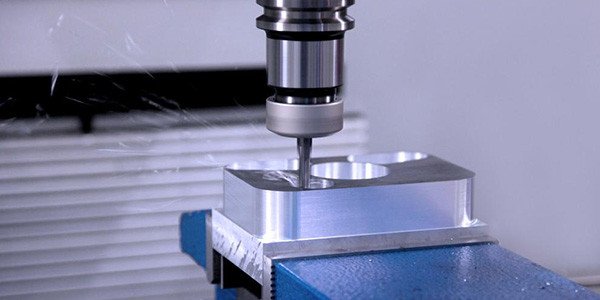
The demand for high-tolerance, geometrically complex components spans industries from aerospace and medical devices to consumer electronics and automotive engineering. Custom CNC machining refers to the subtractive manufacturing process where pre-programmed computer software dictates the movement of factory tools and machinery. Unlike standardized off-the-shelf components, custom machining allows engineers to create parts with specific geometries, tolerances, and surface finishes tailored to unique assembly requirements.
Over the past two decades, China has transitioned from a low-cost, high-volume producer to a sophisticated center for precision engineering. The “Custom CNC machining China” model is no longer solely defined by low labor costs; it is defined by vertical integration, massive industrial clustering, and an agile workforce capable of operating 5-axis milling centers and Swiss-type lathes with high efficiency. However, sourcing custom machined parts from China requires a technical understanding of the capabilities, standards (ISO, ASTM), and logistical frameworks that govern quality outcomes.
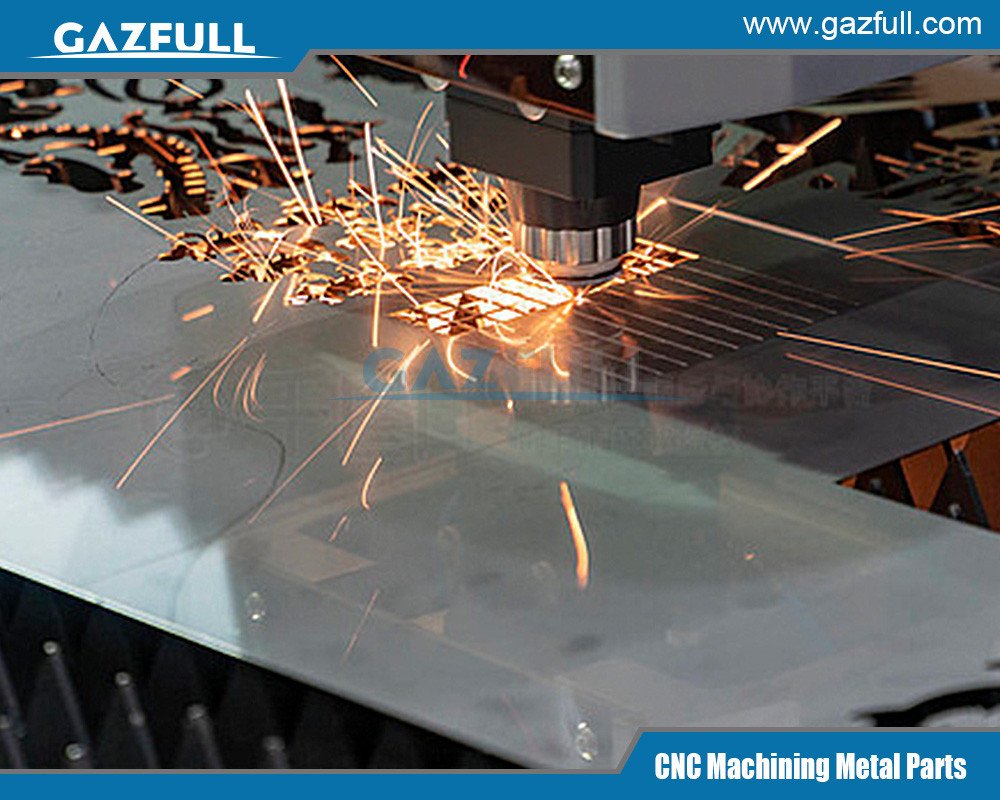
2. The Technical Landscape of CNC Machining in China
2.1 Advanced Multi-Axis Capabilities
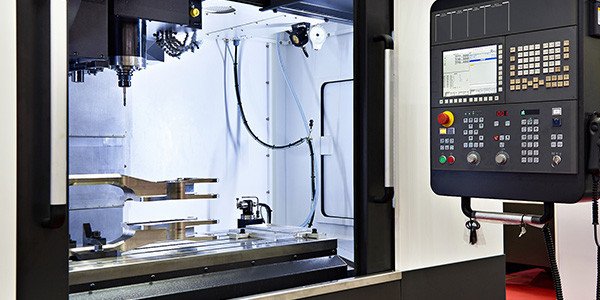
The core of custom machining lies in the number of axes available. While many Chinese job shops historically offered 3-axis milling and 2-axis turning, the current competitive landscape is defined by access to 5-axis machining centers and multi-axis turning centers.
-
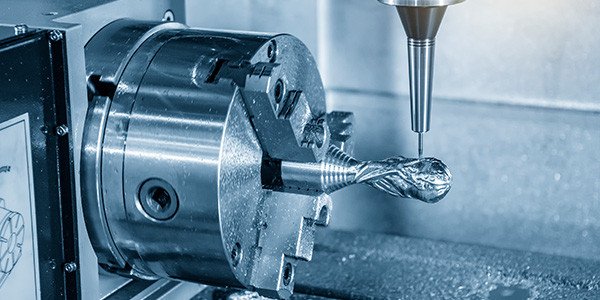
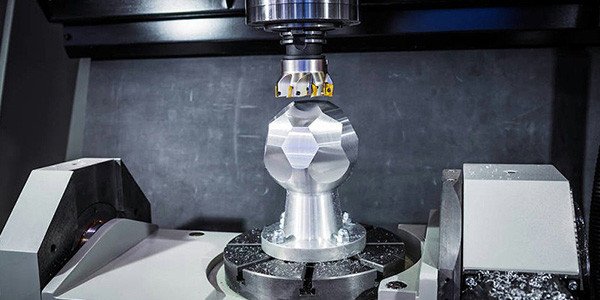
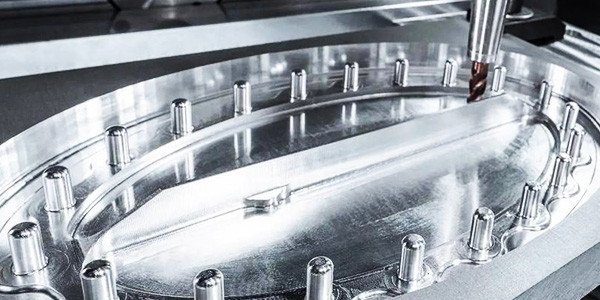
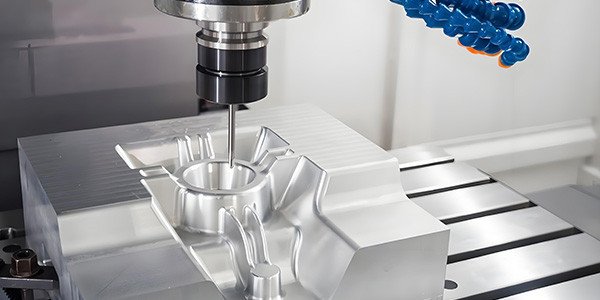
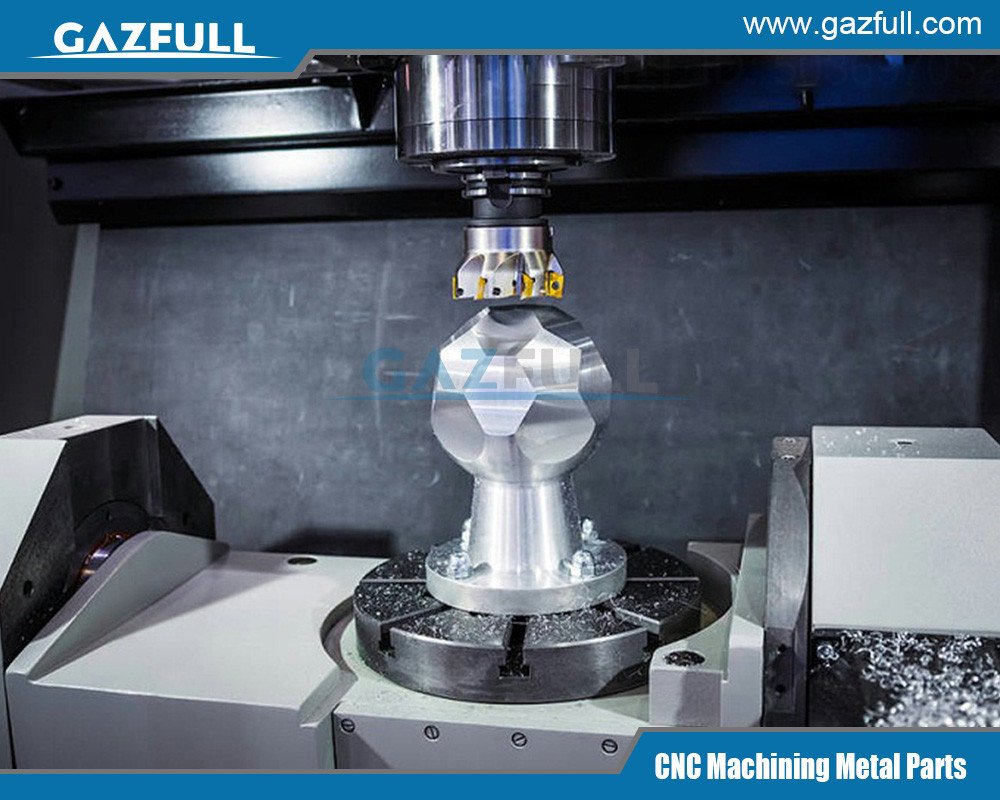
5-Axis Milling: This allows for the machining of complex organic shapes, undercuts, and intricate geometries in a single setup. Chinese suppliers specializing in aerospace and medical components have heavily invested in German and Japanese brands (e.g., DMG Mori, Mazak) as well as high-end domestic alternatives. Reducing setups through 5-axis machining not only improves geometric accuracy by minimizing fixture error but also drastically reduces lead times.
-
Swiss-Type (Sliding Head) Lathes: For miniature components used in medical devices (bone screws) or electronics, Chinese factories utilize Swiss-type lathes. These machines allow for extremely tight tolerances (±0.005 mm) on long, slender parts by supporting the material close to the cutting action.
2.2 The Industrial Clustering Effect
The efficiency of custom CNC machining in China is largely due to geographic clustering. Cities like Shenzhen (Guangdong province), Suzhou, and Ningbo have developed “manufacturing ecosystems.” Within a 50-kilometer radius, a buyer can find material suppliers (aluminum, stainless, PEEK), the machine shop, heat treatment facilities, and finishing specialists (anodizing, plating).
This proximity reduces “logistical friction.” For custom projects, this means that if a tolerance is missed during first article inspection, the feedback loop to correct the G-code or tooling is measured in hours, not days.
3. The Workflow of Custom CNC Machining
To achieve success in custom machining, one must understand the standard workflow employed by top-tier Chinese manufacturers. This workflow is increasingly digitized to interface with international clients.
3.1 Design for Manufacturability (DFM) Analysis
Unlike mass production, custom machining often involves one-off or low-volume runs. Reputable Chinese suppliers provide a DFM report before production begins. This is a critical technical step where the manufacturer reviews the client’s SolidWorks or STEP file to identify:
-
Geometric Dimensioning and Tolerancing (GD&T) conflicts: Ensuring that the specified tolerances (±0.01 mm vs. ±0.1 mm) are achievable with the selected machine and material.
-
Tool accessibility: Identifying if internal radii are too small for standard end mills or if deep cavities require specialized extended tooling.
-
Thin walls: Flagging sections where wall thickness may cause vibration (chatter) or deformation during cutting.
3.2 Material Sourcing and Verification
Custom CNC machining in China offers access to a vast inventory of domestic and international materials. Common materials include:
-
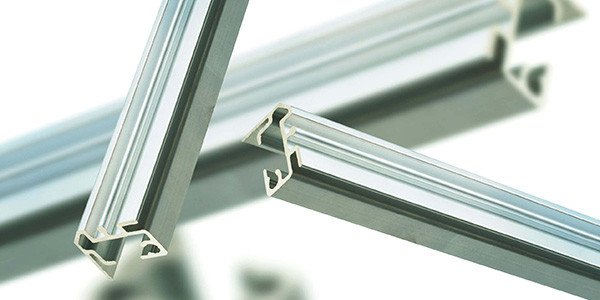
Aluminum: 6061-T6 (most common for general engineering), 7075-T6 (high-strength aerospace applications).
-
Steel: Stainless steel 303, 304, and 316L (marine/medical); tool steels like S136H for mold components.
-
Engineering Plastics: PEEK, PTFE, Acrylic, and Nylon, which require specialized tooling to prevent melting and burring.
A technical differentiator for high-quality Chinese shops is the use of material certification. Shops catering to European and US markets typically provide mill test reports (MTRs) confirming the chemical composition and mechanical properties of the raw stock, ensuring traceability required for ISO 9001:2015 or AS9100D (aerospace) compliance.
3.3 Precision and Metrology
The definition of “custom” relies heavily on measurement. Top-tier facilities employ CNC coordinate measuring machines (CMM) and optical comparators. The standard tolerance threshold for general custom machining in China is often cited as ISO 2768-m (medium), but precision shops routinely hold tolerances of ±0.005 mm for critical features.
Quality assurance protocols typically include:
-
First Article Inspection (FAI): A comprehensive inspection of the first part off the line, documented to ensure it meets all blueprint specifications before bulk production begins.
-
In-Process Inspection (IPI): Machinists often use statistical process control (SPC), measuring every 10th or 20th part to ensure tool wear is not drifting beyond tolerance limits.
4. Cost Dynamics: Beyond Labor Rates
The prevailing assumption is that China’s advantage is cheap labor. While labor is a factor, the structural cost advantages in custom CNC machining are more technical in nature.
4.1 Lower Tooling and Setup Costs
In Western countries, the cost of a skilled machinist’s time dominates the quote. In China, the cost of setup time is significantly lower. For custom jobs—particularly low-volume runs of 1 to 100 units—the setup cost often constitutes the majority of the expense. Chinese shops can afford to spend two hours setting up a machine for a complex custom part at a fraction of the cost of a US or German equivalent.
4.2 Economies of Scale in Tooling
China is a global manufacturer of cutting tools. While premium shops use Swedish (Sandvik) or Israeli (ISCAR) tooling for high-hardness materials, the vast domestic market for mid-tier carbide end mills reduces operational costs, which is passed on to the client.
4.3 Vertical Integration
Many Chinese CNC houses operate as one-stop-shops. They own the anodizing line, the powder coating booth, and the assembly team. In Western supply chains, machining, finishing, and assembly are often separate vendors, each adding their own margin and shipping cost. By consolidating these under one roof, Chinese suppliers reduce per-unit costs and eliminate transit risks between suppliers.
5. Quality Control and International Standards
One of the primary concerns for engineers sourcing custom CNC machining from China is consistency. However, the industry has matured significantly. To compete globally, top manufacturers adhere to rigorous standards.
5.1 ISO 9001:2015 and Industry Specifics
ISO 9001 is the baseline for quality management systems (QMS). However, for technical buyers, AS9100D (aerospace) and ISO 13485 (medical devices) are the gold standards. Shops holding these certifications are audited annually by bodies like TÜV or SGS. These certifications ensure that the supplier maintains strict document control, calibration records for all measuring equipment, and non-conformance reporting protocols.
5.2 Surface Finish and Post-Processing
Custom parts often require specific surface finishes. The technical vocabulary used by Chinese suppliers is crucial here.
-
As-machined: Typically yields a surface roughness of 3.2 µm Ra.
-
Bead Blasting: Provides a uniform matte finish, often used before anodizing.
-
Anodizing: Type II (clear or dyed) and Type III (hard coat) are standard. However, engineers must specify if they require RoHS compliance for the sealing chemicals used in anodizing, as environmental regulations in the EU and US differ from local standards.
-
Passivation: For stainless steel parts, passivation is critical to remove free iron and enhance corrosion resistance, especially for medical or food-grade applications.
6. Challenges and Risk Mitigation
Despite the advantages, sourcing custom CNC machining in China is not without technical and logistical risks. A strategic approach is required to mitigate these.
6.1 Communication and Technical Translation
The most common failure point is the misinterpretation of engineering drawings. Ambiguities in GD&T or notes like “break sharp edges” can lead to rejected parts. Successful sourcing relies on clear technical data packages (TDPs) . Suppliers that employ Western-trained project managers or use unified digital platforms (where the 3D model is the master, and the 2D drawing is for tolerances only) tend to have higher success rates.
6.2 Intellectual Property (IP) Protection
For custom components—especially in R&D phases—IP protection is a concern. While the legal framework in China has strengthened, practical protection involves contractual diligence. Non-disclosure agreements (NDAs) are standard, but technical protection also involves:
-
Splitting assemblies across multiple vendors so no single shop has the complete product design.
-
Working with “tier-1” suppliers who have established export relationships and value long-term client relationships over opportunistic replication.
6.3 Supply Chain Disruptions
The COVID-19 pandemic highlighted the fragility of long supply chains. However, for custom CNC machining, the “China advantage” proved resilient due to the aforementioned vertical integration. To mitigate future risks, engineering firms are adopting dual sourcing—maintaining a primary vendor in China for cost and speed, and a secondary vendor locally for critical supply chain security.
7. The Future: Automation and Industry 4.0
The Chinese custom CNC machining sector is currently undergoing a transformation driven by Industry 4.0. To combat rising labor costs and maintain precision, large-scale facilities are implementing automated cells.
-
Robotic Tending: CNC machines are increasingly paired with robotic arms for loading/unloading. This allows for “lights-out” manufacturing, where custom batches run overnight without human intervention, drastically reducing lead times for high-volume custom orders.
-
Real-Time Monitoring: Internet of Things (IoT) sensors on spindles and tool setters allow factories to monitor tool wear in real-time. If a tool is wearing down and may produce out-of-tolerance parts, the machine automatically stops or alerts a machinist, reducing scrap rates that often plague custom machining projects.
8. Conclusion
Custom CNC machining in China represents a sophisticated blend of advanced manufacturing technology, skilled labor, and supply chain efficiency. For engineering firms, the decision to source from China is no longer solely a cost-saving measure; it is a strategic move to access scalable capacity, diverse material expertise, and rapid prototyping capabilities that are often unmatched elsewhere.
However, success requires a technical partnership rather than a transactional relationship. Engineers must engage with suppliers who demonstrate robust QMS certifications (ISO 9001, AS9100), invest in metrology (CMM inspection), and provide transparent DFM feedback. By navigating the complexities of material standards, GD&T communication, and post-processing quality, organizations can leverage Chinese CNC machining to accelerate time-to-market, reduce capital expenditure on tooling, and maintain competitive advantage in high-precision industries.
As China continues to invest in automation and precision engineering, its role as the global hub for custom CNC machining is likely to deepen, provided that international buyers maintain rigorous technical oversight and collaborative engineering relationships.
Choose Gazfull CNC Machining Services
At Gazfull, we specialize in providing machining services that go beyond traditional manufacturing. We aim to optimize your processes and reduce production expenses while delivering high-quality results. Our expertise and state-of-the-art 3-axis cutting systems also enable us to handle all your custom needs efficiently and precisely.
For more about custom CNC machining china: precision, scalability, and the dynamics of global sourcing, you can pay a visit to Gazfull at https://www.gazfull.com/services/ for more info.