CNC Machining Metal Parts +86-18169936698
Introduction
In modern manufacturing, the demand for high precision, durability, and cost-effective metal components continues to grow across industries such as automotive, aerospace, electronics, industrial machinery, and consumer goods. One of the most efficient and widely used manufacturing processes to meet these requirements is die casting. A custom die casting factory plays a critical role in producing high quality metal parts that meet strict engineering specifications, complex geometries, and large-scale production needs.
This article provides a comprehensive technical overview of custom die casting factories, covering processes, materials, advantages, applications, quality control systems, and key considerations for selecting a reliable manufacturing partner.

What Is Custom Die Casting?
Custom die casting is a manufacturing process in which molten metal is injected under high pressure into a steel mold (called a die) to produce precise, complex, and repeatable metal parts. Unlike standard mass-produced components, custom die casting is tailored to specific customer designs, tolerances, and functional requirements.
A custom die casting factory specializes in developing unique molds and production processes based on client drawings or 3D models. These factories support both prototype development and large-scale production.
The Die Casting Process Explained
The die casting process typically involves several key stages:
1. Mold Design and Tooling
The process begins with engineering design and mold development. Using CAD software and simulation tools, engineers design a die that can withstand high pressure and repeated cycles. Tooling is one of the most critical steps, as mold accuracy directly determines product quality.
2. Metal Melting
Common metals used in die casting include aluminum, zinc, magnesium, and copper alloys. These metals are melted in furnaces at controlled temperatures to ensure consistency in fluidity and composition.
3. Injection into Mold
Molten metal is injected into the steel die cavity at extremely high pressure (typically 1,500–25,000 psi). This ensures the metal fills even the most complex geometries of the mold.
4. Cooling and Solidification
The metal cools rapidly inside the mold, forming a solid part. Cooling time is carefully controlled to ensure dimensional stability and mechanical strength.
5. Ejection
Once solidified, the die opens and ejector pins push the part out of the mold.
6. Trimming and Finishing
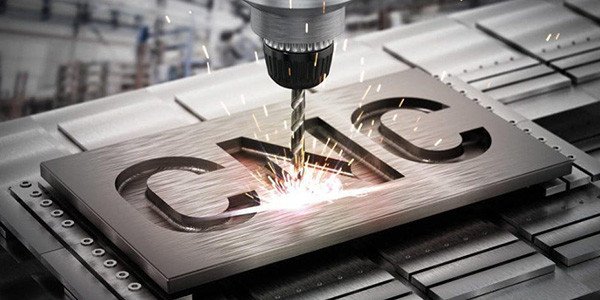
Excess material (flash) is removed, and the part may undergo additional processes such as CNC machining, polishing, anodizing, powder coating, or surface treatment.
Types of Die Casting Processes
Custom die casting factories typically offer different methods depending on product requirements:
High-Pressure Die Casting (HPDC)
This is the most common method, ideal for mass production of aluminum and zinc parts with excellent surface finish and dimensional accuracy.
Low-Pressure Die Casting (LPDC)
Used for larger and more structural components, especially in the automotive and aerospace industries.
Gravity Die Casting
Molten metal is poured into the mold using gravity rather than pressure, suitable for medium-strength parts with lower complexity.
Vacuum Die Casting
A more advanced process that removes air from the mold cavity to reduce porosity and improve mechanical strength.
Materials Used in Custom Die Casting
A professional die casting factory works with various non-ferrous metals:
Aluminum Alloys
Aluminum is lightweight, corrosion-resistant, and has excellent thermal conductivity. It is widely used in automotive parts, electronics housings, and industrial equipment.
Zinc Alloys
Zinc offers excellent strength, precision, and surface finish. It is commonly used for small, detailed components.
Magnesium Alloys
Magnesium is the lightest structural metal, ideal for aerospace and portable electronics applications.
Copper Alloys
Copper-based materials provide high strength and electrical conductivity, suitable for electrical components and connectors.
Advantages of Custom Die Casting
A custom die casting factory provides several important benefits:
High Precision and Tight Tolerances
Die casting enables the production of complex parts with very tight dimensional tolerances, often eliminating the need for additional machining.
Excellent Surface Finish
Parts produced through die casting have smooth surfaces, reducing or eliminating post-processing requirements.
High Production Efficiency
Once the mold is created, production cycles are extremely fast, allowing thousands of identical parts to be produced efficiently.
Cost-Effective for Large Volumes
Although tooling costs are relatively high, the per-unit cost becomes very low in mass production.
Strong Mechanical Properties
Die cast parts have good strength, durability, and wear resistance, especially when properly engineered and heat-treated.
Applications of Die Cast Metal Parts
Custom die casting is widely used across multiple industries:
Automotive Industry
Engine components, transmission housings, brackets, and structural parts are commonly produced using die casting due to the need for strength and precision.
Electronics Industry
Enclosures, heat sinks, connectors, and device housings rely on die casting for thermal management and compact design.
Aerospace Industry
Lightweight magnesium and aluminum parts are essential for aircraft performance and fuel efficiency.
Industrial Machinery
Pump housings, gearboxes, and mechanical frames benefit from durable die-cast components.
Consumer Products
From power tools to home appliances, die casting provides aesthetic and functional metal parts.
Custom Die Casting Factory Capabilities
A high-quality factory typically offers full-service manufacturing solutions:
Engineering Support
Factories assist with product design optimization, material selection, and manufacturability analysis.
Tooling Development
In-house mold design and manufacturing ensure fast turnaround and cost control.
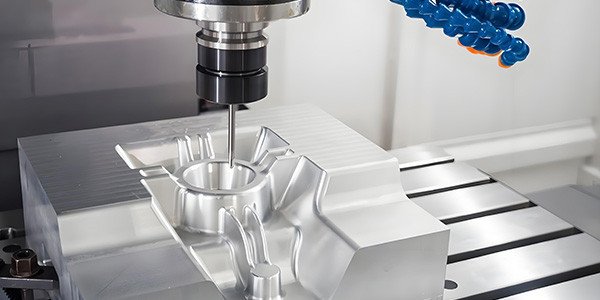
CNC Machining
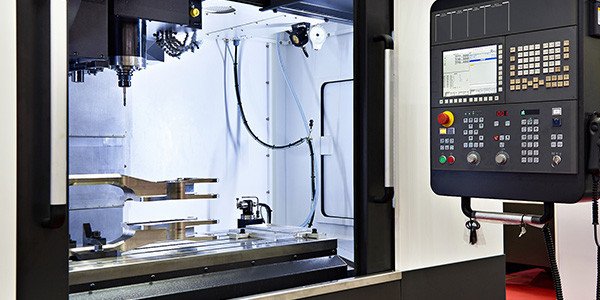
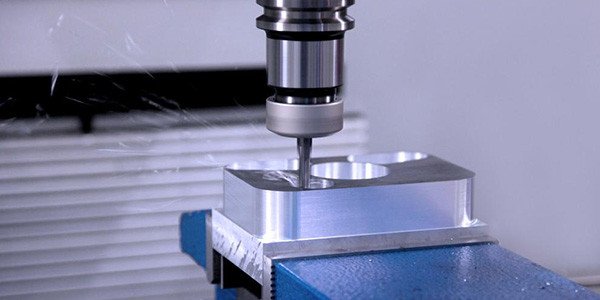
Post-casting machining ensures tighter tolerances and improved functionality.
Surface Treatment
Options include anodizing, plating, powder coating, painting, and polishing.
Assembly Services
Some factories provide full assembly solutions for finished products.
Quality Control in Die Casting Production
Quality assurance is essential in ensuring consistent performance and reliability.
Incoming Material Inspection
Raw materials are tested for chemical composition and purity.
Process Monitoring
Temperature, pressure, and injection speed are continuously controlled during production.
Dimensional Inspection
Coordinate measuring machines (CMM) are used to verify part accuracy.
Non-Destructive Testing (NDT)
Methods such as X-ray inspection detect internal defects like porosity or cracks.
Mechanical Testing
Tensile strength, hardness, and fatigue tests ensure compliance with specifications.
Challenges in Die Casting Manufacturing
Despite its advantages, die casting also presents challenges:
Porosity Issues
Air trapped during injection can cause internal defects if not properly controlled.
High Tooling Costs
Mold development requires significant upfront investment.
Material Limitations
Not all metals are suitable for die casting due to melting point or fluidity constraints.
Design Complexity
Poor design can lead to manufacturing defects or inefficient production cycles.
Innovations in Modern Die Casting Factories
Advanced factories are adopting new technologies to improve performance:
Simulation Software
Mold flow simulation helps predict defects before production begins.
Automation and Robotics
Automated pouring, extraction, and trimming improve efficiency and consistency.
Smart Manufacturing Systems
IoT-based monitoring systems track production data in real time.
Sustainable Production
Energy-efficient furnaces and recyclable materials reduce environmental impact.
How to Choose a Custom Die Casting Factory
Selecting the right manufacturing partner is critical. Key factors include:
Technical Expertise
Look for factories with strong engineering capabilities and experience in your industry.
Production Capacity
Ensure the factory can handle your required volume and delivery timeline.
Quality Standards
Certifications such as ISO 9001 or IATF 16949 indicate strong quality systems.
Equipment and Technology
Modern machinery ensures better precision and efficiency.
Communication and Support
Responsive communication is essential for smooth project development.
Future Trends in Die Casting Industry
The die casting industry continues to evolve with technological advancement:
- Increased use of lightweight alloys for electric vehicles
- Integration of AI in quality inspection
- Growth of 3D-printed mold components
- Expansion of sustainable and low-carbon manufacturing
- Demand for higher precision in miniaturized components
These trends indicate that custom die casting factories will play an even more important role in global manufacturing.
Conclusion
A custom die casting factory is a vital partner in modern industrial production, offering precision-engineered metal parts that meet demanding performance and quality standards. Through advanced tooling, controlled production processes, and strict quality assurance systems, these factories deliver high efficiency and cost-effective solutions for a wide range of industries.
As manufacturing continues to evolve, companies that collaborate with experienced die casting partners will gain a significant advantage in product performance, scalability, and market competitiveness. Whether for automotive, electronics, aerospace, or industrial applications, custom die casting remains one of the most reliable and efficient methods for high quality metal parts production.
Choose Gazfull CNC Machining Services
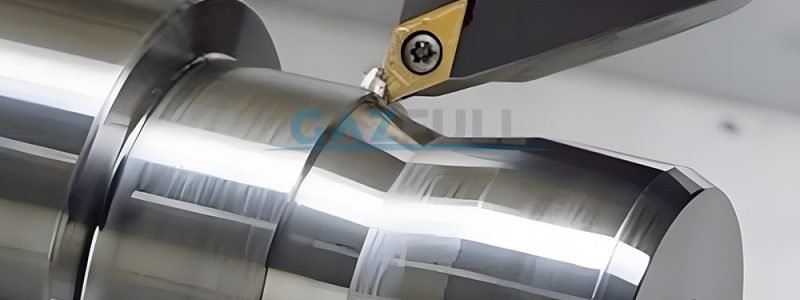
At Gazfull, we specialize in providing machining services that go beyond traditional manufacturing. We aim to optimize your processes and reduce production expenses while delivering high-quality results. Our expertise and state-of-the-art 3-axis cutting systems also enable us to handle all your custom needs efficiently and precisely.
For more about custom die casting factory for high quality metal parts production, you can pay a visit to Gazfull at https://www.gazfull.com/services/ for more info.