CNC Machining Metal Parts +86-18169936698
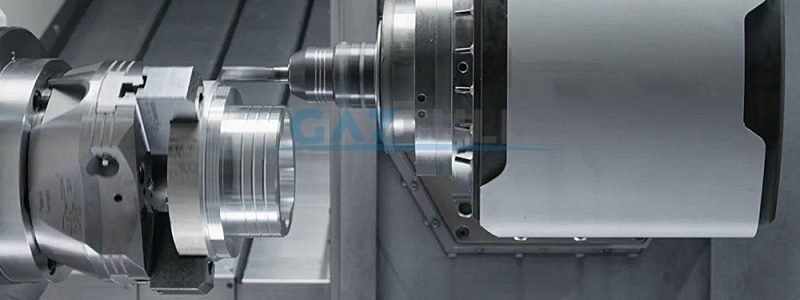
In today’s high-precision manufacturing industry, the demand for complex metal components is growing rapidly across sectors such as aerospace, semiconductor equipment, medical devices, automotive engineering, robotics, energy systems, and industrial automation. Traditional machining methods often struggle to meet the increasingly strict requirements for dimensional accuracy, surface finish, geometric complexity, and production efficiency. As a result, advanced five-axis CNC machining metal fabrication services have become a critical solution for manufacturing sophisticated metal parts with exceptional precision and reliability.
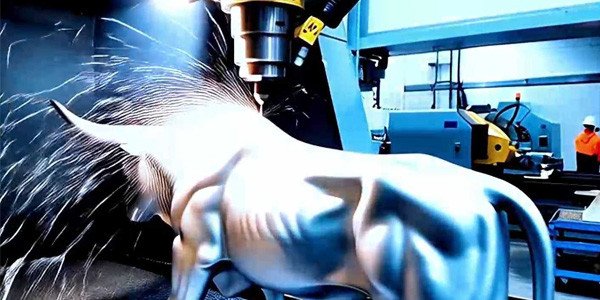
Five-axis CNC machining technology represents one of the most advanced forms of modern manufacturing. Compared with conventional three-axis machining, five-axis systems allow simultaneous movement along five different axes, enabling the cutting tool to approach the workpiece from multiple angles in a single setup. This capability significantly improves machining flexibility, reduces production time, enhances accuracy, and makes it possible to manufacture highly intricate components that would otherwise be difficult or impossible to produce.
Understanding Five-Axis CNC Machining
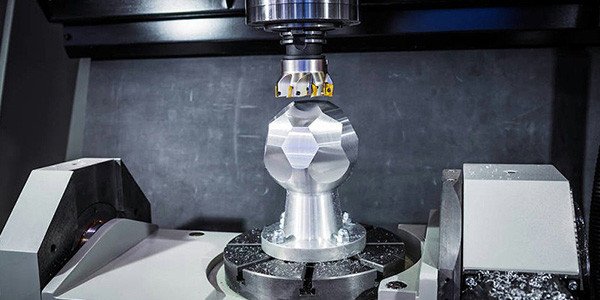
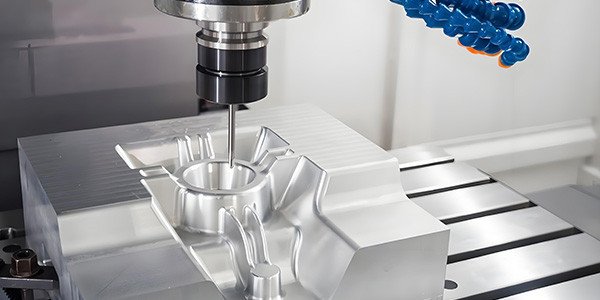
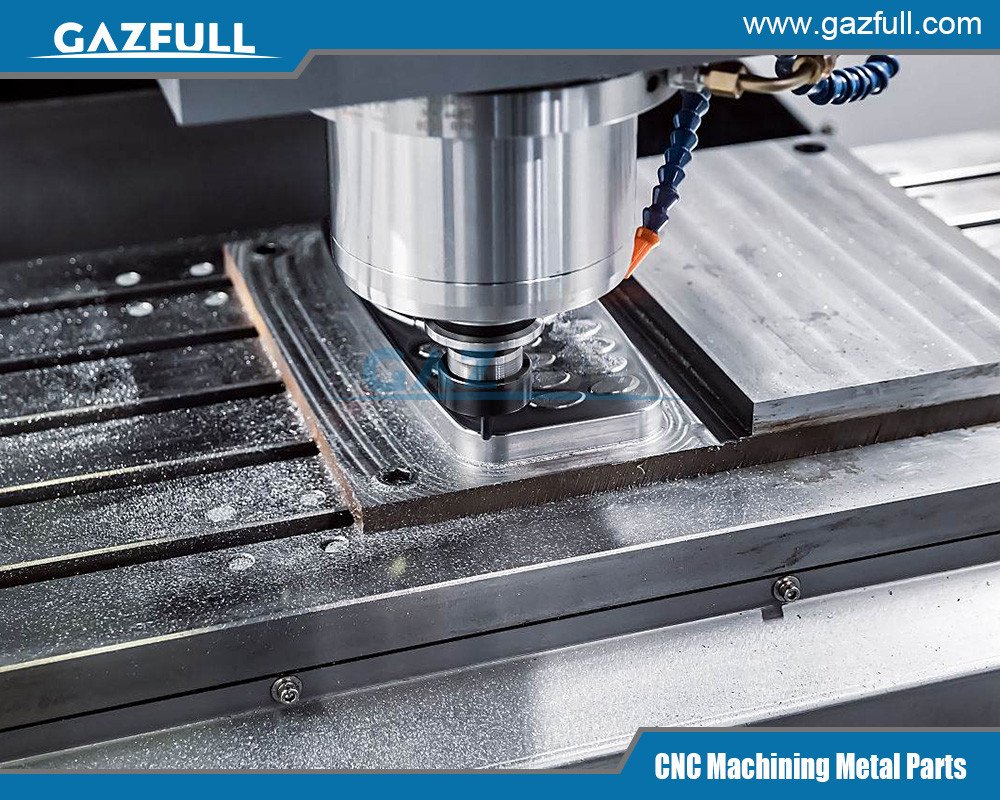
Five-axis CNC machining metal fabrication service refers to a computer-controlled manufacturing process in which the cutting tool or workpiece moves along five different axes simultaneously. In addition to the standard X, Y, and Z linear axes, the machine incorporates two rotational axes, commonly referred to as the A and B axes or B and C axes, depending on the machine configuration.
This advanced movement capability allows manufacturers to machine highly complex geometries with fewer setups. The cutting tool can maintain the optimal angle relative to the workpiece surface, which improves cutting performance, reduces tool wear, and produces superior surface quality.
There are generally two main types of five-axis machining systems:
- 3+2 Positioning Five-Axis Machining
The workpiece is positioned using two rotational axes and then machined using three linear axes. This method is ideal for parts requiring multiple angled surfaces. - Simultaneous Five-Axis Machining
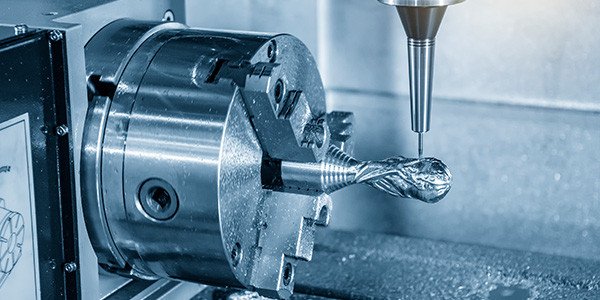
All five axes move continuously during the machining process. This method is used for highly complex freeform surfaces, turbine blades, impellers, medical implants, and aerospace components.
The integration of advanced CAD/CAM software further enhances five-axis machining capabilities by enabling precise toolpath generation, collision detection, and optimized machining strategies.
Advantages of Five-Axis CNC Machining for Complex Metal Parts
Exceptional Geometric Flexibility
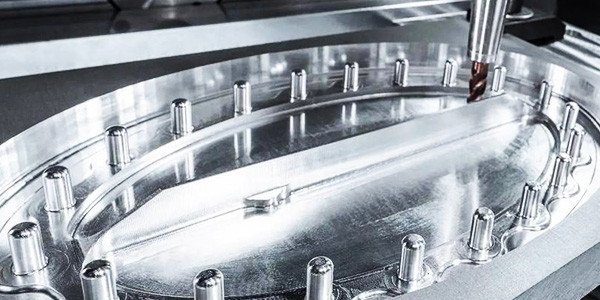
One of the greatest advantages of five-axis machining is the ability to manufacture highly complex geometries. Components with deep cavities, curved surfaces, undercuts, compound angles, and intricate contours can be machined efficiently without repositioning the workpiece multiple times.
Industries such as aerospace and semiconductor manufacturing often require parts with extremely complicated structures that demand ultra-precise machining. Five-axis systems enable the production of these advanced components with consistent quality and accuracy.
Reduced Setup Time and Improved Accuracy
Traditional machining processes often require multiple setups to access different sides of a component. Each repositioning introduces the possibility of alignment errors and dimensional inconsistencies.
Five-axis machining minimizes these issues by allowing multiple surfaces to be machined in a single setup. This significantly reduces cumulative tolerance errors and improves overall dimensional accuracy. Fewer setups also reduce production time and labor costs.
Superior Surface Finish
Maintaining the optimal cutting angle throughout the machining process improves surface quality and reduces visible tool marks. Shorter cutting tools can also be used because the machine can approach difficult areas more effectively.
This leads to smoother surface finishes, lower vibration levels, and reduced secondary finishing requirements such as polishing or grinding.
Enhanced Tool Life
Five-axis machining allows for better tool positioning and optimized cutting conditions. The cutting load is distributed more evenly across the tool, reducing localized wear and extending tool life.
Longer tool life contributes to lower tooling costs and improved manufacturing efficiency, especially in high-volume production environments.
Faster Production Cycles
By reducing setups, minimizing manual intervention, and enabling more efficient cutting paths, five-axis machining significantly shortens production cycles. Manufacturers can deliver parts faster while maintaining strict quality standards.
This is especially important for industries with rapid product development cycles and high market demands.
Applications of Five-Axis CNC Machining in Different Industries
Aerospace Industry
The aerospace sector requires components with extremely tight tolerances, lightweight structures, and complex aerodynamic geometries. Five-axis machining is widely used to manufacture turbine blades, engine components, structural brackets, housings, and titanium aerospace parts.
The ability to machine complex curved surfaces and hard-to-machine materials makes five-axis technology essential for aerospace manufacturing.
Semiconductor Equipment Manufacturing
Semiconductor production equipment requires ultra-high precision metal components with exceptional surface cleanliness and dimensional stability. Complex gas delivery manifolds, vacuum chambers, valve bodies, and precision fittings are commonly produced using advanced CNC machining technologies.
Five-axis machining ensures high repeatability and precision, which are critical for semiconductor process reliability.
Medical Device Manufacturing
Medical implants and surgical instruments often feature highly complex geometries and strict biocompatibility requirements. Five-axis CNC machining is ideal for manufacturing orthopedic implants, dental components, spinal devices, and surgical tools from materials such as titanium and stainless steel.
The technology enables precise contouring and smooth surface finishes required for medical applications.
Automotive and Electric Vehicle Industry
Modern automotive manufacturing increasingly relies on lightweight, high-performance metal components. Five-axis machining supports the production of engine parts, transmission housings, battery system components, suspension parts, and prototype parts for electric vehicles.
Its efficiency and precision help manufacturers achieve higher performance standards while reducing production costs.
Energy and Industrial Equipment
Industries such as oil and gas, renewable energy, and industrial automation require durable metal components capable of operating in harsh environments. Five-axis machining is used to manufacture valves, pump housings, impellers, heat exchanger components, and precision industrial parts.
The technology enables accurate machining of complex internal structures and difficult materials.
Materials Commonly Used in Five-Axis CNC Machining
Advanced five-axis machining services support a wide range of engineering materials to meet various industrial requirements.
Stainless Steel
Stainless steel is widely used for its corrosion resistance, strength, and durability. Common grades include SS304, SS316, and duplex stainless steel.
Applications include semiconductor equipment, food processing systems, medical devices, and chemical processing equipment.
Aluminum Alloys
Aluminum offers excellent machinability, lightweight properties, and thermal conductivity. Popular grades include 6061, 7075, and 2024 aluminum.
It is commonly used in aerospace structures, automotive components, and electronics enclosures.
Titanium Alloys
Titanium provides exceptional strength-to-weight ratio and corrosion resistance. It is frequently used in aerospace and medical industries.
However, titanium is difficult to machine due to its low thermal conductivity and high cutting temperatures, making five-axis machining particularly advantageous.
Brass and Copper
Brass and copper materials are widely used in electrical systems, fluid control systems, and precision fittings due to their excellent conductivity and corrosion resistance.
High-Performance Engineering Plastics
In addition to metals, five-axis machining can also process engineering plastics such as PEEK, PTFE, Delrin, and PVC for specialized industrial applications.
Importance of Precision and Quality Control
Precision is one of the most critical factors in advanced metal fabrication services. Even minor dimensional deviations can lead to assembly failures, reduced product performance, or operational risks.
Professional five-axis machining manufacturers implement strict quality control procedures throughout the production process.
Advanced Inspection Equipment
Modern machining facilities utilize high-precision inspection instruments, including:
- Coordinate Measuring Machines (CMM)
- Optical measurement systems
- Surface roughness testers
- Laser inspection equipment
- Digital micrometers and gauges
These systems ensure that every component meets customer specifications and international quality standards.
CAD/CAM Integration
Advanced CAD/CAM software plays a vital role in five-axis machining operations. Engineers use digital models to simulate machining processes, optimize toolpaths, and eliminate potential collisions before production begins.
This reduces errors, improves consistency, and enhances manufacturing efficiency.
ISO Quality Management Standards
Reliable machining service providers often operate under internationally recognized quality management systems such as ISO 9001. These standards ensure traceability, process control, and continuous improvement throughout manufacturing operations.
Challenges in Five-Axis CNC Machining
Although five-axis machining offers significant advantages, it also presents several technical challenges.
Programming Complexity
Generating efficient five-axis toolpaths requires advanced CAM software and experienced programmers. Complex geometries demand careful planning to avoid collisions and optimize cutting performance.
High Equipment Investment
Five-axis CNC machines are considerably more expensive than traditional machining centers. The investment includes advanced control systems, precision tooling, software, and skilled operators.
However, the long-term benefits in productivity and precision often justify the initial cost.
Skilled Workforce Requirements
Operating and programming five-axis machines require specialized technical knowledge. Manufacturers must invest in employee training and engineering expertise to maximize production efficiency.
Future Trends in Advanced CNC Machining
The future of five-axis CNC machining continues to evolve with advancements in automation, artificial intelligence, and smart manufacturing technologies.
Automation and Robotics
Automated material handling systems and robotic loading solutions are increasingly integrated into CNC production lines to improve efficiency and reduce labor dependency.
Digital Manufacturing and Industry 4.0
Modern machining facilities are adopting Industry 4.0 technologies such as real-time machine monitoring, predictive maintenance, and cloud-based manufacturing data analysis.
These innovations improve operational efficiency, reduce downtime, and enhance production transparency.
Hybrid Manufacturing Technologies
Some manufacturers are combining additive manufacturing with CNC machining to create hybrid production systems capable of producing highly complex components with reduced material waste.
Choosing the Right Five-Axis CNC Machining Service Provider
Selecting an experienced machining partner is essential for ensuring product quality and manufacturing success. Important factors to consider include:
- Technical expertise and engineering support
- Advanced machining capabilities
- Material processing experience
- Quality management certifications
- Precision inspection equipment
- Customization flexibility
- On-time delivery performance
- Competitive pricing
A professional metal fabrication partner should be capable of supporting projects from prototype development to mass production while maintaining consistent quality standards.
Conclusion
Advanced five-axis CNC machining metal fabrication services play a vital role in modern precision manufacturing. With the ability to produce highly complex metal components with exceptional accuracy, efficiency, and surface quality, five-axis machining has become an indispensable technology across aerospace, semiconductor, medical, automotive, and industrial sectors.
As manufacturing demands continue to increase, companies that invest in advanced CNC machining capabilities will gain significant advantages in product quality, production speed, and market competitiveness. By combining sophisticated machinery, skilled engineering expertise, and strict quality control systems, professional five-axis machining service providers can deliver reliable solutions for the most challenging metal fabrication projects.
Choose Gazfull CNC Machining Services
At Gazfull, we specialize in providing machining services that go beyond traditional manufacturing. We aim to optimize your processes and reduce production expenses while delivering high-quality results. Our expertise and state-of-the-art 3-axis cutting systems also enable us to handle all your custom needs efficiently and precisely.
For more about advanced five-axis CNC machining metal fabrication service for complex metal parts, you can pay a visit to Gazfull at https://www.gazfull.com/services/ for more info.