CNC Machining Metal Parts +86-18169936698

In today’s highly competitive manufacturing environment, precision, efficiency, and reliability are critical factors in the production of industrial equipment. From semiconductor systems and chemical processing machinery to automation assemblies and aerospace components, manufacturers require high-quality parts that meet strict dimensional tolerances and performance standards. This is where CNC milling services play a vital role.
Computer Numerical Control (CNC) milling has transformed modern manufacturing by enabling the production of complex, high-precision components with excellent consistency and repeatability. Industrial equipment manufacturers rely on CNC milling technology to produce durable metal and plastic parts for demanding applications where accuracy and reliability cannot be compromised.
This article explores the importance of CNC milling services for industrial equipment, including the manufacturing process, materials, advantages, applications, and key factors to consider when selecting a CNC machining partner.
What Are CNC Milling Services?
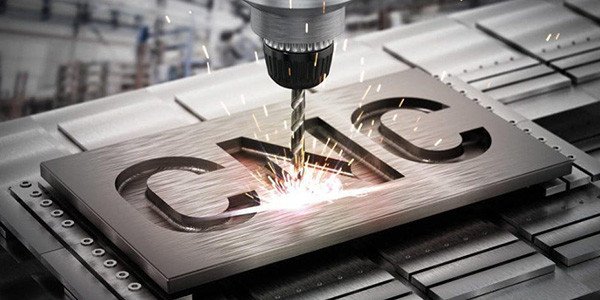
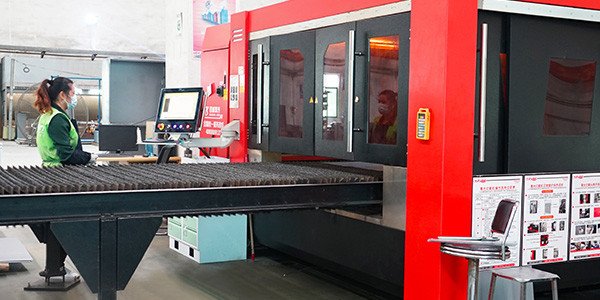
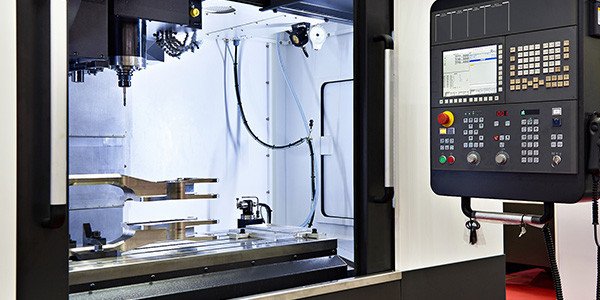
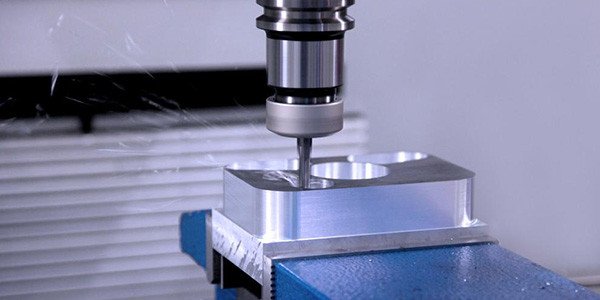
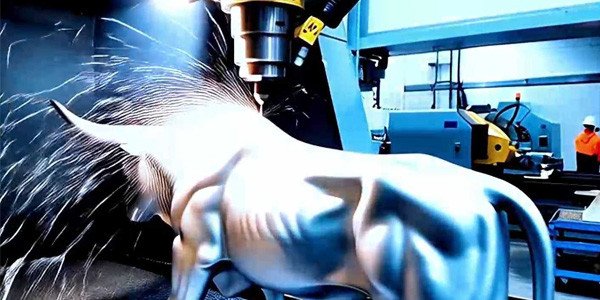
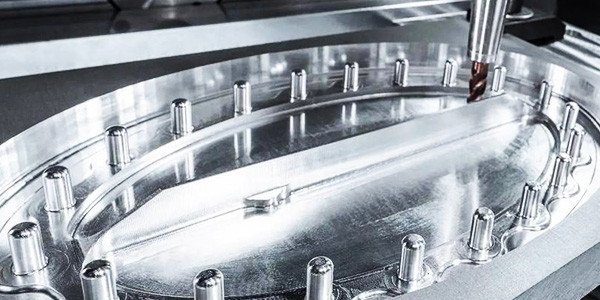
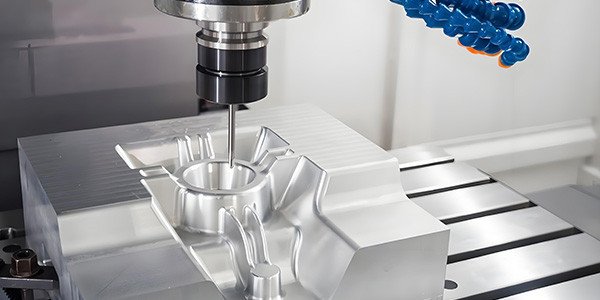
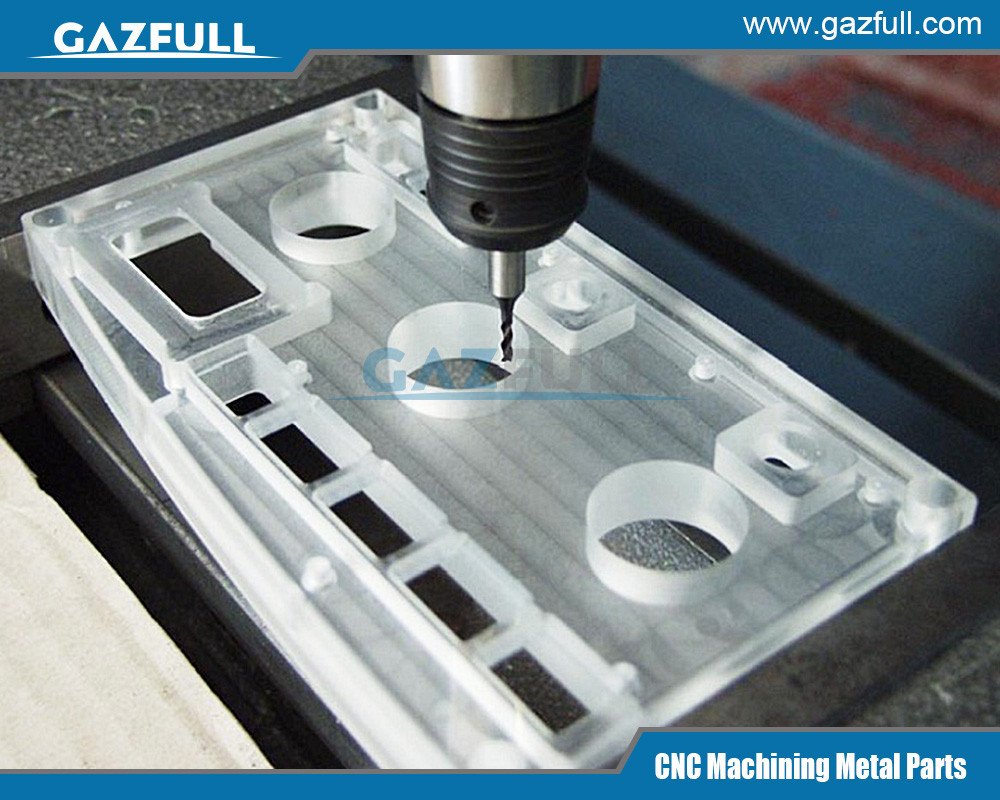
CNC milling services involve the use of computer-controlled milling machines to remove material from a workpiece and create precise shapes, holes, slots, and surface features. The machining process is controlled through programmed software instructions, allowing manufacturers to achieve extremely accurate and repeatable results.
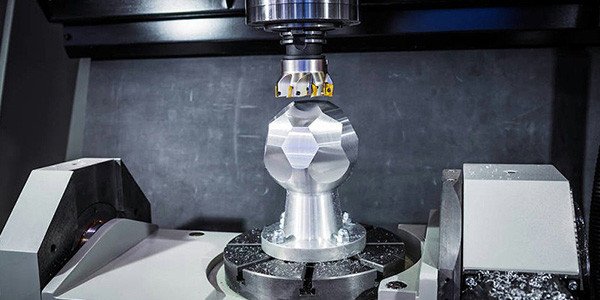
Unlike manual machining, CNC milling automates the cutting process, reducing human error while improving production speed and efficiency. CNC mills can operate on multiple axes, including 3-axis, 4-axis, and 5-axis systems, enabling the production of highly complex geometries.
Industrial equipment manufacturers commonly use CNC milling for:
- Precision mechanical components
- Valve bodies and manifolds
- Semiconductor equipment parts
- Automation system components
- Pump housings
- Custom brackets and fixtures
- High-purity gas and fluid system components
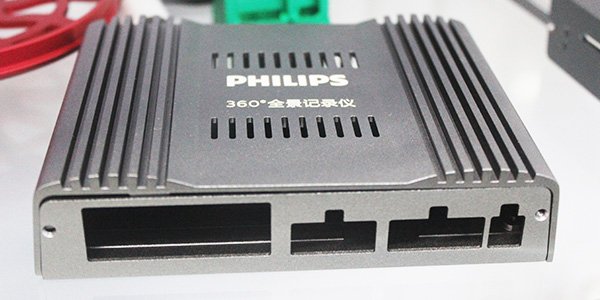
- Heat sinks and structural assemblies
Because industrial equipment often operates in harsh environments involving high pressure, corrosive chemicals, or extreme temperatures, CNC-machined parts must meet strict quality standards.
How CNC Milling Works
The CNC milling process begins with a digital CAD (Computer-Aided Design) model created by engineers or product designers. This design is then converted into CAM (Computer-Aided Manufacturing) instructions that guide the CNC machine during production.
The typical CNC milling workflow includes:
1. CAD Design Creation
Engineers create a detailed 3D model of the component, specifying dimensions, tolerances, and material requirements.
2. CAM Programming
The CAD file is converted into machine-readable G-code that controls tool paths, spindle speeds, cutting depth, and feed rates.
3. Material Preparation
The selected raw material is securely mounted onto the machine table or fixture.
4. Precision Machining
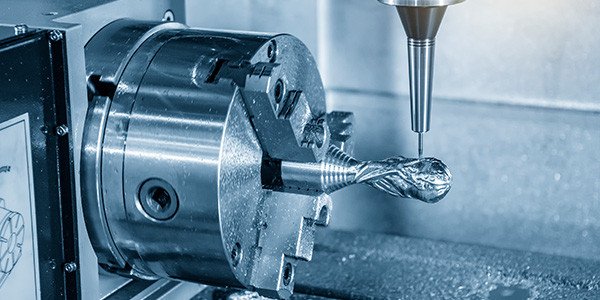
Rotating cutting tools remove material according to the programmed instructions. Multi-axis machines can perform complex operations from multiple angles without repositioning the part.
5. Finishing and Inspection
After machining, components may undergo surface finishing processes such as polishing, anodizing, passivation, or electropolishing. Final inspection ensures compliance with dimensional and quality standards.
Modern CNC milling systems are capable of achieving tolerances as tight as ±0.001 mm depending on the application requirements.
Advantages of CNC Milling Services for Industrial Equipment
High Precision and Accuracy
Industrial equipment requires components with exact specifications to ensure reliable system performance. CNC milling delivers exceptional dimensional accuracy and repeatability, which is essential for applications such as semiconductor manufacturing, medical devices, and aerospace systems.
Excellent Repeatability
One of the biggest advantages of CNC machining is its ability to consistently reproduce identical parts in large production runs. This ensures stable product quality while reducing variability.
Complex Geometry Capability
Advanced 5-axis CNC milling machines can manufacture highly complex components that would be difficult or impossible using conventional machining methods.
Wide Material Compatibility
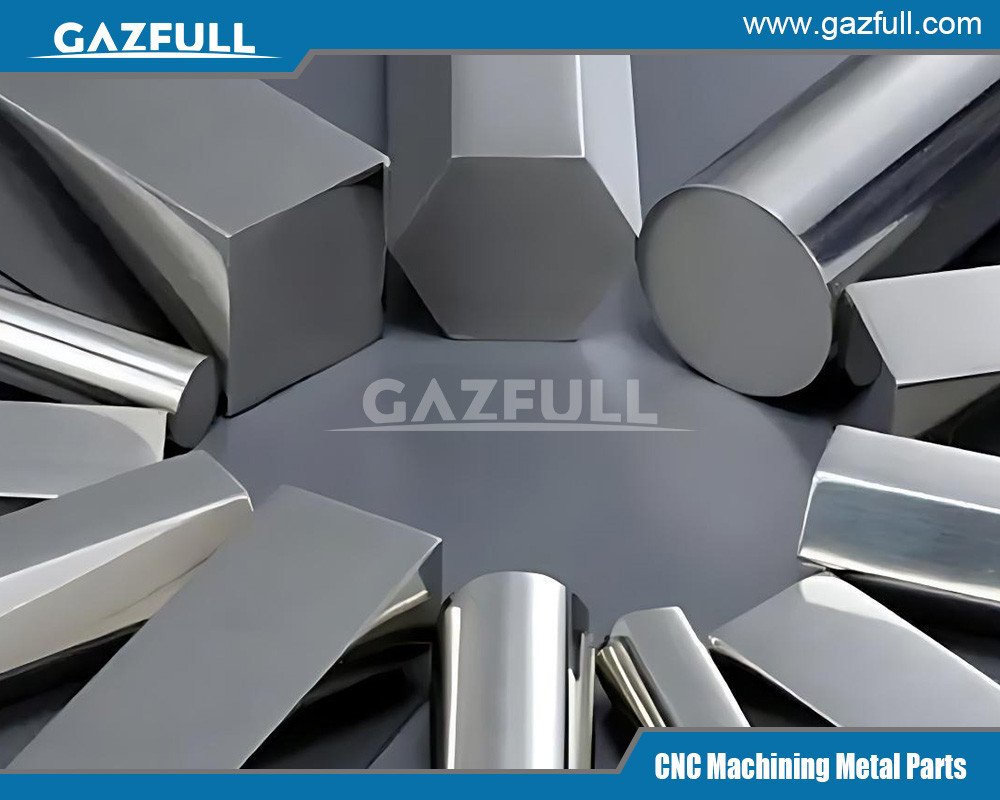
CNC milling supports a broad range of materials, including:
- Stainless steel
- Aluminum
- Brass
- Copper
- Titanium
- Carbon steel
- PEEK
- PTFE
- Engineering plastics
This flexibility allows manufacturers to select the best material for specific industrial environments.
Faster Production Efficiency
Automated machining processes significantly reduce production time compared to manual manufacturing methods. This improves lead times and supports rapid prototyping and mass production.
Reduced Human Error
Computer-controlled machining minimizes operator-related inconsistencies and enhances manufacturing reliability.
Cost-Effective Manufacturing
Although CNC machines require significant initial investment, they reduce long-term production costs through automation, improved efficiency, and minimized material waste.
Common Materials Used in CNC Milling
Selecting the right material is critical for industrial equipment performance. Different applications require specific mechanical, thermal, and chemical properties.
Stainless Steel
Stainless steel is widely used due to its corrosion resistance, durability, and strength. Grades such as SS304 and SS316 are common in chemical processing and semiconductor applications.
Aluminum
Aluminum offers lightweight characteristics, excellent machinability, and strong corrosion resistance. It is commonly used in automation systems and structural components.
Brass and Copper
These materials provide excellent electrical and thermal conductivity, making them suitable for fluid systems, electrical equipment, and heat transfer applications.
Titanium
Titanium is valued for its high strength-to-weight ratio and superior corrosion resistance, especially in aerospace and medical industries.
Engineering Plastics
Materials such as PEEK, PTFE, Delrin, and UHMW are used when chemical resistance, insulation, or lightweight properties are required.
CNC Milling Applications in Industrial Equipment
CNC milling services support a wide range of industrial sectors and applications.
Semiconductor Manufacturing Equipment
Semiconductor production requires ultra-high precision components with strict cleanliness standards. CNC milling is used to manufacture:
- Gas delivery system components
- Vacuum chamber parts
- Precision manifolds
- Wafer handling assemblies
- UHP valve components
High-purity stainless steel and aluminum are commonly used in semiconductor applications.
Chemical Processing Systems
Chemical industries require corrosion-resistant components capable of handling aggressive fluids and gases. CNC-machined parts include:
- Pump housings
- Flow control manifolds
- Valve blocks
- Chemical dispensing systems
- Scrubber components
Automation and Robotics
Automation systems depend on precision mechanical assemblies to ensure smooth motion and accurate positioning. CNC milling is used to produce:
- Mounting brackets
- Linear motion components
- Sensor housings
- Robot arm parts
- Custom fixtures
Aerospace Equipment
Aerospace applications demand lightweight yet high-strength components with extremely tight tolerances. CNC milling is widely used for:
- Structural parts
- Engine components
- Hydraulic system parts
- Precision connectors
Energy and Power Generation
Industrial energy systems require durable components capable of withstanding high temperatures and pressure conditions. CNC milling supports the production of:
- Turbine components
- Heat exchanger parts
- Pressure control systems
- Fluid transfer assemblies
Importance of Precision in Industrial CNC Milling
Precision machining is especially important for industrial equipment because even minor dimensional deviations can affect system performance, safety, and reliability.
For example:
- Improper sealing surfaces may cause gas or liquid leaks
- Misaligned assemblies can increase equipment wear
- Poor surface finishes may introduce contamination risks
- Incorrect tolerances can reduce operational efficiency
In industries such as semiconductor manufacturing and pharmaceutical processing, micron-level accuracy is often required to maintain process stability and cleanliness.
This is why professional CNC milling providers invest heavily in advanced inspection equipment, including:
- Coordinate Measuring Machines (CMM)
- Optical inspection systems
- Surface roughness testers
- Precision calipers and gauges
Quality control procedures ensure every component meets customer specifications.
Surface Finishing Options for CNC-Machined Parts
Surface finishing plays an important role in improving appearance, corrosion resistance, cleanliness, and wear performance.
Common finishing options include:
Anodizing
Widely used for aluminum parts to improve corrosion resistance and surface hardness.
Electropolishing
Often applied to stainless steel components in semiconductor and pharmaceutical applications to create ultra-clean surfaces.
Passivation
Enhances corrosion resistance by removing free iron contaminants from stainless steel surfaces.
Powder Coating
Provides protective and decorative finishes for industrial equipment components.
Sandblasting
Creates uniform surface textures and removes machining marks.
Selecting the correct finishing process depends on the intended application environment and performance requirements.
Factors to Consider When Choosing CNC Milling Services
Choosing the right CNC machining supplier is essential for achieving high-quality results and reliable production.
Technical Capabilities
Evaluate whether the supplier offers advanced machining technologies such as:
- 5-axis CNC milling
- High-speed machining
- Tight tolerance capabilities
- Multi-material processing
Industry Experience
Manufacturers with experience in semiconductor, aerospace, medical, or chemical industries often have stronger quality control systems and engineering expertise.
Material Knowledge
A qualified supplier should understand the machining characteristics of different metals and plastics to optimize production quality.
Quality Assurance
Look for suppliers with robust inspection systems and certifications such as ISO 9001.
Customization Support
Industrial projects often require custom components and engineering collaboration. A reliable CNC milling partner should provide design support and rapid prototyping services.
Lead Time and Production Capacity
Efficient production management helps ensure fast turnaround times while maintaining product quality.
Future Trends in CNC Milling Technology
The CNC machining industry continues to evolve rapidly with advancements in automation and smart manufacturing.
Automation Integration
Robotic loading systems and automated tool changers improve production efficiency and reduce labor costs.
AI and Smart Manufacturing
Artificial intelligence and machine learning are being integrated into CNC systems for predictive maintenance and process optimization.
Digital Twin Technology
Virtual simulation technology allows manufacturers to optimize machining strategies before actual production begins.
Hybrid Manufacturing
Combining additive manufacturing with CNC machining enables greater design flexibility and reduced material waste.
Sustainable Manufacturing
Energy-efficient machines and optimized cutting strategies help reduce environmental impact.
As Industry 4.0 technologies continue to develop, CNC milling services will become even more precise, efficient, and intelligent.
Conclusion
CNC milling services are an essential part of modern industrial equipment manufacturing. With their ability to produce highly accurate, repeatable, and complex components, CNC machining solutions support a wide range of industries including semiconductor manufacturing, chemical processing, aerospace, automation, and energy production.
By utilizing advanced multi-axis machining technology, high-quality materials, and strict quality control processes, CNC milling providers help manufacturers achieve superior product performance and operational reliability.
As industrial systems continue to demand tighter tolerances, higher efficiency, and greater customization, CNC milling technology will remain a cornerstone of precision engineering and advanced manufacturing.
For companies seeking reliable industrial equipment components, partnering with an experienced CNC milling service provider can significantly improve product quality, production efficiency, and long-term competitiveness in the global market.
Choose Gazfull CNC Machining Services
At Gazfull, we specialize in providing machining services that go beyond traditional manufacturing. We aim to optimize your processes and reduce production expenses while delivering high-quality results. Our expertise and state-of-the-art 3-axis cutting systems also enable us to handle all your custom needs efficiently and precisely.
For more about high precision CNC milling services for advanced industrial equipment manufacturing applications, you can pay a visit to Gazfull at https://www.gazfull.com/services/ for more info.