CNC Machining Metal Parts +86-18169936698
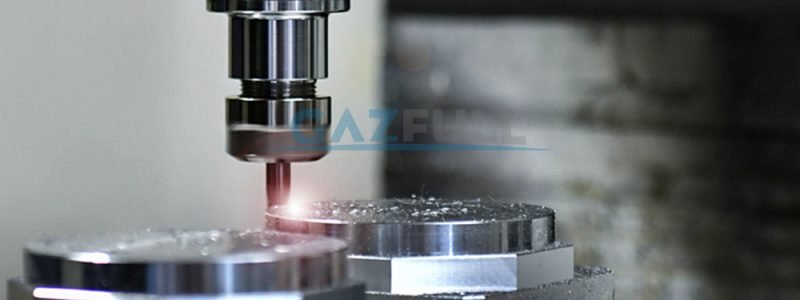
In modern manufacturing, precision and speed are no longer optional—they are essential. Industries such as aerospace, medical devices, automotive, robotics, and electronics increasingly rely on highly accurate metal components that must meet strict tolerances and perform reliably in demanding environments. This is where custom CNC prototype machining services for precision metal parts play a critical role.
Computer Numerical Control (CNC) machining has become one of the most trusted manufacturing methods for producing complex, high-precision metal components. When combined with prototype development services, CNC machining enables engineers and product designers to rapidly transform ideas into functional, testable parts. This article explores how custom CNC prototype machining works, its advantages, applications, materials, processes, and how to choose the right manufacturing partner.
What Is Custom CNC Prototype Machining?
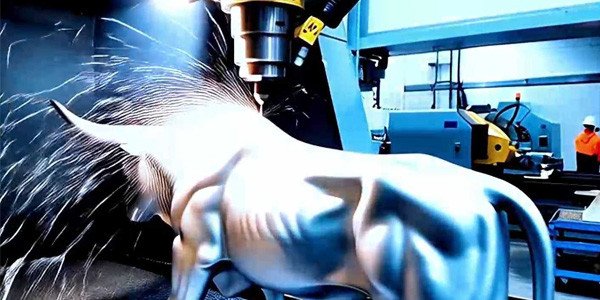
Custom CNC prototype machining is a subtractive manufacturing process that uses computer-controlled machines to produce one-off or low-volume precision metal parts based on digital designs (CAD models).
Unlike mass production methods such as casting or injection molding, CNC prototyping focuses on flexibility and precision. It allows manufacturers to create early-stage functional parts without expensive tooling, making it ideal for product development and engineering validation.
The process typically involves:
- Designing a 3D model using CAD software
- Converting the model into machine-readable code (CAM/G-code)
- Selecting suitable raw materials (aluminum, stainless steel, titanium, etc.)
- Machining the part using CNC milling, turning, drilling, or multi-axis operations
- Post-processing such as deburring, polishing, anodizing, or heat treatment
This workflow enables rapid iteration and high accuracy, making CNC machining a cornerstone of modern prototyping.
Why CNC Machining Is Ideal for Prototype Development
Prototype development is all about testing, improving, and validating a product before mass production. CNC machining offers several advantages that make it the preferred method for precision metal prototypes.
1. High Precision and Tight Tolerances
CNC machines operate with computer-guided accuracy, often achieving tolerances as tight as ±0.005 mm. This level of precision is essential for industries like aerospace and medical devices, where even microscopic deviations can cause performance issues or safety risks.
2. Fast Turnaround Time
Unlike traditional manufacturing methods that require expensive molds or dies, CNC prototyping can start directly from a digital file. This significantly reduces lead time, allowing engineers to test and iterate designs quickly.
3. Material Versatility
CNC machining supports a wide range of metals, including:
- Aluminum alloys (6061, 7075)
- Stainless steel (304, 316)
- Titanium
- Brass
- Copper
- Tool steel
This flexibility enables engineers to test real-world material performance early in the development cycle.
4. Cost Efficiency for Low Volumes
For prototypes or small production runs, CNC machining is far more cost-effective than injection molding or casting because it eliminates the need for tooling investment.
5. Design Flexibility
CNC machining can produce highly complex geometries, including internal cavities, threads, and intricate surfaces that may be difficult to achieve with other methods.
Key CNC Machining Processes Used in Prototyping
Custom CNC prototype machining services typically involve several different processes depending on part geometry and functional requirements.
CNC Milling
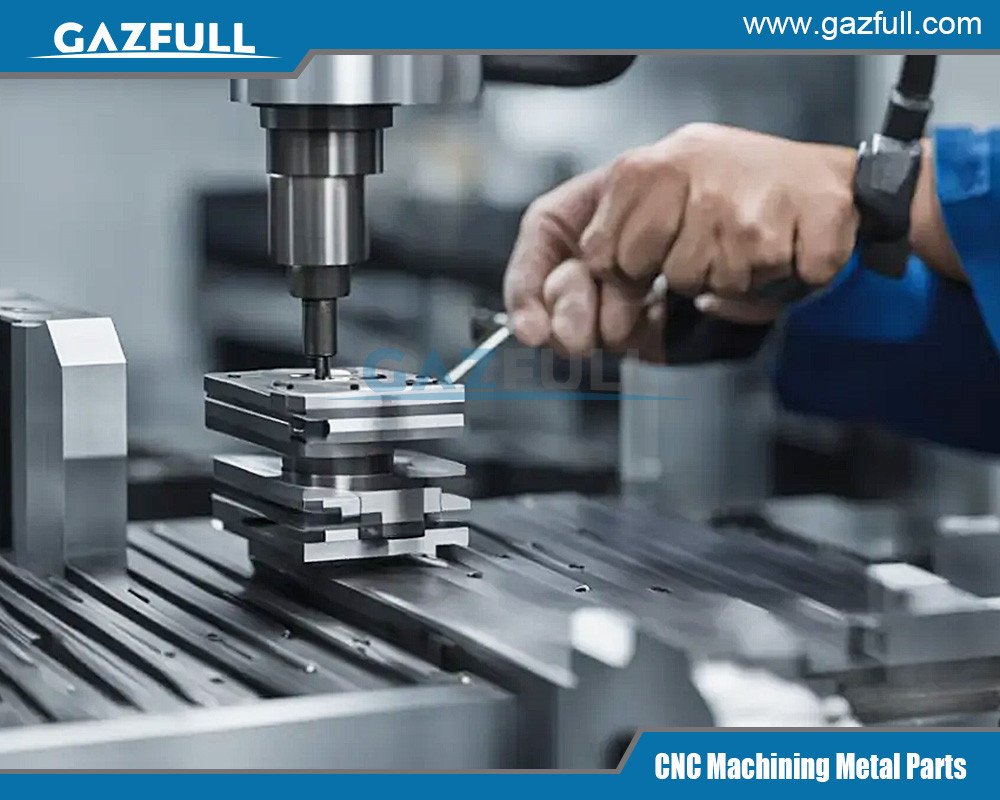
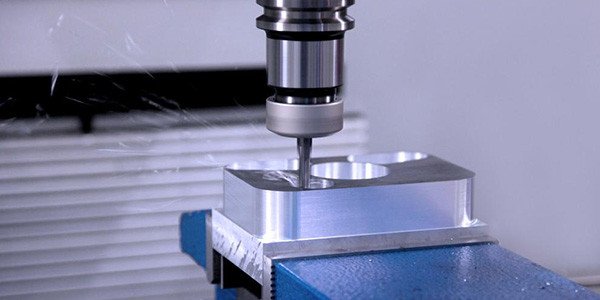
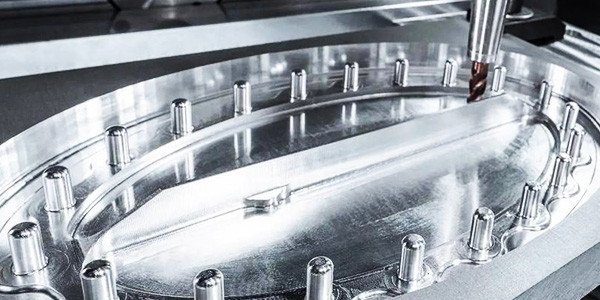
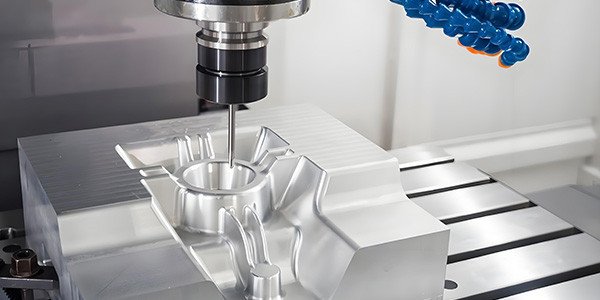
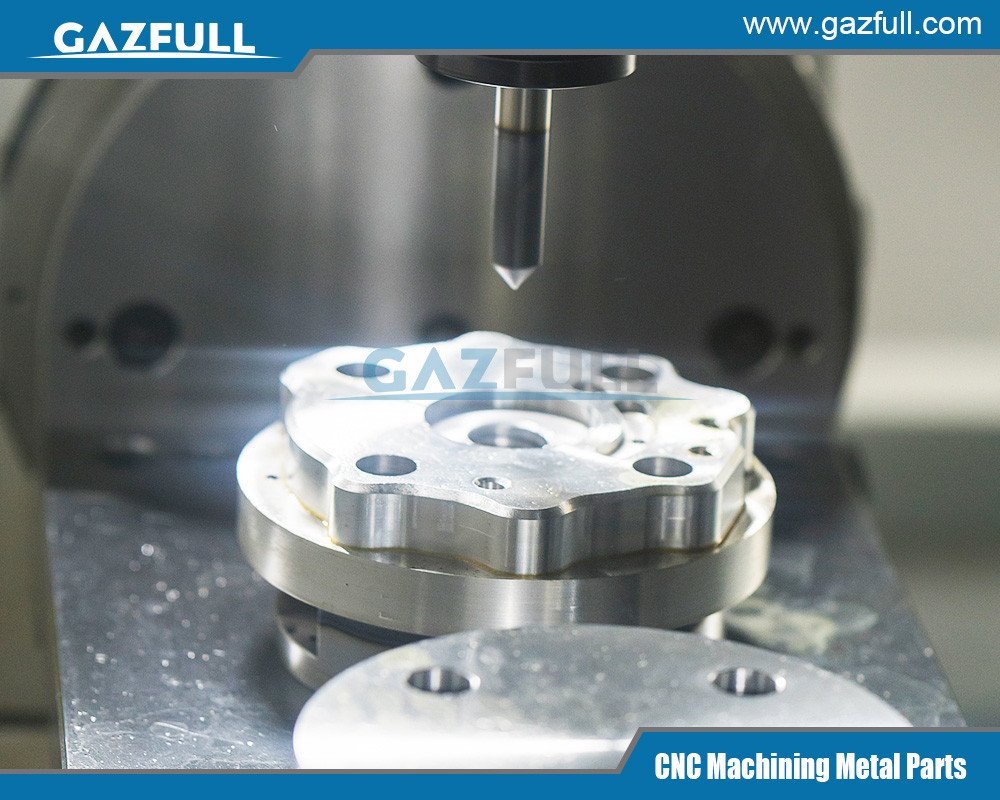
CNC milling uses rotating cutting tools to remove material from a solid block. It is ideal for flat surfaces, slots, holes, and complex 3D shapes. Multi-axis milling (3-axis, 4-axis, and 5-axis) allows even more complex geometries.
CNC Turning
CNC turning is used for cylindrical parts. The workpiece rotates while a stationary cutting tool removes material. This is commonly used for shafts, bushings, and threaded components.
CNC Drilling and Tapping
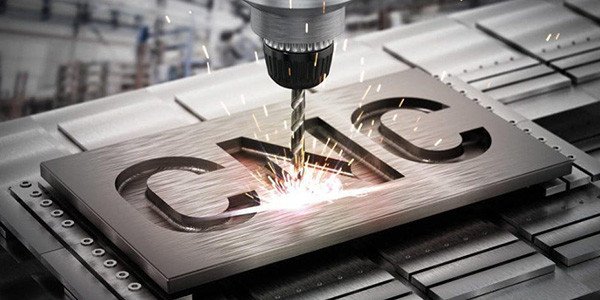
Precision drilling creates accurate holes, while tapping adds internal threads for fasteners.
Multi-Axis Machining
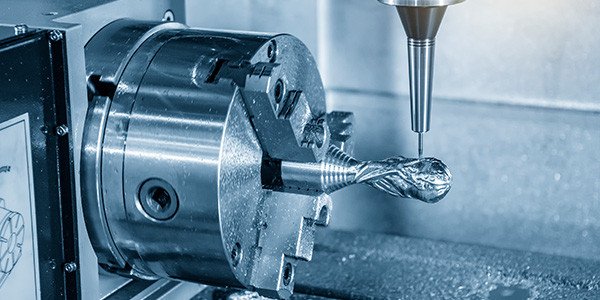
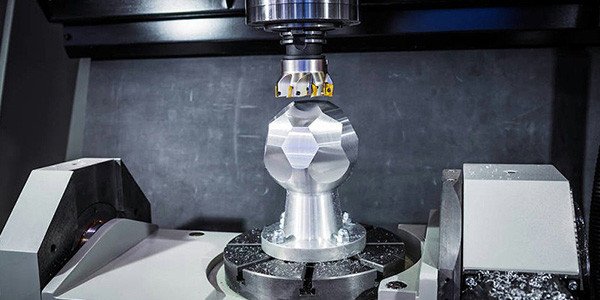
Advanced CNC machines operate on multiple axes simultaneously, allowing for highly complex geometries with fewer setups and higher accuracy.
EDM (Electrical Discharge Machining)
For extremely hard materials or intricate shapes, EDM uses electrical sparks to erode material with exceptional precision.
Materials Used in Precision Metal CNC Prototyping
Material selection is one of the most important aspects of CNC prototype machining. Different applications require different mechanical, thermal, and chemical properties.
Aluminum Alloys
Aluminum is lightweight, corrosion-resistant, and easy to machine. It is widely used in aerospace, automotive, and electronics prototyping.
Stainless Steel
Known for its strength and corrosion resistance, stainless steel is ideal for medical devices, industrial equipment, and food processing components.
Titanium
Titanium offers an excellent strength-to-weight ratio and high corrosion resistance, making it suitable for aerospace and biomedical applications.
Brass
Brass is easy to machine and has good electrical conductivity, often used in electrical components and decorative parts.
Copper
Copper is commonly used in electrical and thermal applications due to its excellent conductivity.
Tool Steel
Tool steels are used for high-strength and wear-resistant components such as molds and dies.
Applications of CNC Prototype Machining
Custom CNC prototype machining services are widely used across multiple industries:
Aerospace Industry
Aircraft components require extreme precision, lightweight materials, and high strength. CNC prototyping is used for structural parts, brackets, and engine components.
Medical Devices
Surgical instruments, implants, and diagnostic equipment require biocompatible materials and tight tolerances.
Automotive Industry
Engine components, transmission parts, and custom performance parts are often developed using CNC prototypes.
Electronics Industry
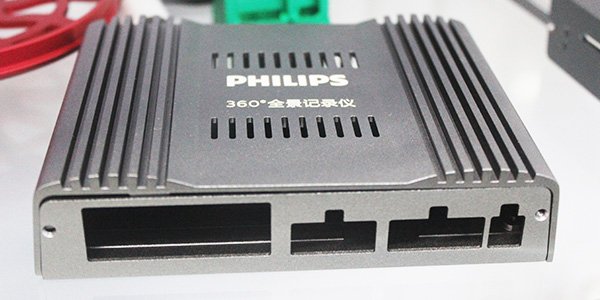
Enclosures, heat sinks, connectors, and precision housings are commonly machined using CNC processes.
Robotics and Automation
Robotic arms, gears, and motion systems require precise mechanical components that CNC machining can reliably produce.
Industrial Equipment
Heavy machinery components and custom tooling often rely on CNC prototypes for validation before production.
The CNC Prototyping Workflow
A typical custom CNC prototype machining process includes the following steps:
1. Design Submission
The client provides a CAD file (STEP, IGES, STL, or DXF format). Engineers review the design for manufacturability.
2. DFM Analysis (Design for Manufacturing)
Manufacturing engineers analyze the design to identify potential improvements for cost, performance, and machinability.
3. Material Selection
Based on application requirements, the most suitable metal is selected.
4. CNC Programming
CAM software generates toolpaths and machine code.
5. Machining Process
The CNC machine fabricates the part using milling, turning, or multi-axis operations.
6. Quality Inspection
Each prototype is measured using precision instruments such as CMM (Coordinate Measuring Machines) to ensure accuracy.
7. Post-Processing
Depending on requirements, parts may undergo surface finishing, anodizing, polishing, or heat treatment.
Advantages of Custom CNC Prototype Machining Services
1. Rapid Product Development
Companies can quickly move from concept to physical prototype, reducing time-to-market.
2. High Accuracy and Repeatability
Once a design is validated, CNC machining ensures consistent replication.
3. Reduced Development Risk
Prototypes allow engineers to test functionality before committing to expensive mass production.
4. Improved Design Optimization
Physical prototypes help identify design flaws that are not visible in simulations.
5. Scalability
CNC prototypes can easily transition into small-batch or full production runs.
Challenges in CNC Prototype Machining
While CNC machining offers many benefits, there are also challenges:
- Higher cost per unit compared to mass production methods
- Material waste due to subtractive manufacturing
- Complex geometries may require multiple setups
- Skilled engineering required for programming and optimization
However, these limitations are often outweighed by the precision and flexibility CNC machining provides.
How to Choose a CNC Prototype Machining Service Provider
Selecting the right manufacturing partner is crucial for product success. Consider the following factors:
Technical Capability
Ensure the provider has advanced CNC machines, including multi-axis systems.
Material Expertise
A good supplier should offer a wide range of metal materials and understand their machining properties.
Quality Control System
Look for ISO-certified manufacturers with strict inspection processes.
Engineering Support
Strong DFM support helps optimize designs and reduce cost.
Turnaround Time
Fast prototyping cycles are essential for competitive product development.
Communication and Transparency
Clear communication ensures fewer errors and smoother collaboration.
Future Trends in CNC Prototype Machining
The CNC machining industry continues to evolve with new technologies:
- Integration with AI-driven manufacturing optimization
- Hybrid manufacturing (CNC + additive manufacturing)
- Increased automation and lights-out production
- Smarter CAM software for faster programming
- Advanced materials like high-performance alloys and composites
These innovations are making CNC prototyping faster, more efficient, and more precise than ever before.
Conclusion
Custom CNC prototype machining services for precision metal parts are a cornerstone of modern engineering and manufacturing. They enable companies to transform digital designs into real-world components with exceptional accuracy, speed, and flexibility.
From aerospace to medical devices, CNC prototyping supports innovation by allowing engineers to test and refine their ideas before full-scale production. As industries continue to demand higher precision and faster development cycles, CNC machining will remain an essential technology driving product innovation forward.
Whether you are developing a new product or improving an existing design, partnering with a reliable CNC prototype machining service provider can significantly enhance your engineering capabilities and accelerate your path to market success.
Choose Gazfull CNC Machining Services
At Gazfull, we specialize in providing machining services that go beyond traditional manufacturing. We aim to optimize your processes and reduce production expenses while delivering high-quality results. Our expertise and state-of-the-art 3-axis cutting systems also enable us to handle all your custom needs efficiently and precisely.
For more about custom CNC prototype machining service for precision metal parts, you can pay a visit to Gazfull at https://www.gazfull.com/services/ for more info.