CNC Machining Metal Parts +86-18169936698
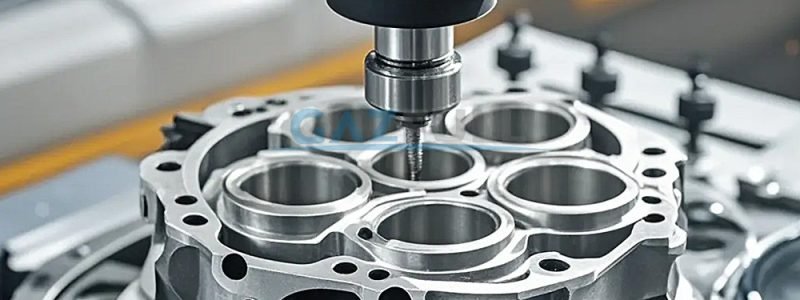
In modern manufacturing, CNC (Computer Numerical Control) machining plays a critical role in producing high-precision components for industries such as aerospace, automotive, medical devices, electronics, and industrial equipment. However, machining alone is often not sufficient to meet final performance requirements. Surface treatment becomes an essential post-processing step that enhances durability, corrosion resistance, aesthetics, conductivity, and wear performance.
Selecting the right surface treatment for CNC machined parts is not a one-size-fits-all decision. It requires a careful evaluation of material properties, application environment, functional requirements, cost constraints, and production volume. A wrong choice can lead to premature failure, increased maintenance cost, or even safety risks.
This article provides a comprehensive guide to help engineers and procurement specialists select the most suitable surface treatment for CNC machined parts.
1. Understanding the Purpose of Surface Treatment
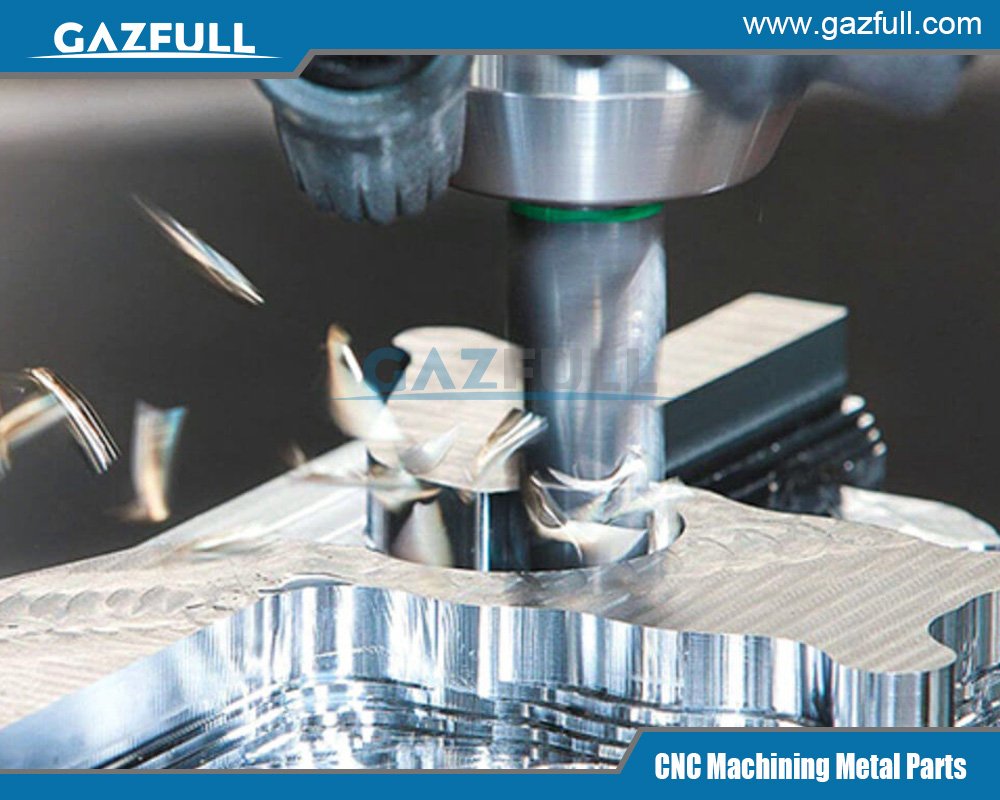
Before selecting a surface treatment, it is important to understand why it is needed. Surface treatments are applied to improve or modify the surface characteristics of a machined part without significantly altering its core properties.
The main objectives include:
- Corrosion resistance: Protecting metal parts from oxidation, rust, or chemical attack
- Wear resistance: Reducing friction and extending service life
- Aesthetic improvement: Enhancing appearance, color, and texture
- Electrical performance: Improving conductivity or insulation
- Chemical resistance: Protecting against acids, alkalis, or solvents
- Hardness enhancement: Increasing surface strength without affecting internal toughness
Understanding the functional goal is the first step in narrowing down suitable treatment options.
2. Material Considerations
Different materials respond differently to surface treatments. CNC machined parts are commonly made from aluminum, stainless steel, carbon steel, brass, titanium, or engineering plastics.
2.1 Aluminum Alloys
Aluminum is widely used due to its lightweight and machinability. However, it has poor wear resistance and moderate corrosion resistance.
Common treatments:
- Anodizing (Type II or Type III)
- Hard anodizing
- Powder coating
- Chemical conversion coating (Alodine/Chromate)
2.2 Stainless Steel
Stainless steel already offers corrosion resistance, but surface treatments improve performance in harsh environments.
Common treatments:
- Passivation
- Electropolishing
- Bead blasting
- PVD coating
2.3 Carbon Steel
Carbon steel requires strong protection against rust.
Common treatments:
- Zinc plating
- Nickel plating
- Black oxide
- Powder coating
- Painting
2.4 Titanium
Titanium is used in aerospace and medical applications due to its strength and biocompatibility.
Common treatments:
- Anodizing (color coding and protection)
- PVD coating
- Shot peening
2.5 Plastics (e.g., PEEK, ABS, Nylon)
Surface treatments improve adhesion and appearance.
Common treatments:
- Plasma treatment
- Painting
- UV coating
- Metallization
3. Functional Requirements of the Part
The application environment and function of the part are key decision factors.
3.1 Corrosion Resistance Requirements
If the part is used in marine, chemical, or outdoor environments, corrosion protection is critical. For example:
- Marine hardware → anodizing or powder coating
- Chemical processing equipment → PTFE coating or electropolishing
- Outdoor structural parts → zinc plating or hot-dip galvanizing
3.2 Wear Resistance Requirements
Parts with frequent movement or friction require hardened surfaces:
- Gears → carburizing or nitriding
- Sliding components → hard anodizing or PVD coating
- Industrial tooling → DLC coating
3.3 Electrical Requirements
For electronic applications:
- Conductive surfaces → nickel or gold plating
- Insulating surfaces → anodizing or powder coating
3.4 Aesthetic Requirements
Consumer-facing products often prioritize appearance:
- Brushed aluminum + anodizing
- Decorative chrome plating
- Matte powder coating
- Colored anodized finishes
4. Overview of Common Surface Treatments
Below is a detailed overview of widely used CNC surface treatments.
4.1 Anodizing
Anodizing is an electrochemical process mainly used for aluminum.
Advantages:
- Excellent corrosion resistance
- Good wear resistance (especially hard anodizing)
- Wide color options
- Environmentally friendly
Limitations:
- Only suitable for aluminum and titanium
- Can slightly change dimensional accuracy
Applications:
- Electronics housings
- Aerospace components
- Consumer products
4.2 Powder Coating
Powder coating involves applying dry powder and curing it under heat.
Advantages:
- Thick, durable coating
- Strong corrosion and impact resistance
- Wide color range
Limitations:
- Less precise than anodizing
- Not suitable for high-precision mating surfaces
Applications:
- Automotive parts
- Outdoor equipment
- Industrial machinery
4.3 Electroplating (Nickel, Zinc, Chrome)
Electroplating deposits a metal layer onto the surface.
Advantages:
- Improves corrosion resistance
- Enhances electrical conductivity
- Improves appearance
Limitations:
- Environmental concerns
- Requires careful process control
Applications:
- Fasteners
- Electrical connectors
- Decorative components
4.4 Electropolishing
Electropolishing removes a thin layer of metal to smooth and brighten the surface.
Advantages:
- Improves corrosion resistance
- Reduces surface roughness
- Clean and hygienic finish
Limitations:
- Mainly for stainless steel
- Limited wear resistance improvement
Applications:
- Medical devices
- Food processing equipment
- Semiconductor components
4.5 PVD Coating (Physical Vapor Deposition)
PVD is a vacuum coating process that deposits thin, hard films.
Advantages:
- Extremely high hardness
- Low friction
- Decorative metallic colors
Limitations:
- Higher cost
- Thin coating layer
Applications:
- Cutting tools
- High-performance components
- Luxury goods
4.6 Black Oxide
A chemical conversion coating used for steel.
Advantages:
- Low cost
- Minimal dimensional change
- Anti-glare finish
Limitations:
- Limited corrosion protection (requires oil seal)
Applications:
- Fasteners
- Hand tools
- Mechanical assemblies
5. Environmental and Regulatory Considerations
Modern manufacturing must comply with environmental regulations such as RoHS, REACH, and local waste disposal laws.
Some treatments, like hexavalent chromium coatings, are being phased out in many industries due to toxicity concerns. Alternatives such as trivalent chromium or non-chrome conversion coatings are increasingly used.
Sustainability considerations also include:
- Wastewater treatment requirements
- Energy consumption of coating processes
- Recycling compatibility
- Use of eco-friendly chemicals
Choosing environmentally compliant processes is not only regulatory compliance but also a competitive advantage.
6. Cost vs Performance Balance
Cost is always a key factor in selecting surface treatment.
General cost ranking (low to high):
- Black oxide
- Zinc plating
- Powder coating
- Anodizing
- Electropolishing
- PVD coating
However, the cheapest option is not always the best. For example, using black oxide instead of anodizing in a corrosive environment may lead to early failure and higher long-term cost.
A good selection strategy considers total lifecycle cost rather than initial processing cost.
7. Dimensional Tolerances and Precision Impact
Some surface treatments significantly affect part dimensions.
- Anodizing: adds thickness (especially hard anodizing)
- Powder coating: relatively thick layer
- Electropolishing: removes material, slightly reducing dimensions
- PVD coating: minimal dimensional change
For tight-tolerance CNC parts, this must be accounted for during design and machining.
8. Selection Guidelines and Decision Framework
To systematically select the right surface treatment, follow this framework:
Step 1: Identify material type
Aluminum, steel, stainless steel, titanium, or plastic.
Step 2: Define service environment
Indoor, outdoor, marine, chemical, high-temperature, or vacuum.
Step 3: Determine functional requirements
Corrosion resistance, wear resistance, conductivity, aesthetics.
Step 4: Evaluate dimensional constraints
Tight tolerance or standard tolerance.
Step 5: Consider regulatory requirements
RoHS, REACH, medical or aerospace standards.
Step 6: Compare cost and lifecycle value
Balance performance vs budget.
Conclusion
Selecting the appropriate surface treatment for CNC machined parts is a critical engineering decision that directly affects product performance, durability, and cost efficiency. There is no universal solution; instead, each application requires a tailored approach based on material type, operating environment, functional requirements, and budget constraints.
By understanding the strengths and limitations of common treatments such as anodizing, powder coating, electroplating, electropolishing, PVD coating, and black oxide, engineers can make informed decisions that optimize both performance and lifecycle value.
In high-precision industries, surface treatment is not just a finishing step—it is an integral part of product engineering.
Choose Gazfull CNC Machining Services
At Gazfull, we specialize in providing machining services that go beyond traditional manufacturing. We aim to optimize your processes and reduce production expenses while delivering high-quality results. Our expertise and state-of-the-art 3-axis cutting systems also enable us to handle all your custom needs efficiently and precisely.
For more about how to select the appropriate surface Treatment for CNC machined parts, you can pay a visit to Gazfull at https://www.gazfull.com/services/ for more info.