
CNC Machining Metal Parts +86-18169936698
Blog
We offer metal fabrication service and custom manufactured parts factory service
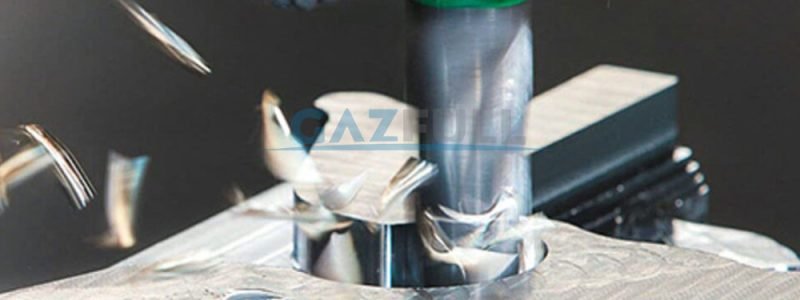
Why CNC is the Gold Standard for Complex Metal Fabrication
In the demanding world of modern manufacturing, the term “complex metal fabrication” encompasses a broad spectrum of challenges: intricate geometries, exceptionally tight tolerances, difficult-to-machine alloys, and the need for repeatability across high-volume production runs. For decades, skilled machinists with manual lathes and mills were the sole solution to these challenges. However, as design complexity and material science have advanced, the limitations of human dexterity have become the bottleneck.
Enter Computer Numerical Control (CNC) machining. Since its inception in the mid-20th century, CNC technology has evolved from a novel automation tool into the undisputed gold standard for producing complex metal components. It is not merely an alternative to manual fabrication; it is the enabling technology that makes the previously impossible, possible. This article delves into the specific technical reasons why CNC machining reigns supreme in the realm of complex metal fabrication, exploring its precision, capabilities, material versatility, and integral role in the modern digital manufacturing workflow.
1. The Bedrock of Uncompromising Precision and Accuracy
The primary reason CNC is synonymous with complex fabrication is its ability to achieve and consistently hold tolerances that are unattainable by hand. While a master machinist on a manual lathe might reliably hold tolerances of ±0.001 inches (0.0254 mm) with intense concentration, this represents the upper echelon of human capability. For complex parts, this is often the starting point, not the finish line.
CNC machining routinely operates within tolerances of ±0.0005 inches (0.0127 mm) or even ±0.0002 inches (0.005 mm) for high-precision applications in aerospace, medical devices, and mold-making. This level of accuracy is not achieved through sheer strength or skilled hand-eye coordination, but through a closed-loop control system.
-
Servo Motors and Ball Screws: CNC machines utilize high-torque servo motors coupled with precision-ground ball screws. Unlike standard lead screws, ball screws recirculate ball bearings between the nut and screw, virtually eliminating backlash (the “slop” or lost motion in a drive train). This allows the machine to position the cutting tool with microscopic precision.
-
Linear Scales and Encoders: High-end CNC machines are equipped with linear scales and rotary encoders that provide real-time positional feedback to the controller. If the cutting tool encounters unexpected resistance, the controller detects a deviation from the programmed path (the “following error”) and instantly adjusts the servo motor’s power to correct it. This is the essence of a closed-loop system—constant measurement and correction, a feat impossible for a human operator.
-
Thermal Compensation: Cutting metal generates significant heat, which can cause both the machine and the workpiece to expand. Advanced CNC controls incorporate thermal compensation algorithms. They use sensors to monitor temperature changes in the spindle, ballscrews, and column, and automatically adjust the tool path to counteract thermal expansion, ensuring accuracy remains stable over long production runs.
For complex geometries where multiple features must align perfectly—such as the mating surfaces of a turbine housing or the network of cooling channels in an injection mold—this machine-enforced precision is non-negotiable.
2. Conquering Geometric Complexity: The Multi-Axis Advantage
Complex metal fabrication often involves features that are impossible to create on a standard 3-axis mill (which moves in X, Y, and Z) without multiple, error-prone setups. This is where multi-axis CNC machining—specifically 4-axis, 5-axis, and mill-turn centers—demonstrates its true value.
-
3+2 and Full 5-Axis Machining: A 5-axis CNC machine adds two rotational axes (A and B, or A and C) to the linear X, Y, and Z. This allows the cutting tool or the workpiece to tilt and rotate. The distinction is crucial:
-
3+2 Machining: The machine rotates the tool or part to a fixed angle and then performs a standard 3-axis operation. This is ideal for accessing features on multiple sides of a part in a single setup, drastically reducing setup time and increasing accuracy by eliminating cumulative fixture errors.
-
Full 5-Axis Simultaneous Machining: The machine moves all five axes at the same time. This is the pinnacle of complex fabrication. It enables the creation of complex free-form surfaces like impeller blades, turbine discs, and medical prosthetics. By maintaining the tool perpendicular to the cutting surface (or at an optimal lead angle), the programmer can achieve better surface finishes, use shorter, more rigid cutting tools, and machine deeper cavities without vibration (chatter).
-
-
Mill-Turn Centers (Multitasking Machines): For parts that are predominantly cylindrical but contain complex prismatic features (e.g., a crankshaft or a hydraulic valve body), the mill-turn center is the ultimate solution. These machines combine the capabilities of a CNC lathe and a CNC machining center. They feature a main spindle, a sub-spindle, and a bank of live tooling (rotating cutting tools) on the turret. A complex part can be loaded once, turned on the main spindle, cut off, transferred to the sub-spindle, and have its back-end features machined—all without ever being touched by a human operator. This “done-in-one” processing eliminates work-holding errors, drastically reduces cycle times, and ensures perfect concentricity between the part’s features.
3. The Elimination of Human Error Through Repeatability
Human error is an inherent risk in manual fabrication. Fatigue, distraction, and the inherent variability in human motor skills mean that no two manually machined parts will ever be perfectly identical. For complex assemblies requiring dozens or hundreds of interchangeable parts, this variability is unacceptable.
CNC machining is, by definition, a process of exact replication. Once a program is proven and the tooling is set, the machine will execute that same sequence of operations thousands of times with minimal deviation. This repeatability is governed by the machine’s ability to follow a digital blueprint (G-code) without deviation.
This consistency offers several critical advantages:
-
Statistical Process Control (SPC): Because the process is stable, manufacturers can employ SPC. By taking small sample measurements at regular intervals, they can predict and correct for minor tool wear before it results in out-of-tolerance parts, ensuring 100% quality without 100% inspection.
-
Interchangeability: In complex assemblies, components sourced from different production batches must fit together perfectly. The repeatability of CNC machining guarantees this interchangeability, simplifying assembly and field repairs.
-
Scalability: When a complex part design is finalized, scaling from a prototype run of one to a production run of ten thousand is as simple as loading more raw material and letting the machine run. The 10,000th part will be a precise replica of the first.
4. Mastering Difficult Materials
Complex metal fabrication often involves materials selected for their extreme properties—superalloys like Inconel 718 and Hastelloy for high-temperature strength, titanium alloys (Ti-6Al-4V) for their strength-to-weight ratio, and hardened tool steels for wear resistance. These materials are notoriously difficult to machine (often classified as “exotic” or “difficult-to-cut”). They work-harden quickly, generate immense heat, and are highly abrasive, leading to rapid tool wear.
CNC technology provides the controlled environment necessary to successfully machine these alloys:
-
Predictable Toolpath Strategies: CAM software allows programmers to employ specific strategies like trochoidal milling or high-efficiency milling. These toolpaths maintain a constant chip thickness and a consistent tool engagement angle, managing heat generation and reducing the risk of work hardening.
-
High-Pressure Coolant Delivery: Modern CNC machines are equipped with coolant systems that deliver fluid at pressures of 1000 PSI or more directly through the spindle and tool. This high-pressure jet not only cools the cutting zone but also physically breaks and evacuates the hot, stringy chips that are characteristic of superalloys, preventing them from being re-cut and damaging the part or tool.
-
Adaptive Control: Some advanced CNC controllers can monitor spindle load in real-time. If the load exceeds a programmed threshold (due to a hard spot in the material or unexpected tool wear), the controller can automatically reduce the feed rate to protect the tool and the part, then resume the programmed feed once the load returns to normal. This adaptive capability is crucial for protecting expensive tools and workpieces when machining inconsistent castings or forgings.
5. Integration with the Digital Manufacturing Ecosystem
Perhaps the most compelling reason CNC is the gold standard is its seamless integration into the digital thread of modern manufacturing. A complex metal part no longer exists solely as a 2D drawing; it begins as a 3D solid model in a CAD (Computer-Aided Design) package. CNC machining is the physical realization of that digital data.
-
CAD/CAM Integration: The CAD model is imported into CAM (Computer-Aided Manufacturing) software. Here, the programmer simulates the entire machining process in a virtual environment. They define toolpaths, select cutting tools, and simulate material removal. Modern CAM software includes sophisticated simulation and verification tools that can detect collisions between the tool, tool holder, machine head, and fixturing. It can also simulate the entire machine’s kinematics to ensure the program is error-free before a single chip is cut. This “digital twin” of the machining process saves immense time and material costs by preventing crashes and proving out the process virtually.
-
Direct from Design to Production: Changes to the design can be made in the CAD model, and the CAM program can be updated and re-posted to the machine in minutes. This agility is critical for iterative design processes and rapid prototyping, compressing development cycles that would have taken weeks with manual methods into days or even hours.
-
In-Process Inspection with Probing: CNC machines are often equipped with touch-trigger probes. These probes can be programmed to automatically measure critical features during the machining process. The probe can check a rough-machined surface, feed that data back to the control, and the control can automatically update the coordinate system for the finishing pass to compensate for any stock variation. This closed-loop machining, where the machine inspects its own work and adapts, represents the highest level of process control.
Conclusion
CNC machining has earned its status as the gold standard for complex metal fabrication not through a single advantage, but through a powerful synthesis of them. It provides the precision required for microscopic tolerances, the multi-axis dexterity to create impossible geometries, the repeatability for mass production, the robustness to conquer exotic alloys, and the digital connectivity that streamlines the entire process from concept to creation.
While the skilled trades will always have a place for prototyping, repair, and one-off custom work, the challenges of 21st-century manufacturing—in sectors like aerospace, medical technology, energy, and defense—demand a solution that transcends human limitations. CNC machining is that solution. It is the technological foundation upon which the most critical, complex, and high-performance metal components in the world are built, solidifying its position not just as a standard, but as the gold standard.
Choose Gazfull CNC Machining Services
At Gazfull, we specialize in providing machining services that go beyond traditional manufacturing. We aim to optimize your processes and reduce production expenses while delivering high-quality results. Our expertise and state-of-the-art 3-axis cutting systems also enable us to handle all your custom needs efficiently and precisely.
Recent Posts
A Comprehensive Guide Of Custom CNC Machining Service
Why CNC is the Gold Standard for Complex Metal Fabrication
Gazfull CNC Machining Services
Custom CNC Metal Parts Machining Service
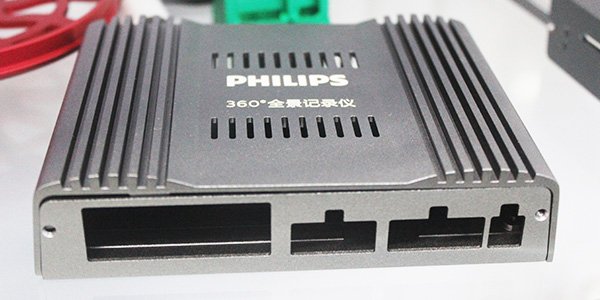
Gazfull CNC Machining, A manufacturer for CNC Machining Metal Parts. We offer metal fabrication service and custom manufactured parts factory service.
CNC Machining for Low Volume Production
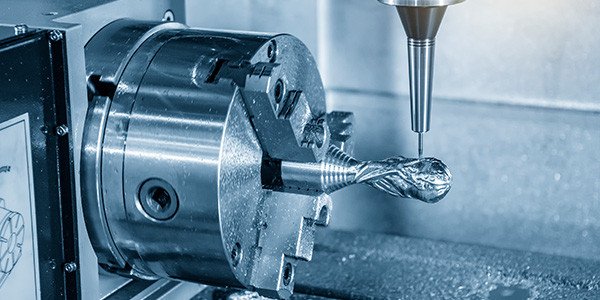
We offer a full suite of CNC capabilities — including 3, 4, and 5-axis milling, Swiss-style turning, conventional turning, and mill-turn machining — to support low volume production.
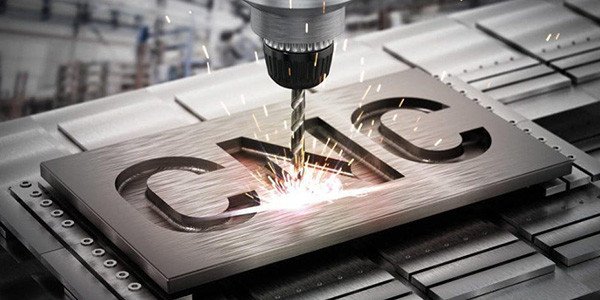
CNC Machining for High Volume Machining
High-volume CNC machining utilizes advanced computer-controlled machines that can execute machining operations at significantly higher speeds than traditional manual methods.
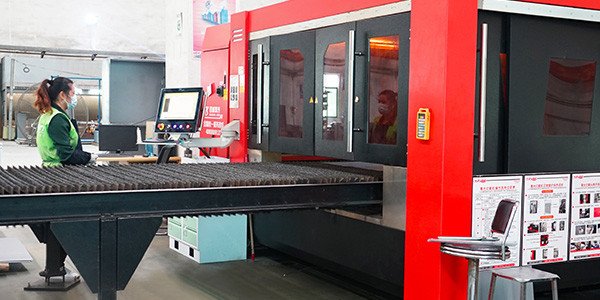
CNC Cutting Service
We are able to provide 2D and 3D product designs in a variety of colors. We excel at laser cutting hard and delicate materials, difficult and complex projects, and both large and small projects.
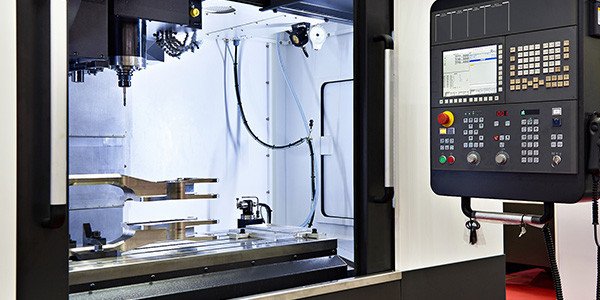
CNC Milling Service
We have dozens of in-house 5-axis CNC milling machines that can easily mill plastic and metal parts with tight tolerances and complex geometries. We also use 3-axis and 4-axis milling machines to provide low-cost machined parts.
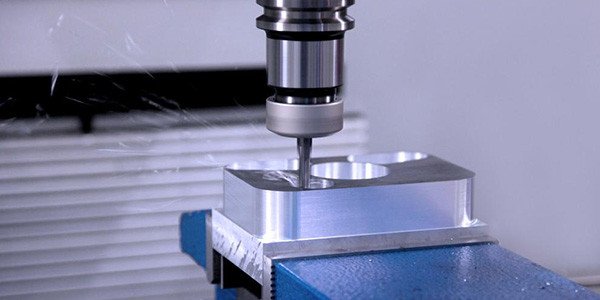
CNC Turning Service
Our commitment to excellence and dedication to transparency and efficiency have made us a key player in promoting the production and delivery of CNC turning parts, further improving the quality and precision of parts in various industries.
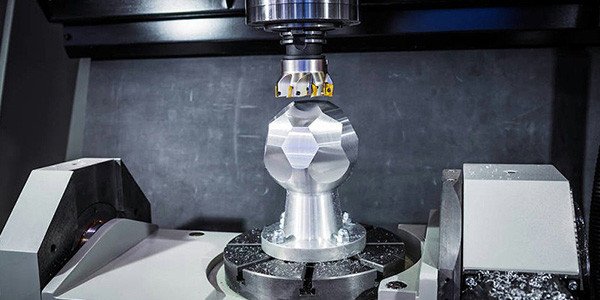
CNC Routing Service
CNC routing offers several advantages over traditional manual routing or other manufacturing methods. For example, plasma or laser cutting.

CNC Product Surface Treatment
CNC product surface treatment involves post-machining processes like anodizing, powder coating, electroplating, and polishing to enhance appearance, corrosion resistance, wear.

CNC Machining Metal Fabrication Service
Providing high-quality CNC Machining Fabricating Services services in China for a wide range of mechanical products, assemblies, and custom parts.
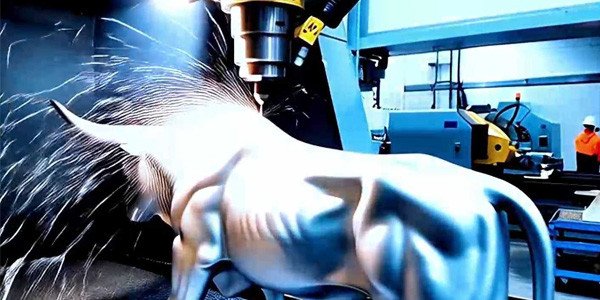
CNC Prototype Machining Service
CNC Rapid prototyping services are essential to modern advanced manufacturing, enabling engineers and product developers to move from concept to functional parts in days rather than months.
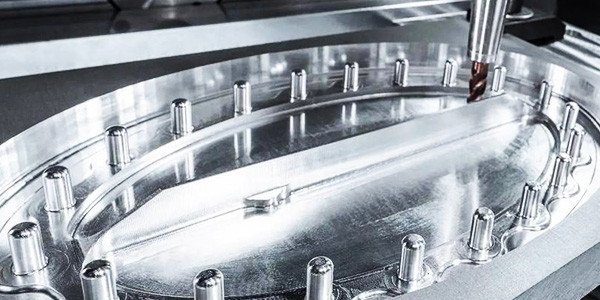
CNC Machining Low Volume Manufacturing
Low volume manufacturing (LVM) is characterized by production runs that are too small for high-volume techniques but too large for one-off prototyping.
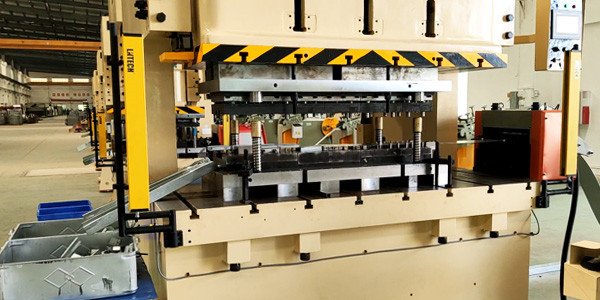
Custom Metal Stamping Service
Metal stamping is a cold-forming fabrication method that’s simple yet versatile. In this process, flat metal strips are fed into stamping equipment with tooling or dies.
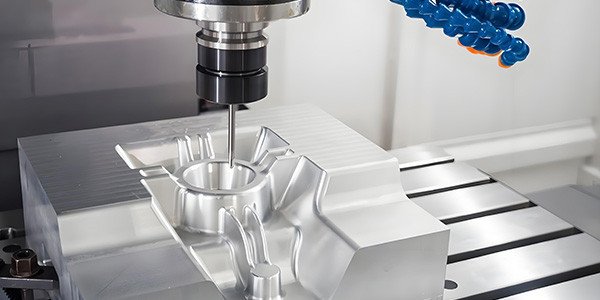
Custom Die Casting Service
Gazfull partners with the leading extrusion suppliers who utilize the most sophisticated technology to deliver high-quality extrusions.
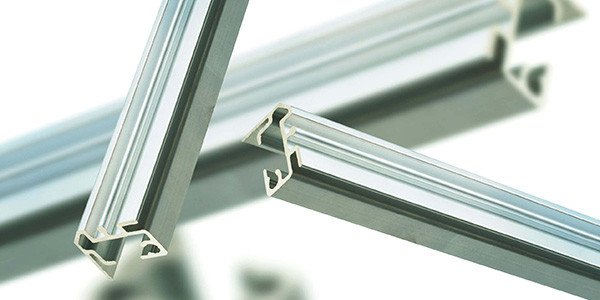
Metal Extrusion Service
Metal extrusion is the manufacturing process of choice when producing high volumes of material with a constant cross-section. With the extrusion process, metal material is forced through the shaped opening of a die using high pressure, resulting in an extruded profile.
Get a quote
Email:info@gazfull.com
Ready to get started on your next project?
From one part to thousands of parts, we can help you accelerate your sheet metal projects using CNC machining Services in a cost-effective way. Contact us right now! info@gazfull.com