
CNC Machining Metal Parts +86-18169936698
Blog
We offer metal fabrication service and custom manufactured parts factory service
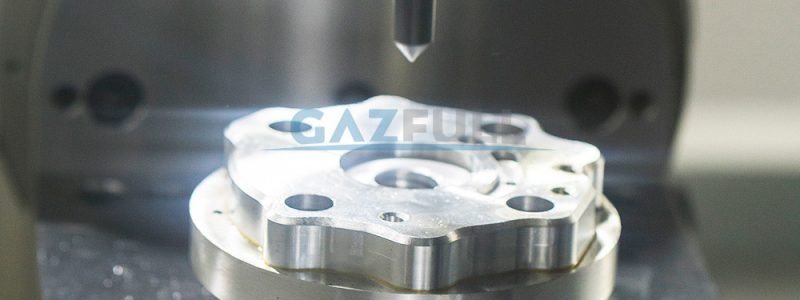
Medical Device Manufacturing: The Role of Small Part CNC Machining
The medical technology industry stands as a pinnacle of human innovation, constantly pushing the boundaries of biology and engineering to extend and enhance the quality of life. At the heart of this progress lies an often-overlooked critical requirement: the ability to manufacture incredibly small, complex, and flawless components. From the tip of a guidewire used in angioplasty to the threaded barrel of a bone screw and the microscopic features of a surgical robot’s end-effector, the performance of modern medical devices hinges on parts that can be measured in millimeters or even microns.
In this high-stakes environment, where a single manufacturing flaw can have life-or-death consequences, Computer Numerical Control (CNC) machining has emerged as the indispensable manufacturing process. Specifically, the sub-discipline of small part CNC machining has become the backbone of medical device production. This article explores the technical nuances, material challenges, and critical importance of precision machining in creating the minuscule components that save and improve lives every day.
The Imperative of Miniaturization in Medicine
The drive toward miniaturization in medical devices is not merely a trend but a fundamental shift driven by clinical needs. Minimally invasive surgery (MIS) has revolutionized patient care by replacing large incisions with tiny portals through which cameras and instruments are inserted. This approach drastically reduces trauma, speeds up recovery times, and lowers the risk of infection.
Devices like stents, catheters, and laparoscopic tools must be small enough to navigate the body’s intricate vascular and luminal networks. Similarly, implantable devices—such as pacemakers, neurostimulators, and drug pumps—need to be as compact as possible to minimize their footprint within the body and improve patient comfort. Furthermore, the rise of wearable technology for continuous health monitoring demands sensors and components that are not only precise but also unobtrusive.
This relentless pursuit of smaller, smarter, and more capable devices creates a manufacturing paradox: as the products shrink, the requirements for precision, surface finish, and geometric complexity become exponentially more stringent. This is where small part CNC machining excels.
The Technical Domain of Small Part Machining
“Small part machining” is a specialized field that generally refers to the production of components with features under one inch in size, often with tolerances measured in the thousandths of an inch (0.001″ or 25.4 microns) or even ten-thousandths of an inch (0.0001″ or 2.54 microns). To put this in perspective, machining a feature to within ±0.0005″ is equivalent to controlling a dimension to less than one-seventh the diameter of a human hair.
Achieving this level of precision on a tiny scale requires more than just scaling down standard machining practices. It involves a holistic approach that combines advanced machinery, specialized tooling, and meticulous process control.
-
High-Precision Machine Tools: The foundation of small part manufacturing is the machine tool itself. Swiss-type lathes (also known as sliding headstock lathes) are the workhorses of the industry. Unlike traditional CNC lathes where the part spins and the tool moves, Swiss lathes advance the bar stock through a guide bushing, with the cutting tools positioned very close to this bushing. This design supports the workpiece right at the point of cut, virtually eliminating deflection caused by cutting forces. This makes Swiss machining ideal for long, slender, and delicate components like bone pins, guidewire tips, and electrode leads.
For parts requiring complex prismatic features, high-speed micro-milling centers are used. These machines feature ultra-high-speed spindles (30,000 to 60,000 RPM or more) and advanced control systems that allow for the creation of intricate 3D geometries in metals and plastics, such as the housings for miniature sensors or components for robotic surgical tools.
-
Micro-Tooling: The cutting tools used are marvels of engineering in their own right. End mills and drills can be as small as 0.001″ in diameter. These micro-tools, often made from sub-micron grain carbide, must be incredibly sharp and wear-resistant. Their geometry is optimized to efficiently evacuate tiny chips (or “swarf”) that can otherwise clog the flutes and cause tool breakage or damage to the finished surface. Tool runout (wobble) must be virtually eliminated, as even a few microns of deviation can lead to catastrophic tool failure or out-of-tolerance parts.
-
Workholding and Fixturing: Holding a part that is the size of a grain of rice securely during machining operations is a significant challenge. Standard vises are useless. Instead, machinists rely on custom-engineered vacuum chucks, precision collets, and specially designed soft jaws that are machined themselves to perfectly cradle the delicate workpiece. For secondary operations, parts may be mounted on adhesive substrates or handled with vacuum tweezers to prevent damage or loss.
-
Inspection and Metrology: The manufacturing process is not complete without verification. Traditional calipers are insufficient for measuring micro-features. Instead, shops rely on advanced metrology equipment. Vision systems with high-magnification optics and automated edge-detection software can measure dozens of features in seconds. For critical 3D geometries, Coordinate Measuring Machines (CMMs) with microscopic touch probes or non-contact laser scanners are used to ensure every dimension conforms exactly to the design.
Critical Material Selection
The choice of material in medical devices is governed by three primary factors: biocompatibility (the material’s ability to coexist with living tissue without causing a harmful reaction), mechanical performance, and corrosion resistance. Small part CNC machining must be adept at handling a wide range of these demanding materials.
-
Stainless Steels (e.g., 304, 316L, 17-4 PH): The workhorses of the industry. 316L stainless steel is ubiquitous for surgical instruments and implants due to its excellent corrosion resistance, strength, and relatively good machinability. Precipitation-hardening grades like 17-4 PH are used where higher strength and hardness are required.
-
Titanium and its Alloys (e.g., Ti-6Al-4V): The gold standard for orthopedic and dental implants. Titanium is prized for its exceptional strength-to-weight ratio, outstanding biocompatibility, and ability to osseointegrate (bond with bone). However, it is considered a “difficult-to-machine” material. It is gummy, has low thermal conductivity (trapping heat in the tool), and is chemically reactive with tool materials at high temperatures. Machining titanium micro-parts requires sharp tools, rigid setups, and aggressive coolant strategies.
-
Cobalt-Chrome Alloys (e.g., CoCrMo): Used in high-wear applications like artificial joints and heart valves. These alloys are extremely hard, wear-resistant, and corrosion-proof. They are also very abrasive and work-hardening, making them a challenge to machine. The process generates immense heat and requires the use of high-pressure coolant and exceptionally tough cutting tools.
-
Engineering Plastics (e.g., PEEK, PTFE, Ultem): Polymers are increasingly used in medical devices. PEEK (Polyether ether ketone) has gained prominence as a radiolucent (invisible to X-rays) alternative to metal for spinal implants and trauma fixation. PTFE (Teflon) is used for its low friction in catheters. Machining plastics requires sharp tools and careful control to prevent melting, burr formation, and dimensional changes due to thermal expansion or stress relaxation.
Key Applications in Medical Device Manufacturing
The versatility of small part CNC machining allows it to serve nearly every sector of the medical device industry.
-
Orthopedic Implants and Instruments: This is perhaps the most demanding application. Machining creates the complex threaded forms of bone screws, the precision tapers of hip and knee replacement components, and the roughened surfaces on implants designed to promote bone ingrowth. The surgical instruments used to place these implants—drills, reamers, screwdrivers, and cutting guides—are also high-precision machined parts.
-
Cardiovascular and Neurological Devices: The devices that navigate the delicate pathways of the heart and brain are marvels of micro-manufacturing. CNC machining is used to create the microscopic hypotubes for catheters and guidewires, the complex structures of stent delivery systems, and the tiny electrodes and hermetic housings for pacemakers and deep brain stimulation (DBS) leads.
-
Surgical Robotics and Instruments: The new generation of robotic-assisted surgery relies on instruments with articulated wrists that mimic the dexterity of the human hand at a much smaller scale. These instruments contain dozens of tiny, complex gears, linkages, and end-effectors (graspers, scissors, needle drivers) that must move with zero friction and absolute precision. These components are almost exclusively produced by high-precision CNC milling and turning.
-
Dental Components: From titanium dental implants and abutments to the multi-unit bridges and precision attachments for dentures, the dental field is a major consumer of small machined parts.
Navigating Challenges and Looking Ahead
Despite its capabilities, small part CNC machining is not without its challenges. Burr formation—the creation of unwanted raised edges on a part—can be a significant issue on micro-features, requiring secondary processes like electropolishing or specialized deburring techniques. Managing the heat generated during machining is critical to prevent micro-structural changes in the material or thermal expansion that throws tolerances out of spec. Furthermore, the entire process, from programming with CAM (Computer-Aided Manufacturing) software that can handle micro-toolpaths to the final cleaning and passivation of the parts, must be conducted in a controlled environment, often adhering to strict ISO 13485 (quality management for medical devices) and cleanroom standards.
Looking to the future, the role of small part CNC machining will only grow more vital. As medical devices continue to shrink and become more intelligent, incorporating drug-delivery capabilities or advanced sensors, the demand for micro-components will surge. The integration of automation and AI-driven process control will help to increase throughput and maintain the flawless quality required. Furthermore, the rise of hybrid manufacturing, which combines the geometric freedom of 3D printing (additive manufacturing) with the precision and surface finish of CNC subtractive processes, promises to open new frontiers in device design.
Conclusion
Small part CNC machining is far more than a simple manufacturing service; it is a critical enabler of modern medicine. It translates the visionary concepts of medical device designers into tangible, life-saving realities. By mastering the complex interplay of micro-scale physics, difficult materials, and stringent quality standards, precision machine shops provide the microscopic building blocks that empower surgeons to perform the extraordinary. As technology advances and the quest for smaller, smarter, and more effective treatments continues, the silent, precise work of the micro-machinist will remain an indispensable cornerstone of healthcare innovation.
Choose Gazfull CNC Machining Services
At Gazfull, we specialize in providing machining services that go beyond traditional manufacturing. We aim to optimize your processes and reduce production expenses while delivering high-quality results. Our expertise and state-of-the-art 3-axis cutting systems also enable us to handle all your custom needs efficiently and precisely.
Recent Posts
A Comprehensive Guide Of Custom CNC Machining Service
Why CNC is the Gold Standard for Complex Metal Fabrication
Gazfull CNC Machining Services

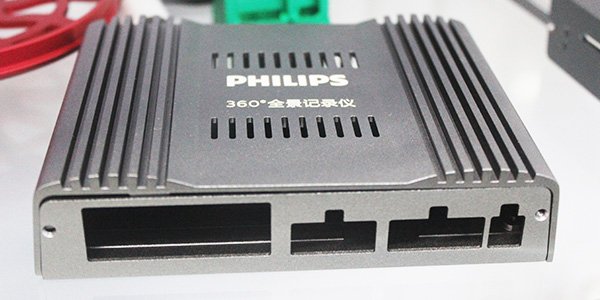
Custom CNC Metal Parts Machining Service
Gazfull CNC Machining, A manufacturer for CNC Machining Metal Parts. We offer metal fabrication service and custom manufactured parts factory service.
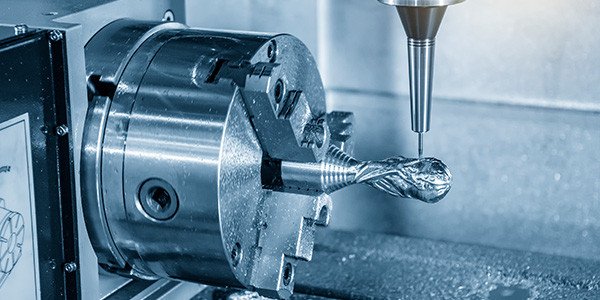
CNC Machining for Low Volume Production
We offer a full suite of CNC capabilities — including 3, 4, and 5-axis milling, Swiss-style turning, conventional turning, and mill-turn machining — to support low volume production.
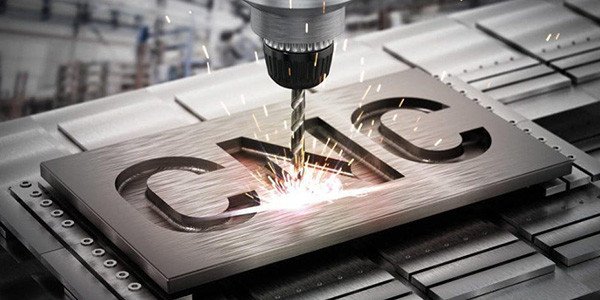
CNC Machining for High Volume Machining
High-volume CNC machining utilizes advanced computer-controlled machines that can execute machining operations at significantly higher speeds than traditional manual methods.
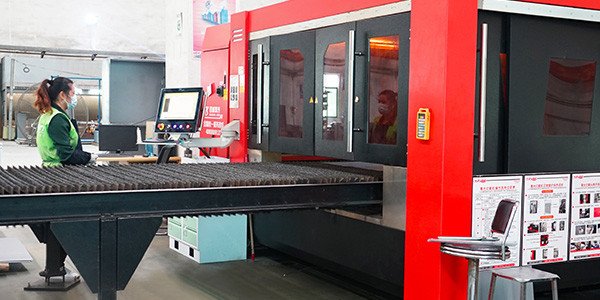
CNC Cutting Service
We are able to provide 2D and 3D product designs in a variety of colors. We excel at laser cutting hard and delicate materials, difficult and complex projects, and both large and small projects.
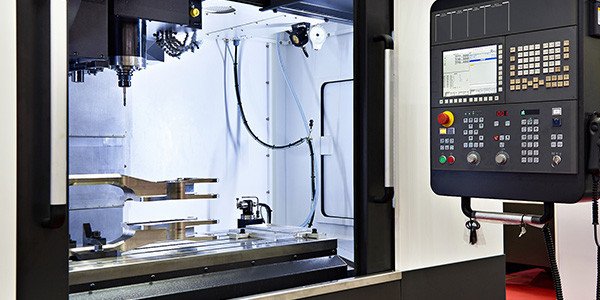
CNC Milling Service
We have dozens of in-house 5-axis CNC milling machines that can easily mill plastic and metal parts with tight tolerances and complex geometries. We also use 3-axis and 4-axis milling machines to provide low-cost machined parts.
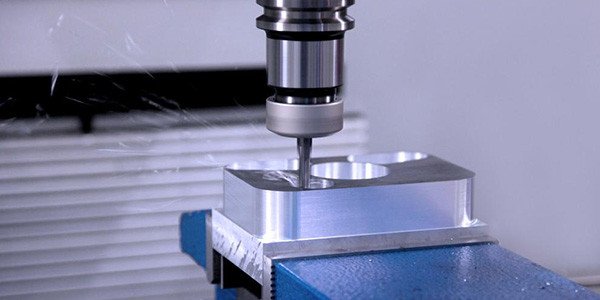
CNC Turning Service
Our commitment to excellence and dedication to transparency and efficiency have made us a key player in promoting the production and delivery of CNC turning parts, further improving the quality and precision of parts in various industries.
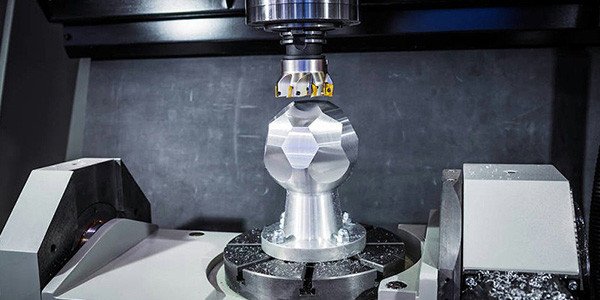
CNC Routing Service
CNC routing offers several advantages over traditional manual routing or other manufacturing methods. For example, plasma or laser cutting.

CNC Product Surface Treatment
CNC product surface treatment involves post-machining processes like anodizing, powder coating, electroplating, and polishing to enhance appearance, corrosion resistance, wear.

CNC Machining Metal Fabrication Service
Providing high-quality CNC Machining Fabricating Services services in China for a wide range of mechanical products, assemblies, and custom parts.
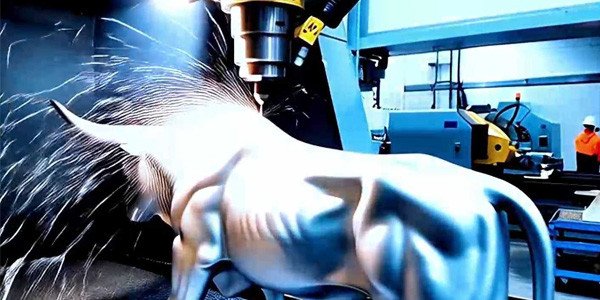
CNC Prototype Machining Service
CNC Rapid prototyping services are essential to modern advanced manufacturing, enabling engineers and product developers to move from concept to functional parts in days rather than months.
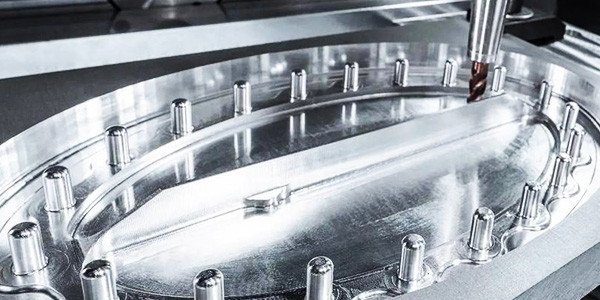
CNC Machining Low Volume Manufacturing
Low volume manufacturing (LVM) is characterized by production runs that are too small for high-volume techniques but too large for one-off prototyping.
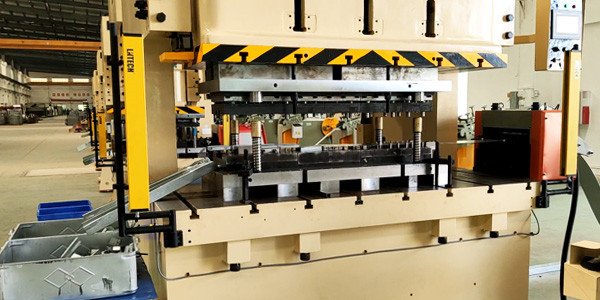
Custom Metal Stamping Service
Metal stamping is a cold-forming fabrication method that’s simple yet versatile. In this process, flat metal strips are fed into stamping equipment with tooling or dies.
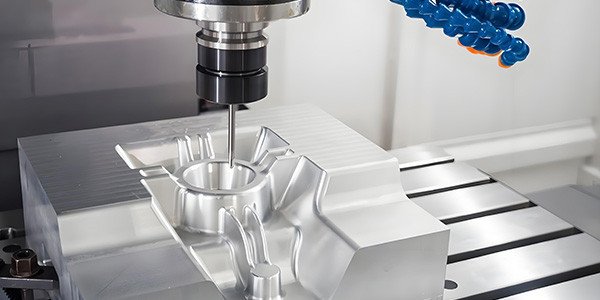
Custom Die Casting Service
Gazfull partners with the leading extrusion suppliers who utilize the most sophisticated technology to deliver high-quality extrusions.
Metal Extrusion Service
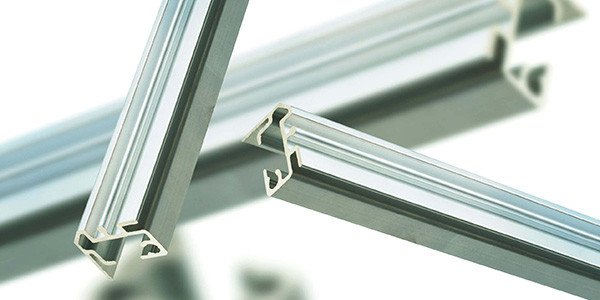
Metal extrusion is the manufacturing process of choice when producing high volumes of material with a constant cross-section. With the extrusion process, metal material is forced through the shaped opening of a die using high pressure, resulting in an extruded profile.
Get a quote
Email:info@gazfull.com
Ready to get started on your next project?
From one part to thousands of parts, we can help you accelerate your sheet metal projects using CNC machining Services in a cost-effective way. Contact us right now! info@gazfull.com