
CNC Machining Metal Parts +86-18169936698
Blog
We offer metal fabrication service and custom manufactured parts factory service
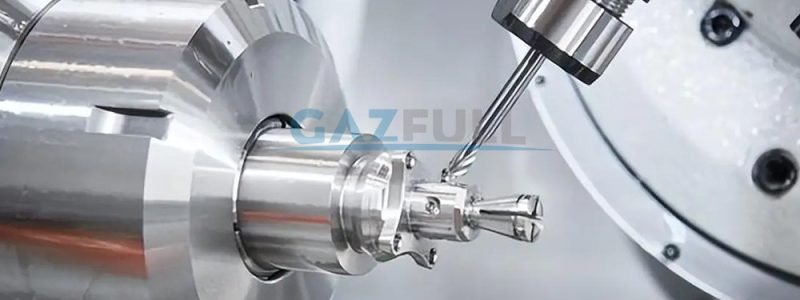
From Blank to Finished Part: A Comprehensive Guide to Process Control in CNC Machining of Large Parts
In the world of modern manufacturing, Computer Numerical Control (CNC) machining stands as the backbone of precision engineering. While the industry often marvels at the micron-level tolerances achieved on tiny watch components or medical devices, a different, equally impressive challenge lies in the machining of large parts. Components for aerospace wing spars, massive hydraulic press rams, wind turbine shafts, and large-scale mold bases do not simply fit into a standard machining center; they require a symphony of engineering discipline known as process control.
Machining a large part is not merely a scaled-up version of machining a small part. The physics changes. A temperature shift of a few degrees can expand a large aluminum plate by millimeters. The force required to remove material can cause the workpiece to lift off the fixture. The sheer weight of the blank can induce geometric distortion before a single chip is cut.
This article explores the end-to-end journey of a large part, from a raw “blank” to a certified finished product, detailing the critical process control strategies employed at every stage to ensure accuracy, efficiency, and repeatability.
Phase 1: The Foundation—Material Selection and Blank Preparation
The journey begins long before the CNC program starts. For large parts, the raw material—or “blank”—is the foundation of success.
1. Material Verification and Grain Structure
Large parts are typically sourced as forged blocks, rolled plates, or castings. Each comes with inherent residual stresses. For instance, a hot-rolled aluminum plate cools unevenly, leaving tension and compression forces trapped within the material.
-
Process Control: Upon arrival, the material undergoes ultrasonic testing to check for internal voids or inclusions. Certified mill test reports (MTRs) are verified to confirm chemical composition.
-
Stress Relieving: Before any machining, the blank often undergoes a stress-relieving process. For metals, this might involve thermal treatment (heating and slow cooling). For aluminum, “cryogenic processing” or controlled stretching (stress-relieved plate) is common. This step prevents the material from “moving” or warping later when the structural integrity is compromised by machining.
2. Pre-Machining and Reference Generation
The raw blank is never perfectly square or flat. The first operation, often performed on a large planer mill or a double-column machining center, is to create a true geometry.
-
Process Control: The operator establishes a “datuming” strategy. A “six-point principle” is used to locate the blank without over-constraint. Typically, the bottom face is machined flat first. Precision holes or ground surfaces (tooling balls) are then added to serve as permanent reference points. These references are used for every subsequent setup to ensure alignment across multiple operations.
Phase 2: The Blueprint—Process Planning and Fixture Design
Unlike small parts where “vices” are standard, large parts require bespoke solutions.
1. Fixturing: Managing Mass and Vibration
Holding a 5-ton part securely while subjecting it to tons of cutting force is a mechanical engineering challenge.
-
Process Control: Fixture design focuses on rigid support. Techniques include:
-
Modular Fixturing: Using a grid base with riser blocks and clamps to support specific features.
-
Vacuum Chucks: Ideal for large, thin plates (like composite molds) where clamping distortion must be avoided.
-
Tombstones and Angle Plates: Used to present the part in optimal orientations to reduce tool reach.
-
Hydraulic and Pneumatic Clamping: Allows for consistent clamping force, which is critical to avoid part distortion during clamping.
-
2. Cut Strategy Simulation
The CAM (Computer-Aided Manufacturing) programming for large parts is driven by toolpath strategy. The goal is to maintain consistent chip load while managing heat and stress release.
-
Process Control: Programmers use advanced simulation software (Vericut or similar) to analyze the entire process. They look for:
-
Rest Machining: Ensuring large tools don’t leave excess material that would break small finishing tools.
-
HSM (High Speed Machining) Techniques: Using trochoidal milling to take shallow radial cuts at high speeds, reducing heat buildup and allowing for higher feed rates.
-
Toolpath Order: Strategically machining features to maintain wall thickness stability.
-
Phase 3: The Execution—Environmental and Machine Control
With the plan in place and the part on the machine, the execution phase begins. Here, control extends beyond the machine’s axes.
1. Thermal Management
Thermal expansion is the enemy of large-part accuracy. A 2-meter steel part will grow by roughly 0.024mm for every 1°C change. Over the span of a large aerospace component, this can easily push features out of tolerance.
-
Process Control:
-
Machine Temperature Control: The machine tool itself is often equipped with cooling systems for its ballscrews and spindles (spindle chiller units).
-
Coolant Temperature Control: Flood coolant is not just for lubrication; it acts as a thermal stabilizer. High-end facilities use coolant temperature controllers to keep the fluid at a consistent temperature, usually matching the shop’s ambient temperature.
-
Soaking: Before critical machining, the part is brought into the shop and allowed to “soak” to room temperature for 24-48 hours to equalize.
-
2. In-Process Verification (IPV)
Waiting until the part is off the machine to measure it is a recipe for costly rework.
-
Process Control: Modern large-part machining relies heavily on probing.
-
Setup Verification: Before cutting begins, the probe checks the actual position of the blank against the CAD model. If the raw stock has excess material in one area, the program can be shifted to compensate.
-
In-Cycle Probing: After roughing passes, the part is probed to check for distortion caused by stress relief. The machine automatically updates the work coordinate system for the finishing pass to correct any movement.
-
Phase 4: The Finishing—Tolerance and Surface Integrity
Finishing a large part is a high-stakes operation. The part is nearing its final value, and a mistake here is expensive.
1. Tooling for Accuracy
In large-part machining, tool deflection is a primary concern. Long reach tools are often required to reach deep cavities.
-
Process Control: Engineers utilize specially designed toolholders (e.g., hydraulic or shrink-fit chucks) that provide maximum rigidity and runout accuracy. They also employ “semi-finishing” passes, leaving a consistent 0.5mm to 1mm of stock, ensuring the finishing tool encounters uniform cutting forces.
2. Manual Intervention and Skilled Labor
Despite high levels of automation, the human touch remains vital.
-
Process Control: Skilled machinists use “chatter detection” techniques—listening to the sound of the cut and adjusting speeds or feeds in real-time to prevent vibration marks on the surface. For parts requiring mirror finishes (like large printing rolls), specialized “wiper” inserts and consistent cutting parameters are strictly enforced.
Phase 5: The Validation—Metrology and Inspection
Once the machining stops, the assessment begins. Measuring a 3-meter part with micron-level precision is a logistical task in itself.
1. The Measurement Challenge
You cannot bring a 3-meter part onto a standard coordinate measuring machine (CMM) easily.
-
Process Control: Large-part inspection utilizes:
-
Portable CMM Arms: Articulated arms that allow an inspector to reach into the machine or onto the shop floor to probe features.
-
Laser Trackers: These devices track a reflector moved around the part, creating a 3D map of the entire surface. They are essential for verifying overall geometry, straightness, and flatness on massive scales.
-
White Light Scanning: For complex freeform surfaces (like turbine blades or car body dies), structured light scanners capture millions of data points to create a digital twin of the part for comparison against the CAD model.
-
2. First Article Inspection (FAI)
For production runs, the first part off the line undergoes a rigorous FAI. Every characteristic on the engineering drawing is checked and documented. This data serves as proof that the process control methods were effective and establishes a baseline for future production.
Challenges and Future Trends
The field of large-part machining is continuously evolving to address its inherent difficulties.
Current Challenges:
-
Chip Evacuation: In deep pockets, chips can re-weld themselves onto the surface or break tools. High-pressure coolant through the spindle is critical.
-
Gravity: As parts are unbolted from fixtures, they sag under their own weight. Process planners must “cut the part free” in the program in a way that mimics its final resting state, or use fixtures that support the part in its functional orientation.
Future Trends:
-
Hybrid Manufacturing: Combining large-scale 3D printing (additive manufacturing) with CNC machining. A near-net shape is printed, saving material cost, and then machined to final tolerances.
-
Digital Twins: Creating a complete virtual replica of the machine, part, and process. AI can predict tool wear and part distortion before they happen, adjusting parameters autonomously.
-
Automated Guided Vehicles (AGVs): Moving multi-ton parts between workstations without overhead cranes, increasing safety and efficiency.
Conclusion
Machining a large part is a test of patience, physics, and precision. It is a discipline where the margin for error is slim, but the cost of failure is immense. By meticulously controlling every stage of the process—from the metallurgy of the raw blank to the thermal stability of the workshop, and from the rigidity of the fixture to the accuracy of the laser tracker—manufacturers can reliably transform rough, heavy blocks of metal into the critical components that build our world.
The true mastery of CNC machining for large parts lies not in the size of the machine, but in the depth of the process control applied throughout the journey from blank to finished part.
Choose Gazfull CNC Machining Services
At Gazfull, we specialize in providing machining services that go beyond traditional manufacturing. We aim to optimize your processes and reduce production expenses while delivering high-quality results. Our expertise and state-of-the-art 3-axis cutting systems also enable us to handle all your custom needs efficiently and precisely.
Recent Posts
Gazfull CNC Machining Services

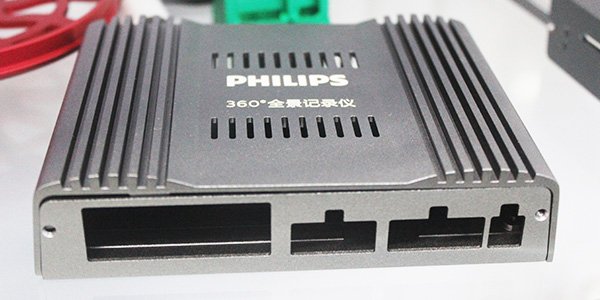
Custom CNC Metal Parts Machining Service
Gazfull CNC Machining, A manufacturer for CNC Machining Metal Parts. We offer metal fabrication service and custom manufactured parts factory service.
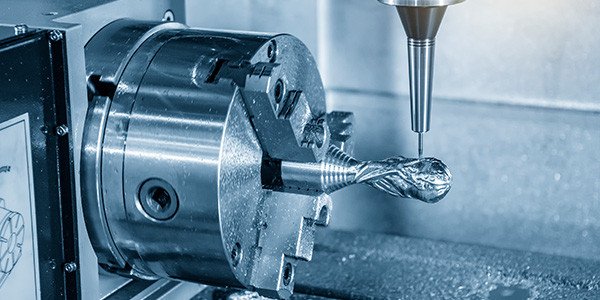
CNC Machining for Low Volume Production
We offer a full suite of CNC capabilities — including 3, 4, and 5-axis milling, Swiss-style turning, conventional turning, and mill-turn machining — to support low volume production.
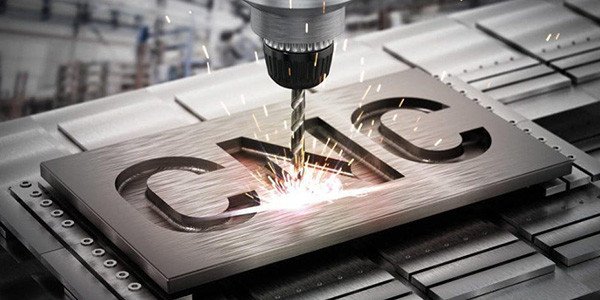
CNC Machining for High Volume Machining
High-volume CNC machining utilizes advanced computer-controlled machines that can execute machining operations at significantly higher speeds than traditional manual methods.
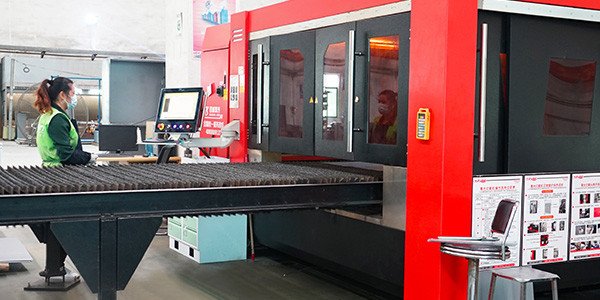
CNC Cutting Service
We are able to provide 2D and 3D product designs in a variety of colors. We excel at laser cutting hard and delicate materials, difficult and complex projects, and both large and small projects.
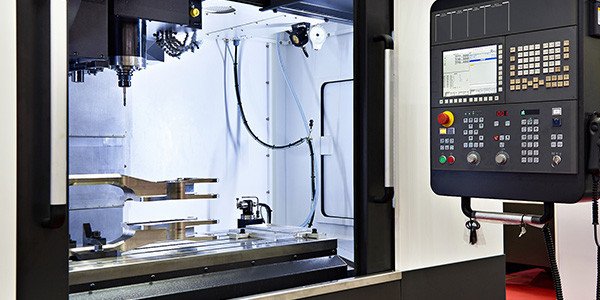
CNC Milling Service
We have dozens of in-house 5-axis CNC milling machines that can easily mill plastic and metal parts with tight tolerances and complex geometries. We also use 3-axis and 4-axis milling machines to provide low-cost machined parts.
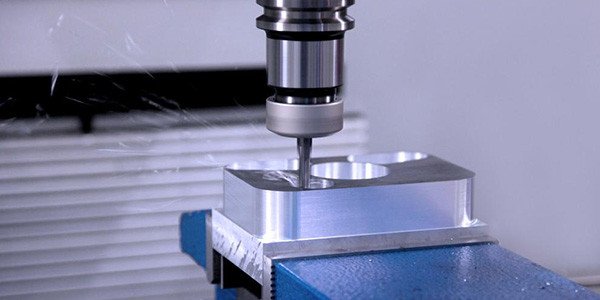
CNC Turning Service
Our commitment to excellence and dedication to transparency and efficiency have made us a key player in promoting the production and delivery of CNC turning parts, further improving the quality and precision of parts in various industries.
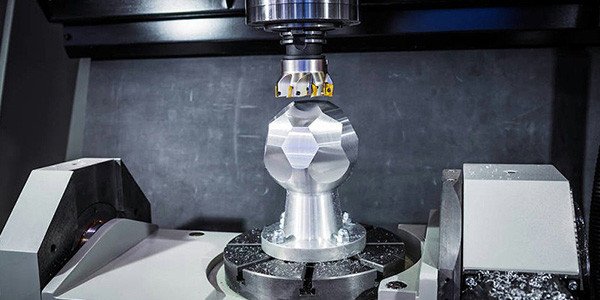
CNC Routing Service
CNC routing offers several advantages over traditional manual routing or other manufacturing methods. For example, plasma or laser cutting.

CNC Product Surface Treatment
CNC product surface treatment involves post-machining processes like anodizing, powder coating, electroplating, and polishing to enhance appearance, corrosion resistance, wear.

CNC Machining Metal Fabrication Service
Providing high-quality CNC Machining Fabricating Services services in China for a wide range of mechanical products, assemblies, and custom parts.
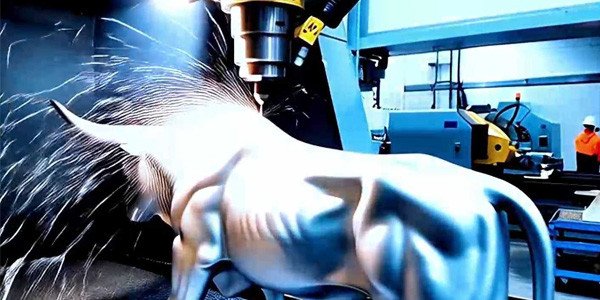
CNC Prototype Machining Service
CNC Rapid prototyping services are essential to modern advanced manufacturing, enabling engineers and product developers to move from concept to functional parts in days rather than months.
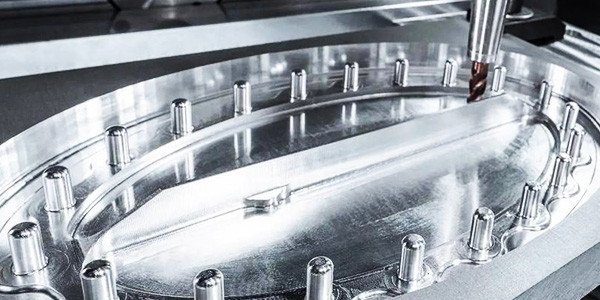
CNC Machining Low Volume Manufacturing
Low volume manufacturing (LVM) is characterized by production runs that are too small for high-volume techniques but too large for one-off prototyping.
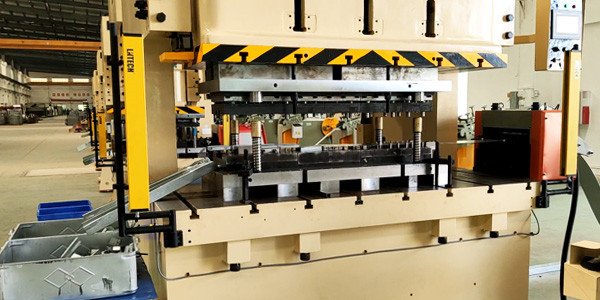
Custom Metal Stamping Service
Metal stamping is a cold-forming fabrication method that’s simple yet versatile. In this process, flat metal strips are fed into stamping equipment with tooling or dies.
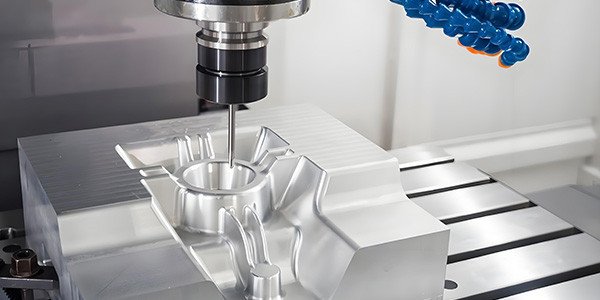
Custom Die Casting Service
Gazfull partners with the leading extrusion suppliers who utilize the most sophisticated technology to deliver high-quality extrusions.
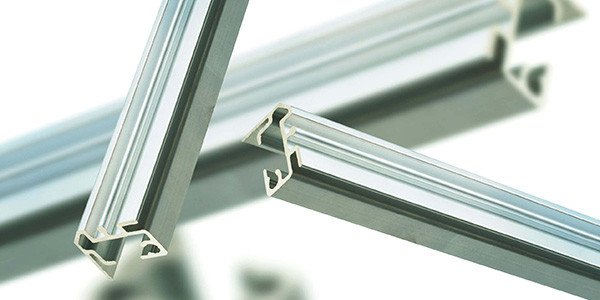
Metal Extrusion Service
Metal extrusion is the manufacturing process of choice when producing high volumes of material with a constant cross-section. With the extrusion process, metal material is forced through the shaped opening of a die using high pressure, resulting in an extruded profile.
Get a quote
Email:info@gazfull.com
Ready to get started on your next project?
From one part to thousands of parts, we can help you accelerate your sheet metal projects using CNC machining Services in a cost-effective way. Contact us right now! info@gazfull.com