
CNC Machining Metal Parts +86-18169936698
Blog
We offer metal fabrication service and custom manufactured parts factory service
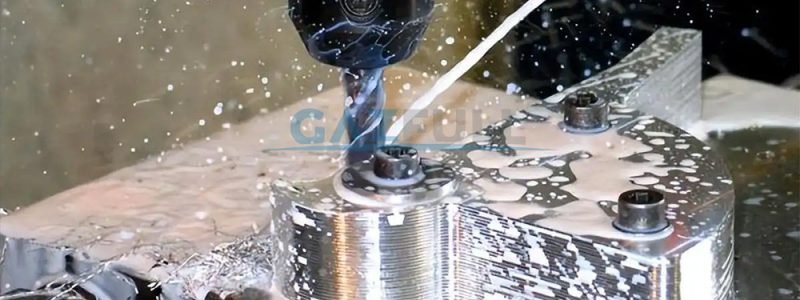
Jewelry Making Redefined: CNC Machining for Precious Metal Parts
For millennia, the art of jewelry making was synonymous with the skilled hands of a craftsperson. From the lost-wax casting techniques of ancient civilizations to the meticulous hammering and filing of a master goldsmith, the creation of adornments has been a deeply manual and time-honored process. The value of a piece was intrinsically linked to the human hours invested in its creation. However, the 21st century has ushered in a new era for this ancient craft. The integration of Computer Numerical Control (CNC) machining is not merely an incremental improvement; it is a fundamental redefinition of how precious metal parts are designed and manufactured.
CNC machining, a subtractive manufacturing process where computer-controlled tools remove material from a solid block, is revolutionizing jewelry production. It bridges the chasm between the artisan’s intricate vision and the precision of modern industrial technology. This article delves into the technical aspects of this transformation, exploring the machinery, materials, workflows, advantages, and future potential of CNC machining for precious metal components.
1. The CNC Workflow: From Digital Vision to Physical Form
The journey of a CNC-machined jewelry piece begins not at the bench, but on a computer screen. The process is a seamless integration of digital design and physical fabrication, typically following three key stages:
a) CAD Modeling (Computer-Aided Design): The artist or designer uses specialized software like RhinoGold, MatrixGold, or Blender to create a highly detailed 3D model of the jewelry piece. This digital environment offers unparalleled freedom. Complex geometries, undercuts, perfectly symmetrical settings, and intricate textures that would be incredibly challenging or impossible to execute by hand can be modeled with absolute precision. The designer has total control over every micron of the design, ensuring that the final piece will be an exact replica of the digital master.
b) CAM Programming (Computer-Aided Manufacturing): Once the 3D model is finalized, it is imported into CAM software. This is where the digital model is translated into a language the CNC machine can understand—G-code. The CAM programmer defines the entire machining strategy. This includes:
-
Toolpath Generation: The software calculates the most efficient paths for the cutting tools to follow to remove material and reveal the final shape. This involves roughing passes (removing bulk material quickly) and finishing passes (achieving the final surface detail and smoothness).
-
Tool Selection: The programmer selects the appropriate tools from an extensive library. For jewelry, these are often incredibly small end mills, ball mills, and engraving bits, sometimes as small as 0.1 mm in diameter, made from micro-grain carbide to withstand the forces of cutting hard metals.
-
Fixturing Strategy: A plan must be devised to securely hold the small, expensive piece of precious metal stock. This often involves custom-made soft jaws for a vice, double-sided tape, or specialized fixtures that hold the material from the bottom or sides, allowing the machine to access the top and all sides of the workpiece.
c) Machining: The G-code is sent to the CNC machine. The machine, often a high-precision milling center, then autonomously executes the program. Spindles whir at tens of thousands of revolutions per minute (RPM), and the machine axes move with sub-micron accuracy, guided by the digital blueprint. Coolant or lubricant is precisely applied to prevent heat buildup, which can distort the metal or cause tools to fail. The machine works tirelessly, transforming a raw, solid block of gold, silver, or platinum into a finished jewelry component with a level of consistency that human hands cannot replicate.
2. The Machinery of Micro-Manufacturing
While large industrial CNC machines are used for some applications, jewelry making typically relies on a class of machines designed for “micro-machining.” These machines are characterized by their exceptional rigidity, high spindle speeds, and extreme precision.
-
High-Speed Spindles: To effectively cut hard precious metals with tiny tools, spindle speeds of 30,000 to 60,000 RPM or higher are common. These high speeds allow for a higher feed rate (the speed at which the tool moves through the material) while maintaining a small chip load, preventing tool breakage and ensuring a superior surface finish.
-
Precision Linear Guides and Ball Screws: These components ensure that the machine’s movements are smooth, accurate, and repeatable. Any vibration or backlash (play in the movement) would be instantly visible on the finished surface of a highly polished piece of gold.
-
Tool Measurement and Tool Setters: Given the minuscule size of the tools, automatic tool setters are crucial. They precisely measure the length and diameter of each tool before it begins machining, compensating for any minute variations and ensuring the cuts are made at the exact correct depth.
3. Mastering the Material: Challenges of Precious Metals
Machining precious metals presents a unique set of metallurgical challenges that differ significantly from machining common materials like aluminum or steel. Understanding these challenges is key to successful CNC jewelry production.
-
Gumminess and Ductility: Pure gold, silver, and platinum are incredibly ductile and “gummy.” Instead of forming clean, small chips that are easily evacuated, the material tends to smear, tear, and stick to the cutting tool. This phenomenon, known as Built-Up Edge (BUE), can ruin a tool and the workpiece’s surface finish. To combat this, jewelers often machine alloys (like 14k or 18k gold) which are harder and more brittle due to the presence of copper, silver, and other metals. Even then, incredibly sharp tooling and specific cutting parameters are required.
-
Work Hardening: Some precious metal alloys, particularly certain stainless steels used in high-end watchmaking and some platinum alloys, work-harden rapidly. If the cut is too light, the tool will rub against the surface instead of cutting it, instantly hardening the material and making subsequent cuts nearly impossible. This demands a “take a real cut” philosophy, where the tool engages the material with a sufficient chip load to cut, not burnish.
-
Abrasive Nature: While pure gold is soft, many of the alloying elements used to give it color and strength can be highly abrasive. For example, the copper in rose gold or the nickel in white gold can cause significant tool wear. This necessitates the use of high-quality, wear-resistant coatings like AlTiN (Aluminum Titanium Nitride) on carbide tools to prolong their life.
-
High Material Cost: Perhaps the most obvious challenge is the cost of the raw material. A small block of platinum can be worth thousands of dollars. A single programming error or tool breakage can result in a total loss of that investment. This places an enormous premium on process reliability, simulation, and “proving out” the program on cheaper materials like brass or wax before committing to the precious metal stock.
4. Redefining Production: Advantages Over Traditional Methods
The adoption of CNC machining offers compelling advantages over traditional jewelry-making techniques, particularly casting and hand fabrication.
-
Uncompromising Precision and Repeatability: A CNC machine will produce the 100th piece in a run with the exact same tolerances as the first. This is paramount for pieces that require a perfect fit, such as the casing for a luxury watch, a complex linkage in a bracelet, or a stone setting where the gem must sit perfectly flush. This level of consistency is impossible to achieve with lost-wax casting, which is subject to shrinkage and mold variations.
-
Design Complexity and “Impossible” Geometries: CNC machining liberates the designer from many of the constraints of traditional manufacturing. Features like sharp internal corners, perfectly flat surfaces, deep engravings, and complex 3D contours can be machined directly. Designs that would be impossible to cast or too time-consuming to fabricate by hand become economically viable.
-
Material Integrity and Density: Casting can sometimes introduce porosity—tiny air bubbles trapped within the metal—which can weaken a piece or ruin its surface during polishing. Since CNC machining starts with a solid, wrought bar of metal that has been rolled or drawn, the resulting part has a uniform, dense grain structure. This results in a stronger, more durable final product with a higher polish-ability and luster.
-
Reduced Post-Processing: A well-executed CNC machining program can produce a part that is nearly ready for final finishing. Surfaces are smooth, edges are crisp, and details are well-defined. This drastically reduces the hours of manual sanding, filing, and polishing required for cast or hand-fabricated pieces, streamlining the production timeline.
5. A Synergistic Future: CNC and the Artisan
The narrative is not one of machines replacing the jeweler. Rather, CNC machining is a powerful new tool in the jeweler’s arsenal, a collaborative partner that enhances human creativity. The most successful modern jewelry studios are those that leverage the strengths of both.
The artisan’s eye, creativity, and understanding of form and aesthetics are irreplaceable. The designer still conceives the piece and imbues it with soul. The CNC machine then acts as a highly skilled, tireless assistant, executing the technically demanding aspects of the design with superhuman precision. After machining, the piece often returns to the artisan’s bench for final assembly, stone setting, and finishing—the subtle, human touches that give the piece its ultimate warmth and brilliance.
Furthermore, CNC is a perfect partner for lost-wax casting. Instead of carving a wax model by hand, a highly detailed master pattern can be machined in a special wax or a rigid resin. This master pattern is then used to create a silicone mold for wax injection, combining the precision of CNC with the scalability of the casting process for larger production runs.
6. The Future of Digital Goldsmithing
The trajectory of technology in jewelry making points toward even greater integration and capability. We are already seeing the rise of hybrid manufacturing, which combines additive processes like 3D printing with the subtractive precision of CNC. A piece could be printed near-net-shape to save material and then CNC-machined to achieve final tolerances and a perfect surface finish.
Automation is also on the horizon. Robotic arms are being integrated with CNC machines to load and unload parts, enabling “lights-out” manufacturing where production continues 24/7 with minimal human intervention. For larger production runs, this offers significant economic advantages. Meanwhile, advances in CAM software, driven by artificial intelligence, are beginning to automatically optimize toolpaths and cutting strategies, making the technology more accessible to designers who are not also machining experts.
In conclusion, CNC machining has irrevocably redefined the landscape of jewelry making. By fusing the limitless potential of digital design with the uncompromising accuracy of computer-controlled fabrication, it has unlocked new levels of complexity, quality, and efficiency. It has not rendered the goldsmith obsolete but has instead elevated the craft, transforming the modern jeweler into a digital artisan—a master of both the stylus and the spindle, capable of bringing the most ambitious visions to life, atom by atom, in the most precious of materials.
Choose Gazfull CNC Machining Services
At Gazfull, we specialize in providing machining services that go beyond traditional manufacturing. We aim to optimize your processes and reduce production expenses while delivering high-quality results. Our expertise and state-of-the-art 3-axis cutting systems also enable us to handle all your custom needs efficiently and precisely.
Recent Posts
Gazfull CNC Machining Services

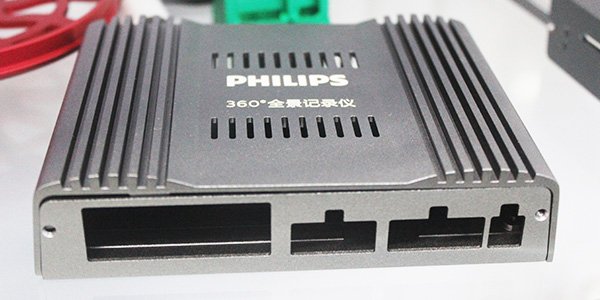
Custom CNC Metal Parts Machining Service
Gazfull CNC Machining, A manufacturer for CNC Machining Metal Parts. We offer metal fabrication service and custom manufactured parts factory service.
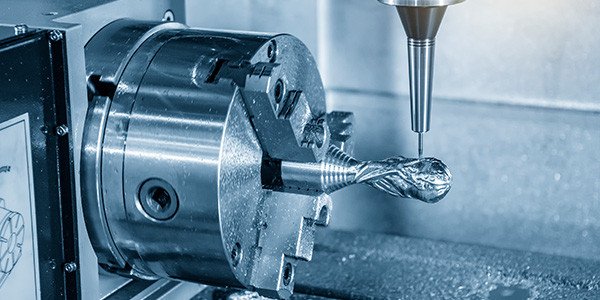
CNC Machining for Low Volume Production
We offer a full suite of CNC capabilities — including 3, 4, and 5-axis milling, Swiss-style turning, conventional turning, and mill-turn machining — to support low volume production.
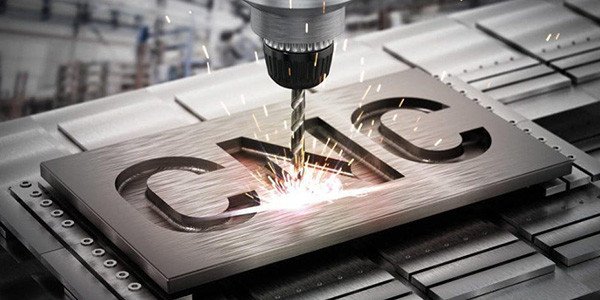
CNC Machining for High Volume Machining
High-volume CNC machining utilizes advanced computer-controlled machines that can execute machining operations at significantly higher speeds than traditional manual methods.
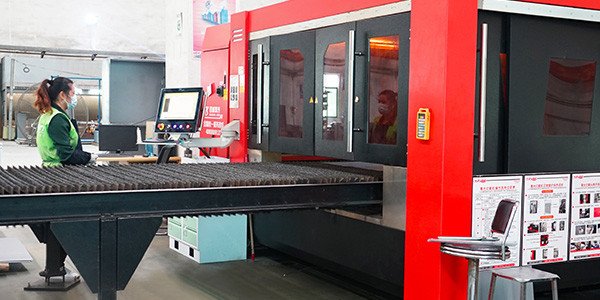
CNC Cutting Service
We are able to provide 2D and 3D product designs in a variety of colors. We excel at laser cutting hard and delicate materials, difficult and complex projects, and both large and small projects.
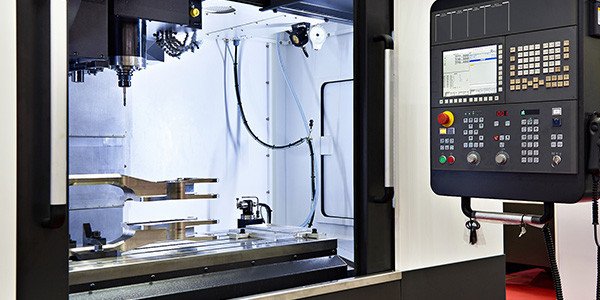
CNC Milling Service
We have dozens of in-house 5-axis CNC milling machines that can easily mill plastic and metal parts with tight tolerances and complex geometries. We also use 3-axis and 4-axis milling machines to provide low-cost machined parts.
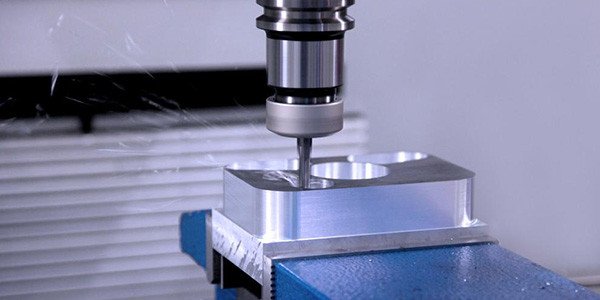
CNC Turning Service
Our commitment to excellence and dedication to transparency and efficiency have made us a key player in promoting the production and delivery of CNC turning parts, further improving the quality and precision of parts in various industries.
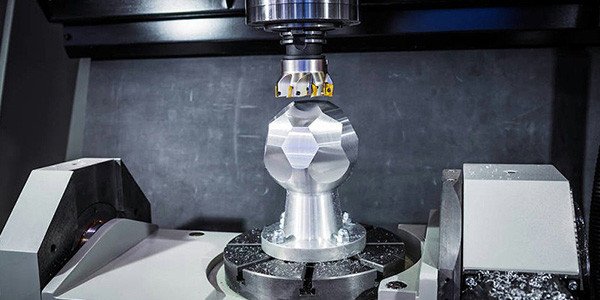
CNC Routing Service
CNC routing offers several advantages over traditional manual routing or other manufacturing methods. For example, plasma or laser cutting.

CNC Product Surface Treatment
CNC product surface treatment involves post-machining processes like anodizing, powder coating, electroplating, and polishing to enhance appearance, corrosion resistance, wear.

CNC Machining Metal Fabrication Service
Providing high-quality CNC Machining Fabricating Services services in China for a wide range of mechanical products, assemblies, and custom parts.
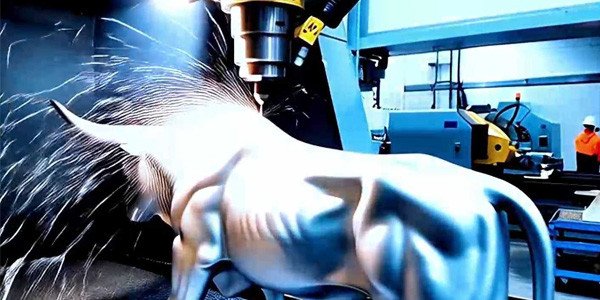
CNC Prototype Machining Service
CNC Rapid prototyping services are essential to modern advanced manufacturing, enabling engineers and product developers to move from concept to functional parts in days rather than months.
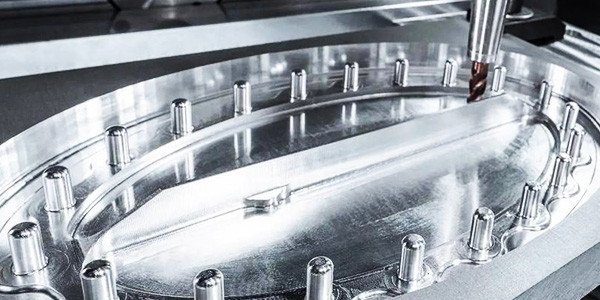
CNC Machining Low Volume Manufacturing
Low volume manufacturing (LVM) is characterized by production runs that are too small for high-volume techniques but too large for one-off prototyping.
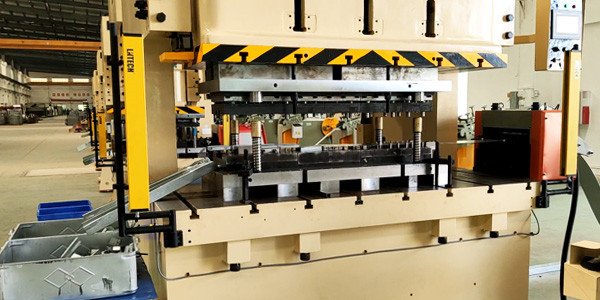
Custom Metal Stamping Service
Metal stamping is a cold-forming fabrication method that’s simple yet versatile. In this process, flat metal strips are fed into stamping equipment with tooling or dies.
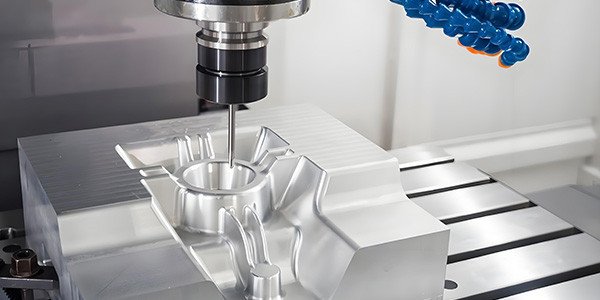
Custom Die Casting Service
Gazfull partners with the leading extrusion suppliers who utilize the most sophisticated technology to deliver high-quality extrusions.
Metal Extrusion Service
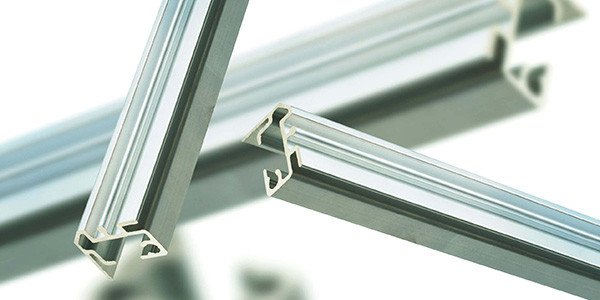
Metal extrusion is the manufacturing process of choice when producing high volumes of material with a constant cross-section. With the extrusion process, metal material is forced through the shaped opening of a die using high pressure, resulting in an extruded profile.
Get a quote
Email:info@gazfull.com
Ready to get started on your next project?
From one part to thousands of parts, we can help you accelerate your sheet metal projects using CNC machining Services in a cost-effective way. Contact us right now! info@gazfull.com