
CNC Machining Metal Parts +86-18169936698
Blog
We offer metal fabrication service and custom manufactured parts factory service
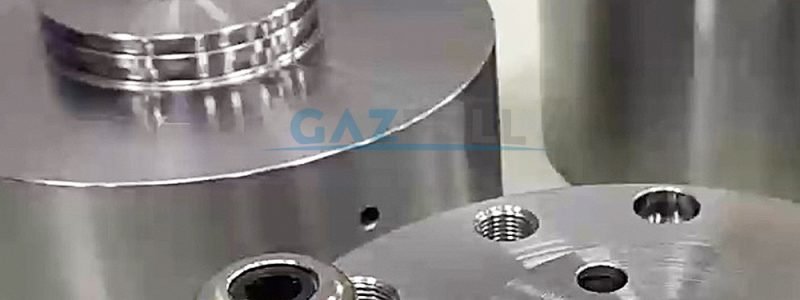
Reaching New Heights in Mold Manufacturing: Key CNC Technologies for Large Automotive Panel Dies
The automotive industry’s relentless pursuit of lightweighting, enhanced safety, and aesthetic appeal has led to increasingly complex vehicle body designs. Curvaceous fenders, sharp character lines on door panels, and large, integrated body sides are now the norm. At the heart of producing these sheet metal components lies the stamping process, and at the core of stamping are the dies—the massive, precision tools that shape raw metal into finished parts.
Manufacturing large automotive cover panel dies, such as those for complete body sides, roofs, or hoods, represents the pinnacle of mold-making challenges. These dies, often weighing tens of tons and measuring several meters in length, demand exceptional geometric accuracy, surface finish, and structural integrity. To meet these demands, the industry has pushed Computer Numerical Control (CNC) machining to new heights. This article explores the key CNC machining technologies that enable the successful production of these colossal and critical components.
1. The Challenge of Scale and Precision
Before delving into solutions, it is crucial to understand the specific challenges posed by large cover panel dies.
-
Geometric Complexity: Cover panels are Class A surfaces, meaning they are highly visible and must be flawless. They feature complex compound curves, deep draws, and sharp radii. Translating this digital design into a physical die with mirror-like finishes is a monumental task.
-
Dimensional Accuracy: Tolerances on critical features are often measured in microns. A deviation of just 0.1mm on a die surface can result in a mismatched panel gap on the final vehicle, leading to wind noise or poor fit. This accuracy must be maintained across a work envelope spanning several meters.
-
Material Challenges: Die components are typically made from high-hardness materials like cast iron (e.g., GGG70L) or tool steel, chosen for their wear resistance and ability to withstand the immense forces of stamping. These materials are difficult to machine and prone to work hardening.
-
Workpiece Instability: Large castings have inherent residual stresses from the casting and heat treatment processes. As material is removed, these stresses are relieved, causing the workpiece to shift or distort during machining. This makes it difficult to hold tolerances, especially in finishing operations.
-
Thermal Effects: The massive amount of energy required to cut large dies generates significant heat. If not managed properly, this heat can cause thermal expansion of both the tool and the workpiece, leading to inaccuracies that only appear once the part cools down.
Overcoming these challenges requires a holistic approach, integrating advanced machine tools, sophisticated tooling, and intelligent programming strategies.
2. The Foundation: High-Rigidity, High-Precision Machine Tools
The first pillar of success is the machine tool itself. Standard CNC machining centers are inadequate for this scale of work. Manufacturers rely on high-speed, large-scale gantry machining centers or heavy-duty floor-type boring mills. These machines are purpose-built for the task, featuring:
-
Massive Structures: Built from polymer concrete or heavily ribbed cast iron, the machine base provides exceptional damping characteristics, absorbing cutting vibrations that could otherwise mar the surface finish. This rigidity is essential for maintaining stability during heavy roughing cuts and delicate finishing passes.
-
Linear Guideways and Ball Screws: High-precision linear guides and large-diameter, pre-tensioned ball screws on all axes ensure smooth, accurate, and backlash-free movement, even when moving multi-ton loads.
-
High-Power, High-Speed Spindles: Modern die-sinking spindles offer a dual personality. They deliver high torque at low rpm for ripping through hardened steel in the roughing stage and can ramp up to 15,000-24,000 rpm or more for high-speed finishing of complex surfaces with small tools. Integrated spindle cooling maintains thermal stability.
-
Multi-Axis Capability (5-Axis Machining): While 3-axis machining can produce the shape, 5-axis technology is indispensable for large dies. By tilting the tool (via a swivel head or trunnion table), the cutter can maintain an optimal, constant engagement with the surface. This “sturz milling” or “lead/tilt” method provides significant benefits:
-
Improved Surface Finish: By using the side of the ball-end mill rather than the tip (where cutting speed approaches zero), surface finishes are dramatically improved, reducing or even eliminating the need for manual polishing.
-
Reduced Cycle Times: The ability to use larger step-over values and shorter tools (due to better clearance) allows for faster material removal rates without sacrificing quality.
-
Access to Deep Cavities: Tilting the tool allows it to reach into deep draw areas that would be impossible with a straight 3-axis approach, avoiding collisions between the tool holder and the workpiece.
-
3. The Cutting Edge: Tooling Strategies for Large-Scale Material Removal
The choice of cutting tools and their application is a science in itself. The goal is to maximize material removal rates (MRR) during roughing while ensuring a stable, precise, and stress-free finishing process.
-
Roughing: High-Feed Milling: The roughing stage is about hogging out vast amounts of material as quickly and efficiently as possible. High-feed mills are the go-to tool here. These cutters use specialized inserts with a small entering angle (typically around 15-20 degrees). This design redirects the cutting forces axially into the machine spindle (the stiffest part of the machine) rather than radially. This allows for exceptionally high feed rates, even when machining hard materials and taking shallow depths of cut.
-
Semi-Finishing: Constant Stock Removal: The goal of semi-finishing is to create a near-net shape with a uniform stock allowance (e.g., 0.5mm) for the finishing pass. This is critical for maintaining consistent tool deflection and cutting conditions during finishing. Advanced CAM software is used to create trochoidal or adaptive toolpaths that maintain a constant tool engagement angle, preventing tool overload and ensuring a steady cut.
-
Finishing: The Pursuit of the “As-Machined” Surface: The ultimate goal is to achieve the final surface quality directly from the machine tool, minimizing manual polishing, which can ruin precise geometry. This is achieved through:
-
Ball Nose and Toroidal Cutters: Finishing typically employs solid carbide ball nose end mills or toroidal (bull nose) cutters for larger radii areas. PCD (Polycrystalline Diamond) tools are also used for non-ferrous or abrasive materials like aluminum or high-silicon aluminum for their exceptional wear resistance.
-
High-Speed Machining (HSM) Strategies: HSM is not just about high rpm. It is a methodology based on light radial cuts, high feed rates, and smooth, continuous toolpaths. This maintains a constant chip load, minimizes heat buildup in the part, and transfers the heat to the chip, resulting in a cooler, more dimensionally stable workpiece.
-
Optimized Toolpath Strategies: The CAM software is the brain of the operation. It generates complex strategies like:
-
Constant Scallop Machining: Varies the step-over to ensure a consistent cusp height across the entire surface, regardless of its curvature.
-
Raster and Flowline Cuts: Optimizes toolpath direction based on the natural flow of the surface geometry.
-
Pencil Tracing: A dedicated pass to clean out material in fillets and corners, ensuring a sharp, defined radius.
-
-
4. The Digital Twin: Simulation and Verification
Given the immense cost of a machine tool collision or a scrapped die blank, simulation is not optional—it is mandatory. Before a single chip is cut, a “digital twin” of the entire machining process is created.
-
Material Removal Simulation: Advanced CAM software simulates the exact material removal process, allowing programmers to visually verify the toolpaths, check for gouges, and ensure all areas are machined correctly.
-
Machine Tool Simulation and Collision Detection: This software models the entire machine tool (head, spindle, tool holder, fixtures, and the die itself) and runs the G-code to check for potential collisions between moving parts. This is particularly critical in 5-axis machining, where complex head movements can easily lead to crashes with the tall walls of a large die.
-
Force and Deflection Analysis: Some advanced systems can even simulate the cutting forces and predict tool deflection, allowing programmers to adjust feed rates or strategies to compensate for predicted inaccuracies.
5. Mastering the Process: Workholding, Probing, and Thermal Control
The final piece of the puzzle lies in the subtle but critical aspects of process control.
-
Intelligent Workholding: Large dies cannot simply be clamped in a standard vise. They are typically mounted on precision riser blocks and secured with hydraulically or mechanically actuated clamps. The positioning of these clamps is carefully planned to provide maximum support while allowing full access for the cutting tool. The support points must be placed to minimize vibration and deflection under cutting loads.
-
In-Process Probing and Compensation: Modern machines function as metrology platforms. Renishaw or similar probes are used throughout the process:
-
Setup: To precisely locate the die blank on the machine table, compensating for any imperfections in the casting’s positioning.
-
In-Process: After roughing, the die can be probed to check for distortion caused by stress relief. The CAM system can then “warp” the finishing toolpaths to match the actual, as-roughed condition of the part, ensuring the finishing pass removes the correct amount of stock.
-
Post-Process: Upon completion, the probe can perform a final inspection of critical features, generating a detailed report on the die’s accuracy.
-
-
Thermal Management: To combat thermal distortion, many high-end machines feature:
-
Coolant Temperature Control: The high-pressure coolant delivered through the spindle and tool is maintained at a constant temperature slightly below the machine’s ambient temperature.
-
Ball Screw Cooling: The core of the ball screws is cooled to prevent thermal expansion that would affect positional accuracy.
-
Scale Feedback: Linear glass scales provide real, high-resolution positional feedback to the CNC controller, eliminating errors from thermal growth or mechanical backlash in the drive system.
-
Conclusion
The CNC machining of large automotive cover panel dies is a symphony of advanced engineering. It is a field where the brute force required to shape tons of steel meets the nano-scale precision of a fine finishing pass. The “new heights” being reached are not just about the physical size of the dies but the sophisticated integration of technology that makes their production possible.
From the rock-solid foundation of a gantry mill and the flexibility of 5-axis kinematics to the intelligence of HSM toolpaths and the fidelity of a digital twin simulation, each technology plays a vital role. The result is the ability to produce dies that are not only larger and more complex but also more accurate and with higher surface quality than ever before. This relentless pursuit of perfection in the tool room directly translates to the sleek, safe, and high-quality vehicles on our roads today, and it will continue to be the driving force behind the automotive designs of tomorrow. As machine intelligence, sensor technology, and cutting tool materials continue to evolve, the only limit to the size and complexity of the dies we can create will be our imagination.
Choose Gazfull CNC Machining Services
At Gazfull, we specialize in providing machining services that go beyond traditional manufacturing. We aim to optimize your processes and reduce production expenses while delivering high-quality results. Our expertise and state-of-the-art 3-axis cutting systems also enable us to handle all your custom needs efficiently and precisely.
Recent Posts
Gazfull CNC Machining Services

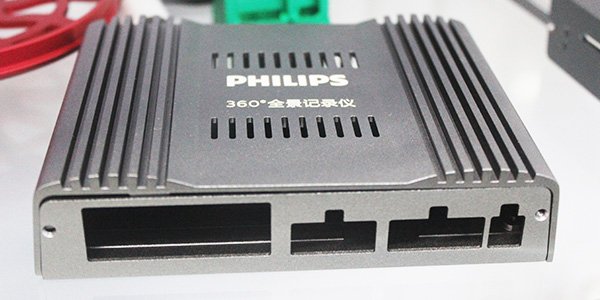
Custom CNC Metal Parts Machining Service
Gazfull CNC Machining, A manufacturer for CNC Machining Metal Parts. We offer metal fabrication service and custom manufactured parts factory service.
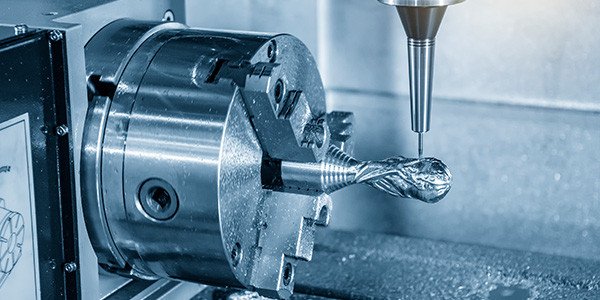
CNC Machining for Low Volume Production
We offer a full suite of CNC capabilities — including 3, 4, and 5-axis milling, Swiss-style turning, conventional turning, and mill-turn machining — to support low volume production.
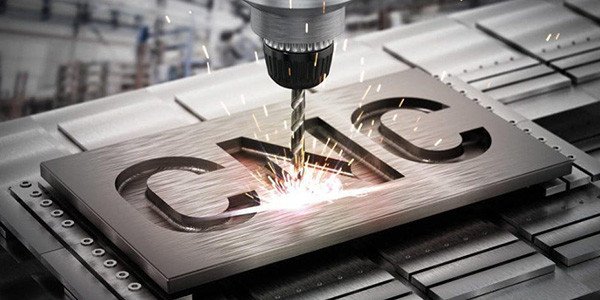
CNC Machining for High Volume Machining
High-volume CNC machining utilizes advanced computer-controlled machines that can execute machining operations at significantly higher speeds than traditional manual methods.
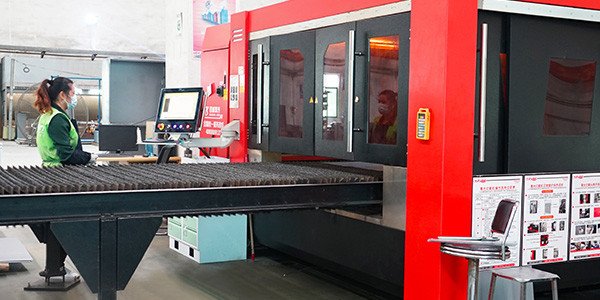
CNC Cutting Service
We are able to provide 2D and 3D product designs in a variety of colors. We excel at laser cutting hard and delicate materials, difficult and complex projects, and both large and small projects.
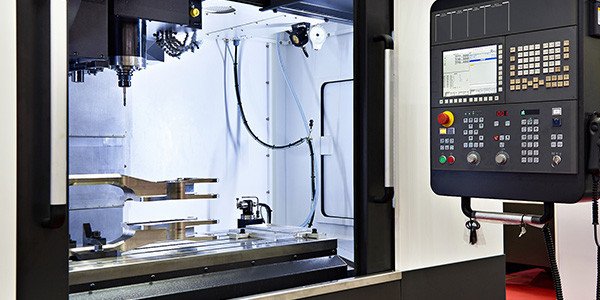
CNC Milling Service
We have dozens of in-house 5-axis CNC milling machines that can easily mill plastic and metal parts with tight tolerances and complex geometries. We also use 3-axis and 4-axis milling machines to provide low-cost machined parts.
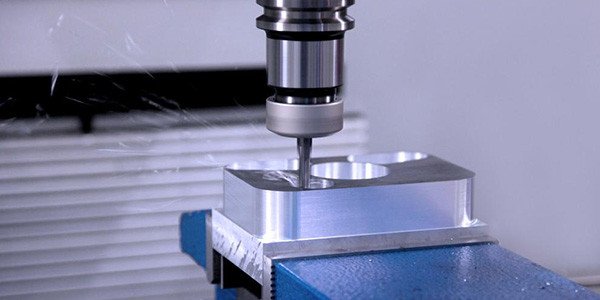
CNC Turning Service
Our commitment to excellence and dedication to transparency and efficiency have made us a key player in promoting the production and delivery of CNC turning parts, further improving the quality and precision of parts in various industries.
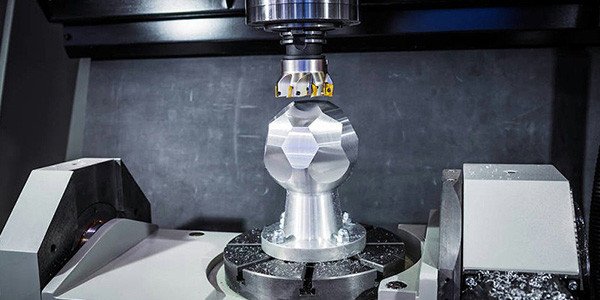
CNC Routing Service
CNC routing offers several advantages over traditional manual routing or other manufacturing methods. For example, plasma or laser cutting.

CNC Product Surface Treatment
CNC product surface treatment involves post-machining processes like anodizing, powder coating, electroplating, and polishing to enhance appearance, corrosion resistance, wear.

CNC Machining Metal Fabrication Service
Providing high-quality CNC Machining Fabricating Services services in China for a wide range of mechanical products, assemblies, and custom parts.
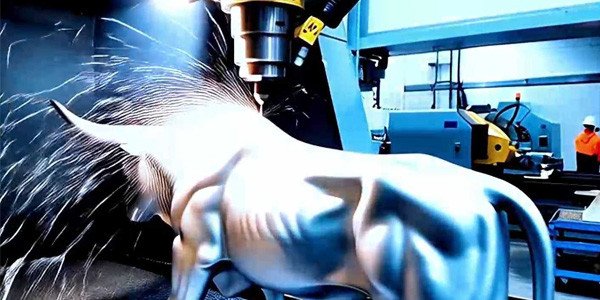
CNC Prototype Machining Service
CNC Rapid prototyping services are essential to modern advanced manufacturing, enabling engineers and product developers to move from concept to functional parts in days rather than months.
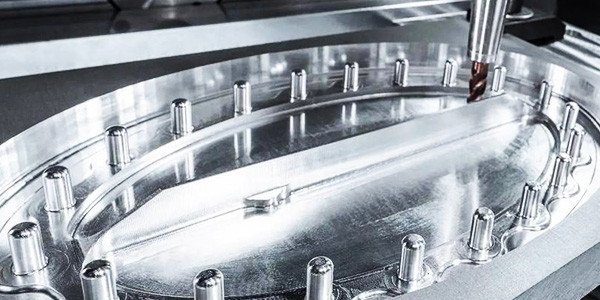
CNC Machining Low Volume Manufacturing
Low volume manufacturing (LVM) is characterized by production runs that are too small for high-volume techniques but too large for one-off prototyping.
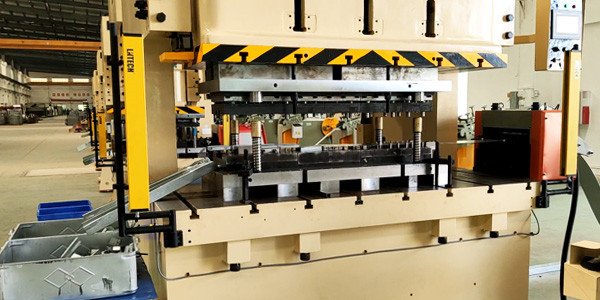
Custom Metal Stamping Service
Metal stamping is a cold-forming fabrication method that’s simple yet versatile. In this process, flat metal strips are fed into stamping equipment with tooling or dies.
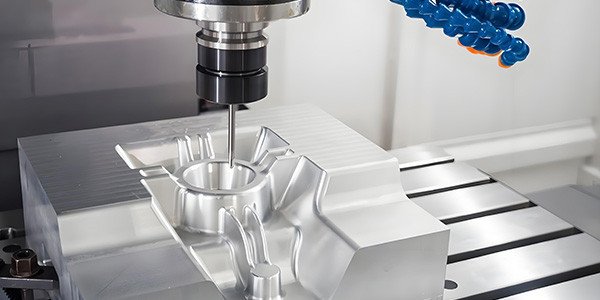
Custom Die Casting Service
Gazfull partners with the leading extrusion suppliers who utilize the most sophisticated technology to deliver high-quality extrusions.
Metal Extrusion Service
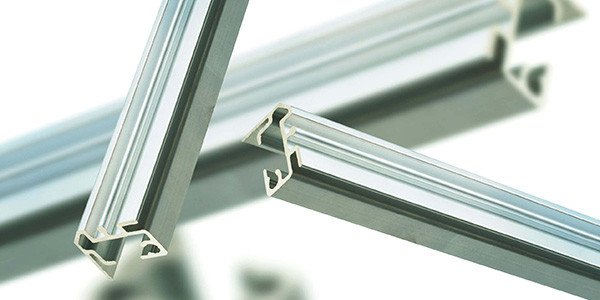
Metal extrusion is the manufacturing process of choice when producing high volumes of material with a constant cross-section. With the extrusion process, metal material is forced through the shaped opening of a die using high pressure, resulting in an extruded profile.
Get a quote
Email:info@gazfull.com
Ready to get started on your next project?
From one part to thousands of parts, we can help you accelerate your sheet metal projects using CNC machining Services in a cost-effective way. Contact us right now! info@gazfull.com