
CNC Machining Metal Parts +86-18169936698
Blog
We offer metal fabrication service and custom manufactured parts factory service
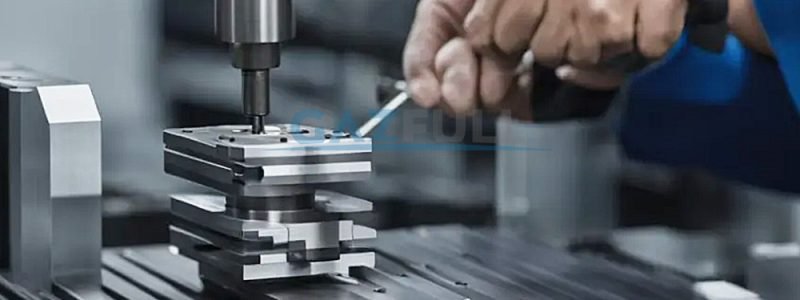
Achieve Unmatched Precision: CNC Machining for Small Metal Parts
In the realms of aerospace, medical devices, electronics, and micro-mechanics, the difference between success and failure is often measured in microns. As devices continue to miniaturize and performance demands increase, the components that power our technology must shrink without sacrificing strength or accuracy. This is the domain of CNC machining for small metal parts—a discipline that pushes manufacturing technology to its absolute limits.
While standard machining deals with brackets and housings, micro-machining operates in a world where a human hair (approx. 70 microns) is considered large. Achieving unmatched precision at this scale requires more than just a small cutting tool; it requires a holistic ecosystem of advanced machinery, rigid workholding, thermal stability, and meticulous programming. This article explores the technologies, challenges, and best practices required to produce minuscule metal components with tolerances that defy the imagination.
The Definition of “Precision” in the Micro-Domain
Before delving into the “how,” we must define the “what.” In the context of small parts, “unmatched precision” typically refers to components that fit within a 2-inch (50 mm) cube, featuring features like holes, slots, and contours measured in micrometers.
Here, standard machining tolerances of ±0.005″ (0.127 mm) are insufficient. True precision micro-machining operates within the realm of ±0.0001″ to ±0.0002″ (2.5 µm to 5 µm) . In some cases, for critical mating surfaces in optics or fuel systems, tolerances can push even tighter, into the sub-micron range.
Achieving this level of accuracy consistently across a production run requires the elimination of virtually every variable that can introduce error.
The Technological Pillars of Micro-Machining
To consistently produce small metal parts with exceptional precision, a machine shop must integrate several key technologies.
1. Ultra-High Speed Spindles (UHS)
Conventional milling spindles running at 10,000 RPM are often too slow and lack the necessary balance for micro-tools. When using a tool as small as 0.1 mm in diameter, the chipload (the amount of material removed per tooth) must be incredibly small to prevent tool deflection and breakage.
To maintain an effective cutting speed with such a minuscule chipload, the spindle must rotate at extremely high velocities. Modern micro-machining centers utilize spindles that operate from 30,000 to 60,000 RPM, and in specialized cases, up to 200,000 RPM. These spindles feature advanced ceramic bearings and thermal control systems to minimize vibration (runout) at high speeds.
2. Rigid Machine Construction
Counterintuitively, as parts get smaller, the machine tool must often get more rigid. Any vibration or chatter is magnified at the micro-level, destroying surface finishes and breaking delicate tools.
High-precision machining centers for small parts are constructed using polymer concrete or heavily ribbed cast iron bases that absorb vibration. They utilize linear guideways and ballscrews preloaded to eliminate backlash. The goal is to create a platform so stable that the only movement occurring is the intended path of the tool.
3. Advanced Tooling Geometry
Standard end mills have geometries designed for bulk material removal. Micro-tools, often made from sub-micron grain carbide, require specialized geometries. The cutting edges must be exceptionally sharp and the flutes highly polished to prevent material from “gumming up” (built-up edge).
For small metal parts, tool coatings are also critical. Coatings like AlTiN (Aluminum Titanium Nitride) or DLC (Diamond-Like Carbon) reduce friction and heat, allowing for better chip evacuation and longer tool life when machining difficult materials like stainless steel, titanium, or Inconel.
Overcoming the Challenges of Miniaturization
Machining small metal parts is not merely “scaling down” a standard process. Unique physical challenges arise that defy conventional machining logic.
The “Chip Evacuation” Paradox
In standard machining, we rely on coolant pressure and gravity to clear chips. When drilling a 0.5 mm hole, the chip is so small that surface tension and static electricity can cause it to stick to the tool or the part. If the chip is not evacuated, the tool will quickly recut it, leading to clogging (packing) and immediate tool breakage.
The Solution: Micro-machining often utilizes high-pressure coolant through the spindle (through-tool coolant) or precise air blasts combined with “pecking” cycles (where the tool retracts frequently to clear debris) to ensure the cutting zone remains clean.
Deflection vs. Breakage
As tool diameter decreases, its strength drops exponentially. A 0.2 mm end mill is incredibly fragile. If the tool encounters a hard spot in the material or if the feed rate is slightly too high, the tool will deflect. In macro-machining, deflection might cause a taper or a slight dimensional inaccuracy. In micro-machining, deflection leads to immediate breakage.
The Solution: Toolpath strategies must be optimized to maintain a consistent chip load. Trochoidal milling paths, which keep the tool in constant, light contact with the material rather than plunging deep into a slot, are essential for preserving delicate tools.
Thermal Stability
At the micro-level, metal expands due to heat. A machine shop that is comfortable for a human (e.g., 72°F) can see temperature fluctuations throughout the day as the sun moves or the HVAC cycles. A change of even 2-3 degrees Fahrenheit can cause the spindle, ballscrews, or the metal part itself to expand enough to push a precision feature out of tolerance.
The Solution: Facilities dedicated to high-precision small parts are temperature-controlled to ±1°F or less. Machines are often warmed up for hours before production begins to reach a steady-state thermal equilibrium.
Material Considerations for Small Metal Parts
The machinability of a material changes drastically at the micro-level. Hardness and grain structure become major factors.
-
Stainless Steel (303, 304, 316): These are common but challenging. They are gummy and work-harden quickly. Machining them requires very sharp tools and aggressive speeds to cut under the work-hardened layer before it forms.
-
Aluminum (6061, 7075): Aluminum is friendly to micro-tools due to its softness, but its gummy nature can cause built-up edge. Polished flutes and high surface speeds are key.
-
Brass and Copper: These materials machine beautifully, offering excellent surface finishes. However, they are ductile and can produce “burrs” that are larger than the features themselves. Deburring micro-parts often requires secondary processes like thermal deburring or electropolishing.
-
Titanium and Superalloys: These are the ultimate test of micro-machining. Their low thermal conductivity means heat stays in the tool, rapidly wearing it down. Success requires rigid setups, high-pressure coolant, and toolpaths designed to manage heat.
Best Practices in Design for Manufacturing (DFM)
Engineers designing small metal parts must collaborate with machinists to ensure the design is actually producible. Here are key DFM principles for micro-machining:
-
Aspect Ratio Limits: A standard rule of thumb is that the depth of a hole or pocket should not exceed 3x the diameter of the tool (3:1 ratio). While 5:1 is possible with specialist tools, deeper features require custom ground tooling and significantly increase cycle time and risk.
-
Avoid Sharp Internal Corners: A square corner requires a tiny end mill to clean out the leftover material. Instead, design radii in internal corners. A radius that matches a standard tool size (e.g., 0.5 mm, 1.0 mm) is far more cost-effective than forcing a machinist to use an 0.2 mm tool to clean out a sharp corner.
-
Consider Wall Thickness: Very thin walls (less than 0.1 mm) will vibrate during machining (chatter), leading to poor finish or part deformation. If thin walls are required, consider designing the part to be machined with extra material (stock) that is removed in a secondary EDM (Electrical Discharge Machining) operation for a burr-free finish.
-
Tolerance Rationalization: Only specify tight tolerances where functionally necessary. Requiring ±0.0001″ on a non-critical outer diameter forces the machinist to use slower speeds, more frequent inspections, and specialized handling, driving up costs exponentially.
Quality Assurance: Measuring the Unmeasurable
How do you verify “unmatched precision” when the parts are smaller than a grain of rice? Standard micrometers and calipers are useless.
Quality control for micro-machining relies on advanced metrology:
-
Optical Comparators and Vision Systems: These use backlighting and high-resolution cameras to measure part geometries without touching them. They are excellent for 2D profiles.
-
Laser Micrometers: These scan the part with a laser beam to capture diameters and runout with high accuracy.
-
Coordinate Measuring Machines (CMMs): For micro-parts, CMMs are equipped with tiny probes (often made of ruby or silicon) and extremely low contact forces to map 3D geometries without deflecting the part.
-
White Light Interferometry: Used for measuring surface finish, this technology uses light waves to create a 3D map of the surface, revealing tool marks and roughness at the nanometer level.
The Future of Micro-Machining
As the demand for small metal parts grows, so does the technology. The integration of Machine Learning (ML) and IoT sensors is beginning to allow machines to predict tool breakage before it happens by analyzing spindle load and vibration signatures. Furthermore, the combination of Additive Manufacturing (3D printing) with CNC machining (hybrid manufacturing) allows for the creation of near-net-shape small parts with complex internal geometries that are then finished to micron-level precision by CNC.
Conclusion
Achieving unmatched precision in CNC machining for small metal parts is a symphony of advanced engineering. It requires machines that defy vibration, tools that are almost invisible to the naked eye, and a climate-controlled environment that remains static even as the world outside changes.
For industries relying on miniaturization—from implantable medical devices to next-generation aerospace sensors—the ability to machine metal with micron-level accuracy is not just a manufacturing capability; it is the gateway to innovation. By understanding the principles of micro-machining and partnering with a machine shop equipped to handle its unique challenges, engineers can bring even the most intricate designs to life with absolute confidence.
Choose Gazfull CNC Machining Services
At Gazfull, we specialize in providing machining services that go beyond traditional manufacturing. We aim to optimize your processes and reduce production expenses while delivering high-quality results. Our expertise and state-of-the-art 3-axis cutting systems also enable us to handle all your custom needs efficiently and precisely.
Recent Posts
Gazfull CNC Machining Services

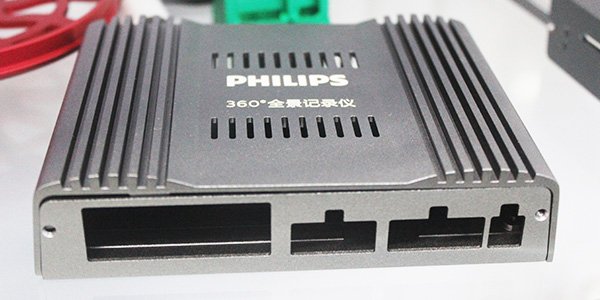
Custom CNC Metal Parts Machining Service
Gazfull CNC Machining, A manufacturer for CNC Machining Metal Parts. We offer metal fabrication service and custom manufactured parts factory service.
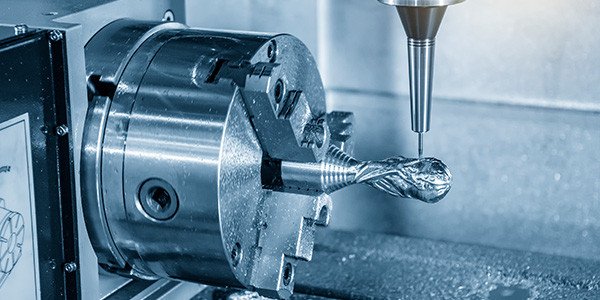
CNC Machining for Low Volume Production
We offer a full suite of CNC capabilities — including 3, 4, and 5-axis milling, Swiss-style turning, conventional turning, and mill-turn machining — to support low volume production.
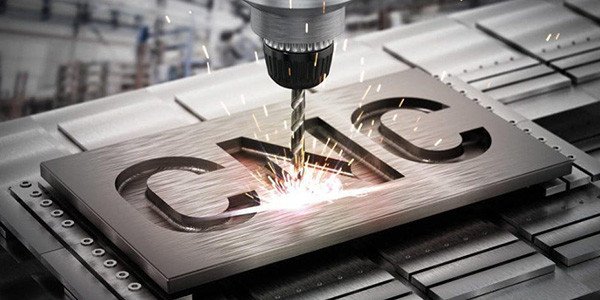
CNC Machining for High Volume Machining
High-volume CNC machining utilizes advanced computer-controlled machines that can execute machining operations at significantly higher speeds than traditional manual methods.
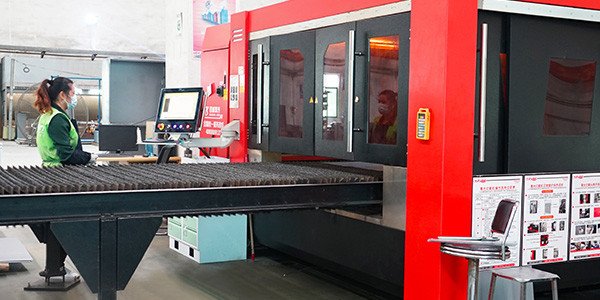
CNC Cutting Service
We are able to provide 2D and 3D product designs in a variety of colors. We excel at laser cutting hard and delicate materials, difficult and complex projects, and both large and small projects.
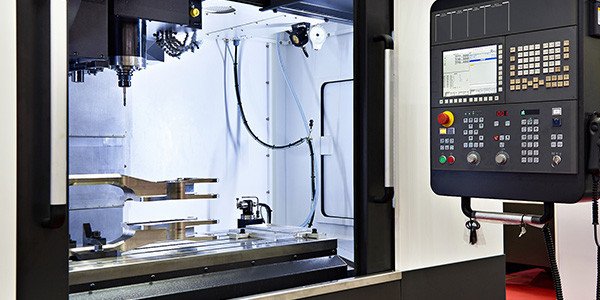
CNC Milling Service
We have dozens of in-house 5-axis CNC milling machines that can easily mill plastic and metal parts with tight tolerances and complex geometries. We also use 3-axis and 4-axis milling machines to provide low-cost machined parts.
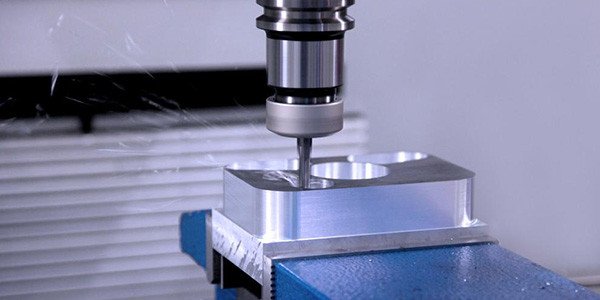
CNC Turning Service
Our commitment to excellence and dedication to transparency and efficiency have made us a key player in promoting the production and delivery of CNC turning parts, further improving the quality and precision of parts in various industries.
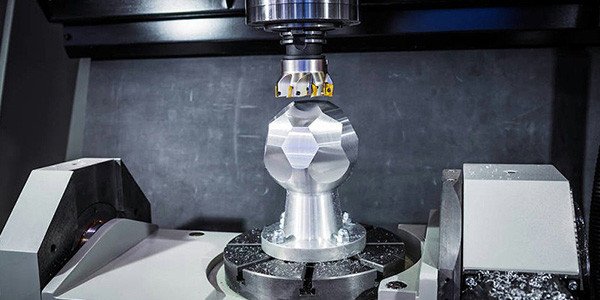
CNC Routing Service
CNC routing offers several advantages over traditional manual routing or other manufacturing methods. For example, plasma or laser cutting.

CNC Product Surface Treatment
CNC product surface treatment involves post-machining processes like anodizing, powder coating, electroplating, and polishing to enhance appearance, corrosion resistance, wear.

CNC Machining Metal Fabrication Service
Providing high-quality CNC Machining Fabricating Services services in China for a wide range of mechanical products, assemblies, and custom parts.
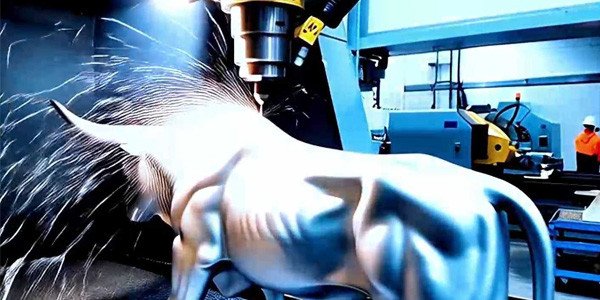
CNC Prototype Machining Service
CNC Rapid prototyping services are essential to modern advanced manufacturing, enabling engineers and product developers to move from concept to functional parts in days rather than months.
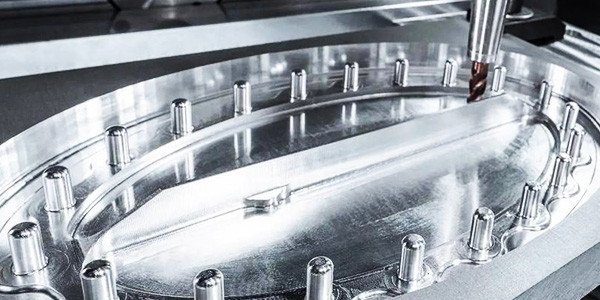
CNC Machining Low Volume Manufacturing
Low volume manufacturing (LVM) is characterized by production runs that are too small for high-volume techniques but too large for one-off prototyping.
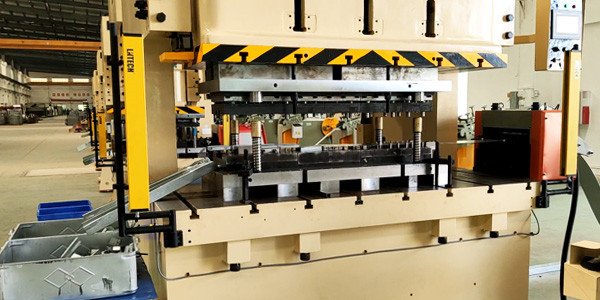
Custom Metal Stamping Service
Metal stamping is a cold-forming fabrication method that’s simple yet versatile. In this process, flat metal strips are fed into stamping equipment with tooling or dies.
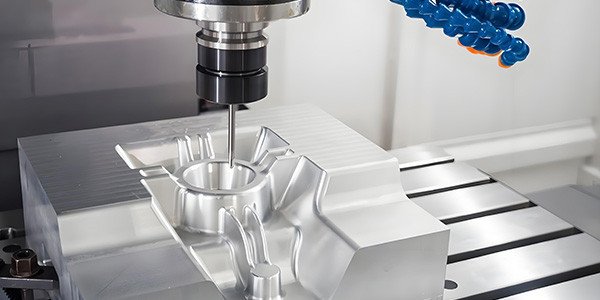
Custom Die Casting Service
Gazfull partners with the leading extrusion suppliers who utilize the most sophisticated technology to deliver high-quality extrusions.
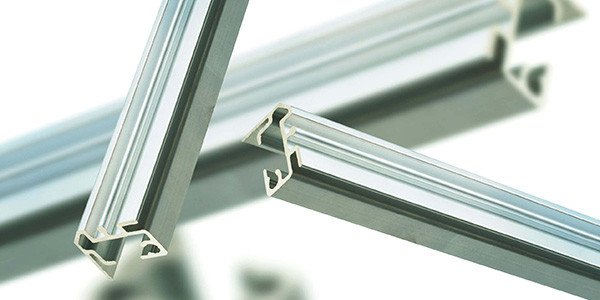
Metal Extrusion Service
Metal extrusion is the manufacturing process of choice when producing high volumes of material with a constant cross-section. With the extrusion process, metal material is forced through the shaped opening of a die using high pressure, resulting in an extruded profile.
Get a quote
Email:info@gazfull.com
Ready to get started on your next project?
From one part to thousands of parts, we can help you accelerate your sheet metal projects using CNC machining Services in a cost-effective way. Contact us right now! info@gazfull.com