
CNC Machining Metal Parts +86-18169936698
Blog
We offer metal fabrication service and custom manufactured parts factory service
How To Choose The Best CNC Router For Your Industry
No two businesses use CNC routers in exactly the same way. A sign maker in Norwich has very different needs from an aerospace engineer in Bristol, and a yacht builder on the south coast won’t be shopping for the same features as a furniture manufacturer in Yorkshire. That’s why there is no single “best” CNC router. The best machine is the one that aligns with your industry’s materials, your applications, your production volumes and your growth ambitions.
In this article we’ll set out a clear framework for choosing wisely. We’ll explain the key criteria you should consider, show how these play out across different UK industries, and explore the cost and return on investment factors that can make or break your decision. Whether you’re upgrading from your first 3-axis workhorse or specifying a new 5-axis system to enter high-value markets, this guide will help you match the right machine to your business.
Shop for CNC routers by axis.
1. The decision framework: start with your work
The most reliable way to narrow down your CNC router options is to begin with your own workload. Machine specifications only make sense when you place them against the demands of the jobs you actually do.
Key questions to ask
The quickest way to narrow down your options is to ask targeted questions about your materials, part geometry, tolerances, and ROI expectations. These answers will shape your decision far more than technical jargon.
- What materials do we cut most often? Wood, MDF, plywood, composites, plastics, aluminium, steel?
- What are the geometries of our parts? Mostly flat panels, or complex 3D contours?
- What tolerances do we require? Millimetres, tenths, or microns?
- What sizes do we need to accommodate? Full sheet panels, medium components, or large moulds?
What throughput do we need? High-volume production, or low-volume prototypes?
- What is our budget and expected ROI? Do we need a reliable workhorse at the lowest cost, or is capability and efficiency the priority?
- What skills do our operators have? Are they comfortable with 3-axis CAM, or do we have (or plan to develop) 5-axis programming expertise?
By mapping these questions to your situation, you can quickly eliminate unsuitable options and focus on routers that will pay back in efficiency, accuracy and profitability.
2. How different industries map to CNC routers
Different sectors place very different demands on CNC technology. Let’s look at how the decision framework applies in practice.
Woodworking and furniture making
Furniture and joinery companies need reliability and large work areas to handle sheet goods efficiently while maintaining fine detail.
- Applications: cabinetry, bespoke furniture, decorative panels, joinery components.
- Materials: MDF, plywood, solid timber, laminates.
- Router needs:
- Large work area for full sheet cutting.
- Strong vacuum beds to hold sheet materials.
- High spindle speeds (18,000–24,000 RPM) for clean cuts.
- Dust extraction to maintain finish quality and workplace safety.
- Best fit: High-spec 3-axis routers with nesting software and automatic tool changers.
Sign making and display fabrication
Sign makers and display specialists require versatility to switch quickly between materials, with precision for detailed cuts and fast turnaround.
- Applications: signage, exhibition stands, retail displays, shopfitting.
- Materials: foamex, acrylic, aluminium composites, plywood, MDF.
- Router needs:
- Versatility across mixed materials.
- Quick setup and changeovers.
- Precision cutting for letters, logos and fine details.
- Best fit: 3-axis routers with excellent vacuum hold-down, multiple spindle options and intuitive software.
Plastics and composites manufacturing
Plastics and composites work calls for machines that balance speed, chip evacuation and finish quality, particularly where health and safety regulations apply.
- Applications: plastics fabrication, composite trimming, lightweight structural components.
- Materials: acrylics, polycarbonates, GRP, CFRP, sandwich panels.
- Router needs:
High spindle speeds for plastics.- Chip extraction and fume control for composites.
- 3- or 5-axis capability depending on geometry.
- Best fit: Advanced 3-axis for flat panel work; 5-axis routers for complex composite forms and trimming.
Aerospace and automotive industries
In aerospace and automotive, accuracy, rigidity and the ability to handle complex 3D forms are essential to meet demanding tolerances.
- Applications: moulds, plugs, drilling, trimming and surface machining of composite and metal parts.
Materials: aluminium, titanium alloys, advanced composites, high-performance plastics. - Router needs:
- 5-axis capability for multi-face machining.
- High rigidity and accuracy.
- Probing and verification systems to protect quality.
- Advanced CAM software and collision avoidance.
- Best fit: 5-axis routers with long-reach tooling, large envelopes, and robust support.
Marine and yacht building
Yacht and boat builders need routers capable of machining large-scale moulds and sweeping forms, often with heavy-duty 5-axis performance.
- Applications: large plugs, hull and deck moulds, composite components.
- Materials: foams, GRP, carbon fibre, plywood.
- Router needs:
Extra-large work area.- 5-axis motion for sweeping forms.
- Heavy-duty rigidity for long toolpaths.
- Best fit: Large-format 5-axis routers with trunnion tables or gantry heads, designed for extended runs.
Prototyping and R&D
- Applications: product development, rapid prototyping, experimental designs.
- Materials: plastics, composites, foams, light metals.
- Router needs:
- Flexibility across different materials.
- Smaller footprint and ease of use.
- Fast setup and modular tooling.
- Best fit: Compact 3-axis routers for early-stage work; hybrid 5-axis options for advanced prototyping.
3. Cost, ROI and growth considerations
Price alone doesn’t tell the story. A lower-cost router that struggles with your workload will be more expensive in the long run than a higher-capex machine that eliminates rework, reduces setups and unlocks premium contracts.
READ: Choosing The Right CNC Tools In Industry
Total cost of ownership (TCO)
Every machine comes with hidden costs. Beyond purchase price, factor in tooling, software, maintenance and the people who’ll run it.
- Acquisition: machine, tooling, extraction, electricals, software.
- Operating: tooling wear, power, spares, preventive maintenance.
- People: programming time, training, setup time, inspection.
- Opportunity: efficiency gains, new jobs you can win, waste you can avoid.
ROI drivers
A CNC router should be seen as an investment, not an expense. Different machines deliver ROI in different ways — from throughput on flat panels to setup elimination and entry into new markets.
- 3-axis routers: throughput on flat panels, lower overhead, easy onboarding.
- 5-axis routers: setup elimination, higher precision, entry into high-value markets.
Plan ROI over 3–5 years, not just year one. Align the investment with your industry’s margins, your growth plans and the contracts you want to win.
READ: A Guide To Costs And Investment In CNC Machining
4. A practical checklist for buyers
Having a clear checklist can help you make sense of all the variables. Use it to ensure you cover every angle before committing to a purchase.
- Define your top 10 repeat jobs and the next 10 you want to win.
- Note the materials, geometries, tolerances and sizes involved.
- For each job, map current setups, cycle time, rework and finish needs.
- Decide whether flat-panel throughput or complex 3D access is more critical.
- Confirm the skills and CAM resources available in your business.
- Model the total cost of ownership and payback.
- Test machines with your own parts, not just vendor demos.
- Confirm after-sales support, spares and engineer coverage in the UK.
READ: A Comprehensive Commercial CNC Router Buying Guide
5. Choosing with confidence: Gazfull support
At CNC World we don’t believe in “one size fits all.” Our role is to help UK businesses match the right router to their industry’s needs. That means:
- Application-first assessment: reviewing your workload, materials and tolerances.
- Live demonstrations: cutting your parts, not just showroom samples.
- Training and onboarding: from 3-axis basics to advanced 5-axis programming.
- After-sales support: UK-based engineers, stocked spares and preventive maintenance.
Whether you’re a sign maker looking for speed and simplicity, or an aerospace supplier moving into 5-axis composites machining, we’ll help you specify a machine that delivers results today and supports your growth tomorrow.
Choosing the best CNC router is less about brand names or headline specifications and more about aligning capability with industry-specific work. A furniture shop may need a high-speed 3-axis with a large bed and reliable dust extraction, while a marine yard will only realise ROI with a large-format 5-axis. By starting with your jobs, mapping your requirements to router capabilities, and considering ROI over the long term, you can invest with confidence.
If you’d like expert support in making that choice, contact Gazfull to arrange a consultation or a live demo of your parts.
Recent Posts
CNC Machining Sheet Metal Fabrication Techniques
CNC Machining for Metal Fabrication: The Ultimate Guide
3-axis vs 5-axis CNC routers: Which is right for your business?
How To Choose The Best CNC Router For Your Industry

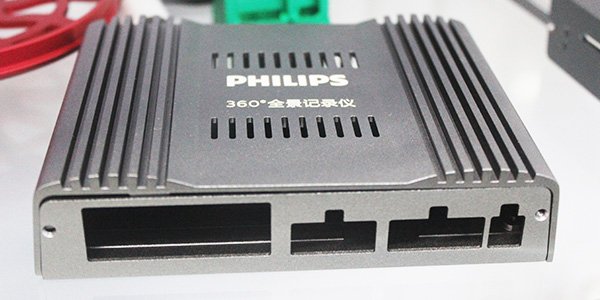
Custom CNC Metal Parts Machining Service
Gazfull CNC Machining, A manufacturer for CNC Machining Metal Parts. We offer metal fabrication service and custom manufactured parts factory service.
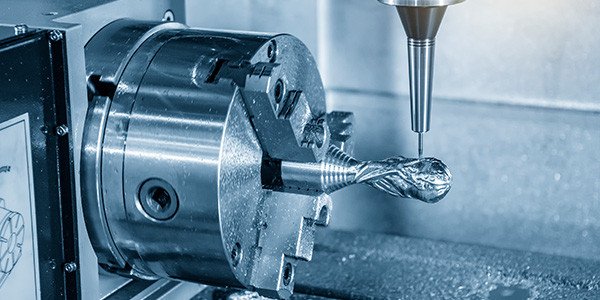
CNC Machining for Low Volume Production
We offer a full suite of CNC capabilities — including 3, 4, and 5-axis milling, Swiss-style turning, conventional turning, and mill-turn machining — to support low volume production.
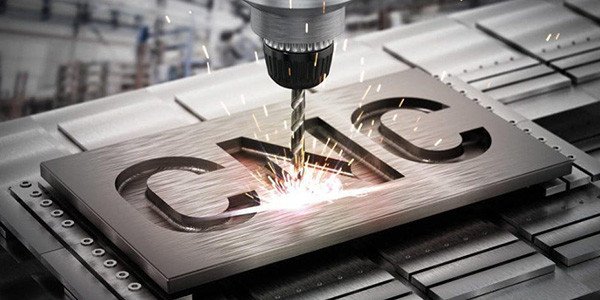
CNC Machining for High Volume Machining
High-volume CNC machining utilizes advanced computer-controlled machines that can execute machining operations at significantly higher speeds than traditional manual methods.
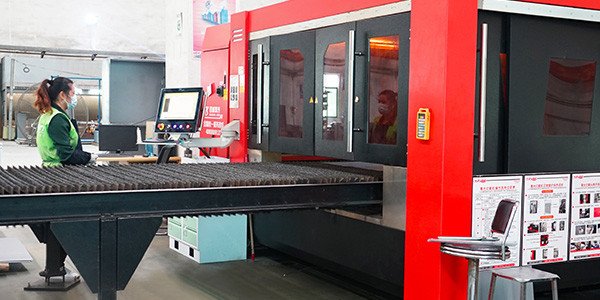
CNC Cutting Service
We are able to provide 2D and 3D product designs in a variety of colors. We excel at laser cutting hard and delicate materials, difficult and complex projects, and both large and small projects.
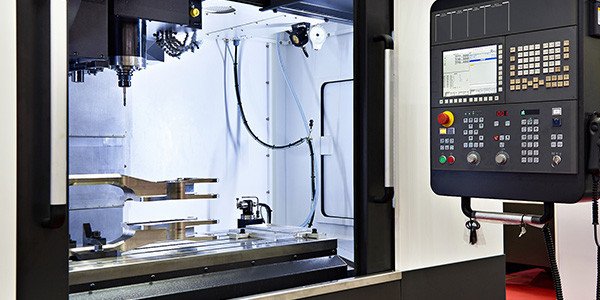
CNC Milling Service
We have dozens of in-house 5-axis CNC milling machines that can easily mill plastic and metal parts with tight tolerances and complex geometries. We also use 3-axis and 4-axis milling machines to provide low-cost machined parts.
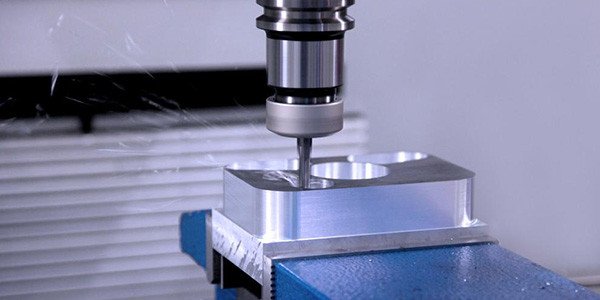
CNC Turning Service
Our commitment to excellence and dedication to transparency and efficiency have made us a key player in promoting the production and delivery of CNC turning parts, further improving the quality and precision of parts in various industries.
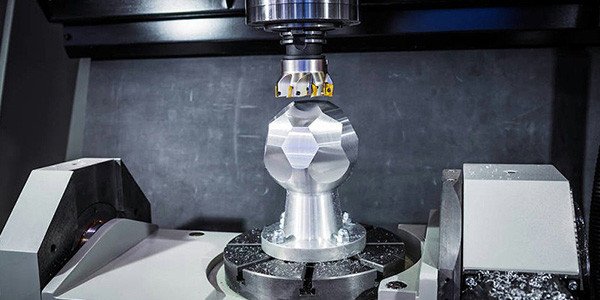
CNC Routing Service
CNC routing offers several advantages over traditional manual routing or other manufacturing methods. For example, plasma or laser cutting.

CNC Product Surface Treatment
CNC product surface treatment involves post-machining processes like anodizing, powder coating, electroplating, and polishing to enhance appearance, corrosion resistance, wear.

CNC Machining Metal Fabrication Service
Providing high-quality CNC Machining Fabricating Services services in China for a wide range of mechanical products, assemblies, and custom parts.
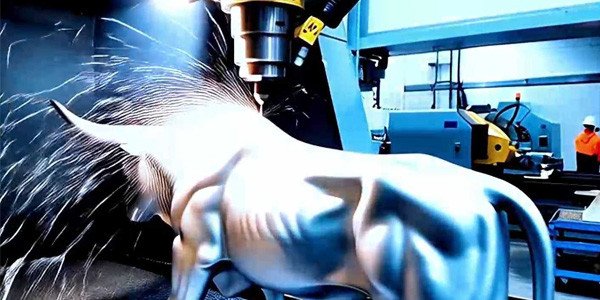
CNC Prototype Machining Service
CNC Rapid prototyping services are essential to modern advanced manufacturing, enabling engineers and product developers to move from concept to functional parts in days rather than months.
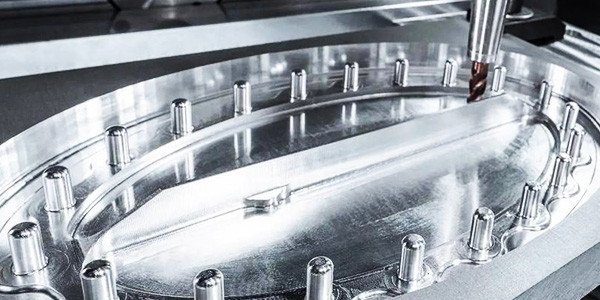
CNC Machining Low Volume Manufacturing
Low volume manufacturing (LVM) is characterized by production runs that are too small for high-volume techniques but too large for one-off prototyping.
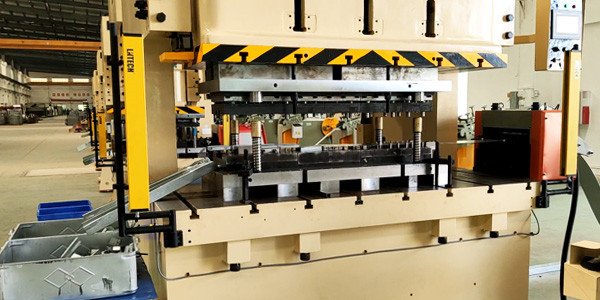
Custom Metal Stamping Service
Metal stamping is a cold-forming fabrication method that’s simple yet versatile. In this process, flat metal strips are fed into stamping equipment with tooling or dies.
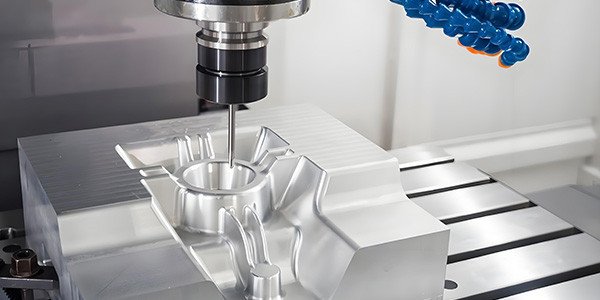
Custom Die Casting Service
Gazfull partners with the leading extrusion suppliers who utilize the most sophisticated technology to deliver high-quality extrusions.
Get a quote
Email:info@gazfull.com
Ready to get started on your next project?
From one part to thousands of parts, we can help you accelerate your sheet metal projects using CNC machining Services in a cost-effective way. Contact us right now! info@gazfull.com