CNC Product Surface Treatment
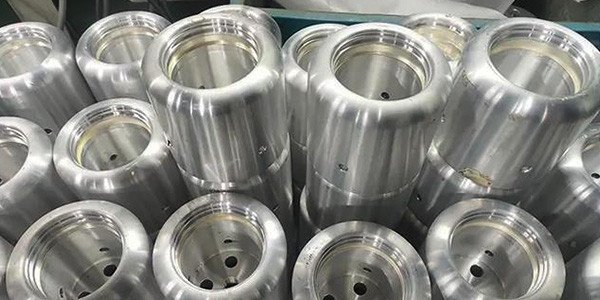
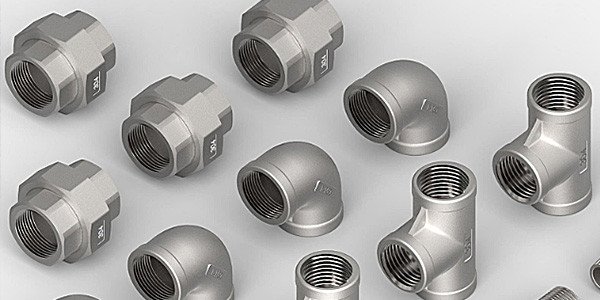
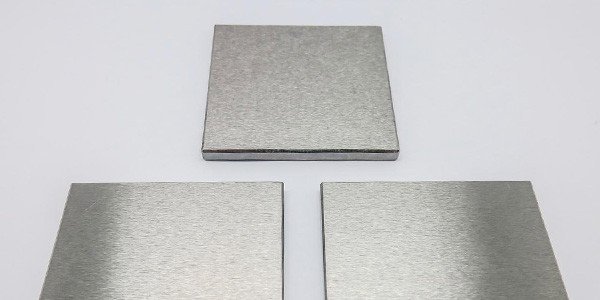
CNC product surface treatment involves post-machining processes like anodizing, powder coating, electroplating, and polishing to enhance appearance, corrosion resistance, wear, and texture, making parts functional and aesthetic for specific applications, with common methods including mechanical (polishing, blasting), chemical (passivation, etching), and coating (painting, plating) techniques.

Gold Plating
Silver Plating
Anodizing in Multiple Colors
Chromate
Electro Less Nickel Plating
Chrome Plating
Sandblasting
Galvanized
Hard Anodizing
Tin Plating
Passivation
Spray Painting
Powder Coating
Gazfull offer CNC surface treatment involves post-machining technology services like anodizing, plating, painting, and polishing to improve a part’s look, durability, wear resistance, and corrosion protection, moving beyond basic tool marks to create a finished, functional component for specific applications, with choices depending on material (metal, plastic) and desired properties.
Gold Plating
Gold plating for CNC products is a premium surface treatment that adds a thin layer of gold to enhance aesthetics, conductivity, and corrosion resistance, crucial for electronics, jewelry, and high-end parts, involving meticulous cleaning, electroplating (bath or brush), and drying to achieve desired thickness (from 0.25µin for contacts to 2.5µin+ for durability) and performance, following standards like ASTM B488.
Silver Plating
Silver plating for CNC parts is a surface treatment that applies a thin silver layer for superior electrical conductivity, corrosion resistance, thermal transfer, lubricity, and aesthetics, using electroplating to deposit silver onto cleaned, activated metal surfaces, ideal for electronics, aerospace, and high-performance components needing anti-galling/seizing properties.
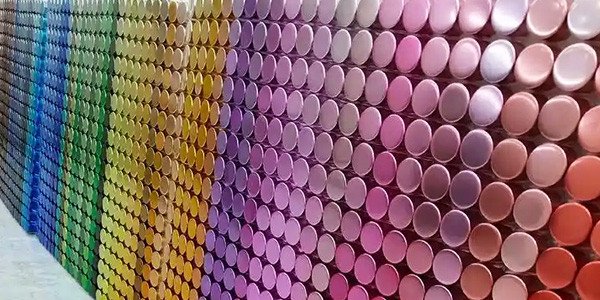
Anodizing in multiple colors
Anodizing in multiple colors on a single CNC aluminum part is achieved through a selective anodizing process using masking agents and sequential dying, as you cannot anodize the entire part in multiple colors simultaneously. This process involves multiple steps of anodizing, masking, and dyeing to achieve the desired result.
Chromate
Chromate conversion coating (also known as chem film) for CNC aluminum products is a chemical surface treatment that forms a protective, passivated layer on the metal surface. It is primarily used to enhance corrosion resistance, improve adhesion for paints and primers, and maintain electrical conductivity.
Electro Less Nickel Plating
Electroless Nickel Plating (ENP) is an autocatalytic chemical process that deposits a uniform layer of a nickel-phosphorus alloy onto a substrate, such as CNC aluminum parts, without the use of an external electric current. This finish is valued for its uniformity, excellent corrosion resistance, and enhanced hardness.
Chrome Plating
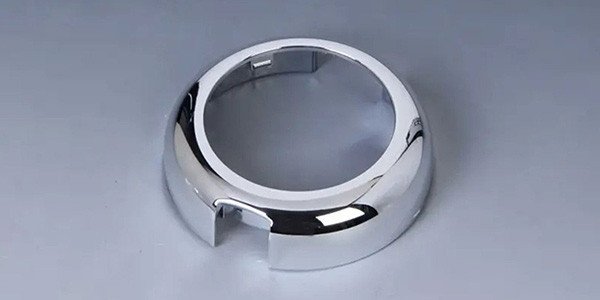
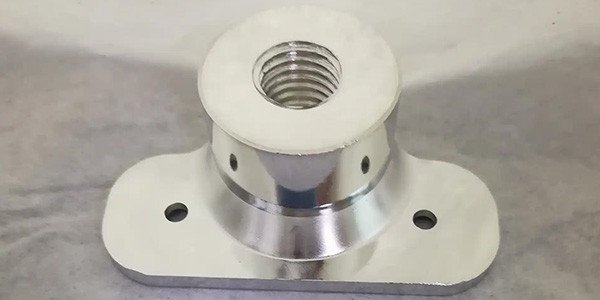
Chrome plating for CNC aluminum products is an electrochemical surface treatment used to enhance durability, corrosion resistance, and appearance. There are two main types: hard chrome (industrial) and decorative chrome, each suited for different applications. Plating aluminum requires specialized pre-treatment to ensure strong adhesion.
Sandblasting
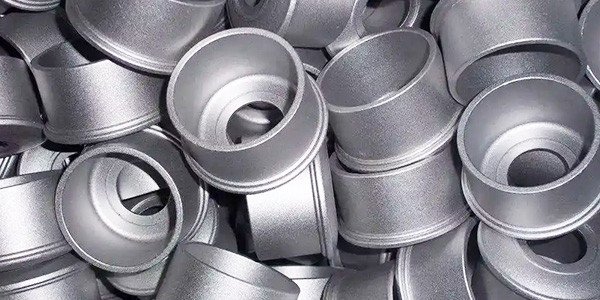
Sandblasting, more accurately referred to as abrasive blasting or media blasting, is a crucial mechanical surface treatment for CNC products. It involves propelling high-speed abrasive particles (not just sand) against a workpiece surface using compressed air to achieve a desired finish.
Galvanized
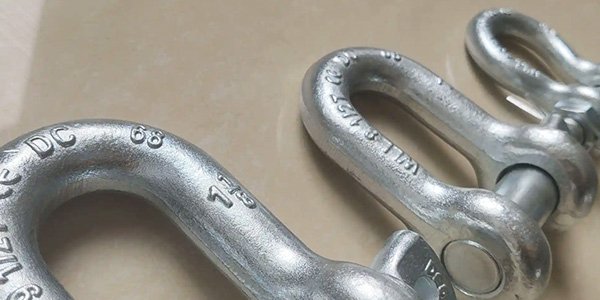
Galvanizing is a process of coating iron or steel with a protective layer of zinc to prevent rust and corrosion. The most common method, hot-dip galvanizing, is generally unsuitable for products made from materials like aluminum due to the high temperatures involved.
Hard Anodizing
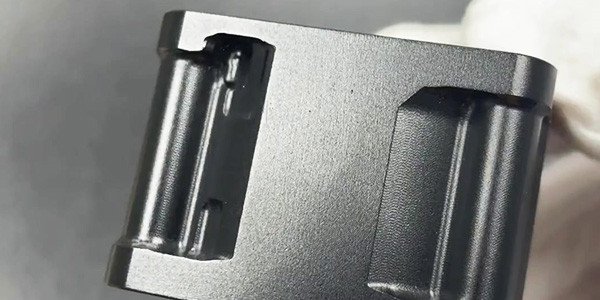
Hard anodizing, also known as Type III anodizing or hardcoat anodizing, is a specialized electrochemical process that creates a thick, dense, and exceptionally hard oxide layer on the surface of CNC aluminum products. This process is chosen when maximum performance, durability, and wear resistance are required.
Tin Plating
Tin plating is an excellent surface treatment for CNC aluminum products, especially in electrical applications, as it provides enhanced corrosion resistance, superior solderability, and maintains good electrical conductivity. However, direct tin plating on aluminum requires a critical pre-treatment step.
Passivation
Passivation is a chemical post-processing treatment that removes contaminants like free iron from the surface of metal parts, thereby enhancing their natural corrosion resistance by forming a thin, protective oxide layer. This process is crucial for preventing future corrosion without changing the part’s dimensions.
Spray Painting
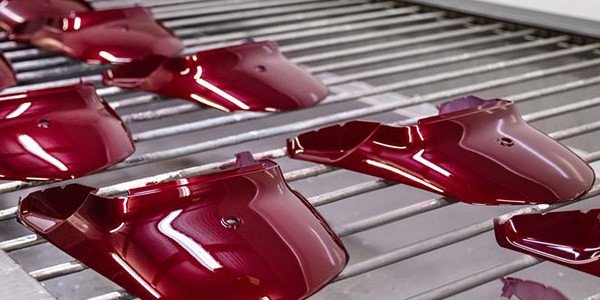
Spray painting is a versatile and common surface treatment for CNC aluminum products, offering aesthetic improvements and protection against the elements. The process involves applying a liquid paint (pigments suspended in a solvent or water base) using a spray gun or aerosol can to create a uniform finish.
Powder Coating
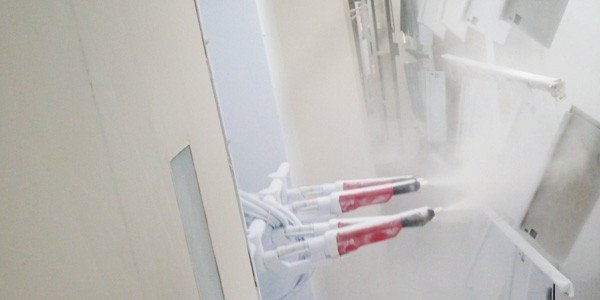
Powder coating is a highly popular and effective surface treatment for CNC aluminum products, offering an extremely durable, high-quality, and aesthetically versatile finish. The process involves applying a dry, free-flowing powder electrostatically to the grounded metal part, which is then cured under heat to form a hard protective layer.
Gazful’s CNC machining team specializes in parts with complex geometries, tight tolerances, and rapid iteration cycles.
Ready to get started on your next project?
From one part to thousands of parts, we can help you accelerate your sheet metal projects using CNC machining Services in a cost-effective way. The Gazfull team can provide a range of solutions for your manufacturing needs. Talk to us today about your laser cutting project and how your project can take advantage of its high quality and accuracy.
Get a quote
Email:info@gazfull.com