
CNC Machining for Automobiles:
Revolutionizing Precision Manufacturing
Table of Contents
ToggleWhat is CNC Machining?
History of CNC Machining in the Automotive Industry
The roots of CNC machining trace back to the mid-20th century, born out of wartime necessities for precision manufacturing. During World War II, the demand for accurate aircraft parts spurred innovation in automation. John T. Parsons, often hailed as the father of numerical control, collaborated with Frank L. Stulen in the 1940s to develop the concept of using punched cards to control machine tools. This early work, funded by the U.S. Air Force, aimed at producing complex helicopter blades with consistent quality, laying the groundwork for what would become CNC technology.
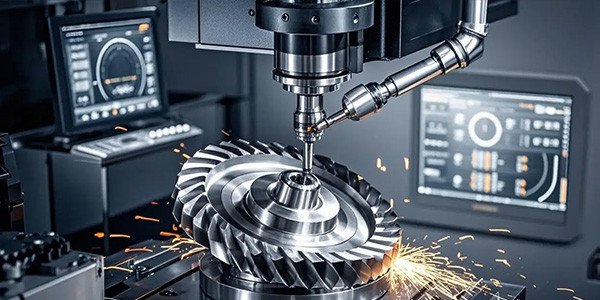
Today, CNC’s history in automobiles reflects a journey from wartime innovation to indispensable tool, enabling the shift toward EVs and smart cars. Key impacts include reduced production times, improved part consistency, and support for sustainable practices through minimized waste.
How CNC Machining Works
Applications in the Automotive Industry
Engine Components
Chassis and Suspension
Interior and Exterior Parts
Prototyping and Customization
According to industry insights, CNC facilitates 11 key techniques in automotive, including drilling for fuel injectors and grinding for brake rotors. Specific applications include:
- Brake Systems: Calipers and discs machined for optimal friction.
- Fuel Systems: Injectors with micron-level nozzles.
- Exhaust Systems: Manifolds shaped to reduce backpressure.
- Electrical Components: Housings for sensors and ECUs.
This breadth underscores CNC’s integral role in vehicle assembly.
Advantages of CNC Machining in Automobiles
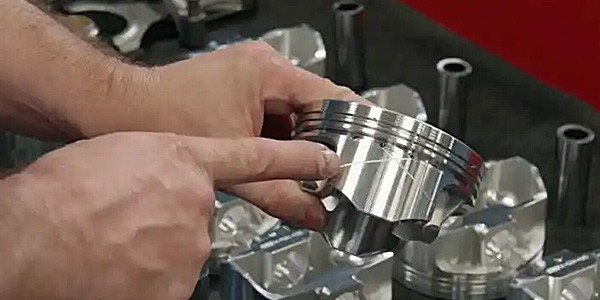
CNC machining offers numerous advantages that make it a preferred method in automotive manufacturing. Foremost is precision: Machines achieve tolerances as low as ±0.001 inches, ensuring parts fit perfectly and perform reliably, critical for safety in vehicles.
Precision and Accuracy
Production Speed and Efficiency
Cost Savings
Flexibility and Customization
Enhanced Quality Control
Materials Used in CNC Machining for Automobiles
- Metals: Aluminum for lightweight engine parts; steel for durable chassis; titanium for high-stress aerospace-inspired components in sports cars.
- Plastics and Composites: ABS for interiors; carbon fiber for body panels, machined with diamond tools to avoid delamination.
- Alloys: Brass for fittings; magnesium for weight reduction in EVs.
CNC Machining Processes in Automotive
- Milling: Removes material with rotating cutters, ideal for flat surfaces.
- Turning: Spins the workpiece against a tool, perfect for cylindrical parts.
- Drilling and Tapping: Creates holes for fasteners.
- Grinding: Achieves fine finishes on hardened steels.
Case Studies:
These examples highlight CNC’s transformative impact.