
Carbon & Alloy for CNC Machining Materials
Table of Contents
ToggleCarbon Steel: Properties, Grades, and CNC Machinability

Alloy Steel: Enhanced Properties for Demanding CNC Applications
Comparison of Carbon and Alloy Steel in CNC Machining
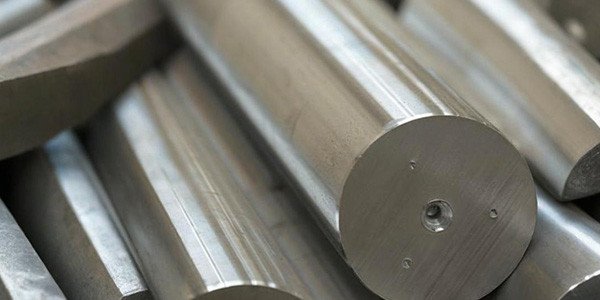
When selecting between carbon and alloy steel for CNC machining, several factors come into play. Carbon steel excels in cost and ease of machining, with low-carbon grades offering superior weldability and formability. However, it lacks in corrosion and high-temperature resistance, making it less suitable for harsh environments.
Property | Carbon Steel (e.g., 1045) | Alloy Steel (e.g., 4140) |
|---|---|---|
Yield Strength (MPa) | 415-570 | 655-860 |
Machinability | High (70-100) | Moderate (50-70) |
Corrosion Resistance | Low | Moderate to High |
Cost | Low-Medium | Medium-High |
Applications | General structural | High-stress, corrosive |
Key Differences Between Carbon Steel and Alloy Steel in CNC Machining
1. Core Composition DifferenCE
The fundamental distinction lies in chemical composition. Carbon Steel is iron-based, containing 0.0218%~2.11% carbon as the main element with low impurity content. It is classified by carbon content: low-carbon steel (<0.25%, e.g., Q235) is soft and plastic; medium-carbon steel (0.25%~0.6%, e.g., 45# steel) balances strength and plasticity; high-carbon steel (>0.6%, e.g., T10) is hard but brittle.
Alloy steel is made by adding intentional alloying elements (chromium, nickel, etc., total content 1%~tens of percent) to carbon steel, such as 42CrMo for enhanced strength and 304 stainless steel for corrosion resistance, which fundamentally changes its machining performance.
2. CNC Cutting Performance Gap
Cutting resistance: Carbon steel’s resistance depends on carbon content—low-carbon steel allows high-speed cutting, medium-carbon is cost-effective, and high-carbon requires reduced speed. Alloy steel’s cutting resistance is 20%~50% higher than same-carbon carbon steel due to hard carbides from alloying elements.
Heat dissipation: Carbon steel has good thermal conductivity, keeping machining temperatures low and tool wear slow. Alloy steel dissipates heat poorly, with edge temperatures often exceeding 800℃ (e.g., 304 stainless steel), requiring high-pressure cooling to prevent tool damage and workpiece burning.
3. Tool Selection Criteria
Carbon steel: Low requirements—HSS or cemented carbide for low/medium-carbon steel; high-cobalt cemented carbide (e.g., YG8) for high-carbon steel. Uncoated or TiCN-coated tools are used, with sharp edges (<0.1mm) for low-carbon steel and honed edges (0.1~0.2mm) for medium/high-carbon steel.
Alloy steel: High requirements—TiAlN/CrN coatings, enhanced honed edges (0.2~0.5mm), and high-performance tool materials to withstand high temperature and impact.
4. Application Scenarios and Selection Suggestions
Low-carbon steel (10#, Q235): Suitable for bolts, casings—low cost, high efficiency.
Medium-carbon steel (45#): Ideal for gears, shafts—balanced performance, the most
common workshop material.
High-carbon steel (T8, T10): Used for tools, molds—needs slow speed and strong cooling.
Alloy steel (42CrMo, 304): Fits automotive crankshafts, aviation parts—meets strict performance requirements despite high cost.
6. Summary
The machining differences between the two steels originate from composition disparities. Mastering these differences can reduce tool wear by over 30% and improve efficiency by 20%. Establishing a “material-tool-process” database helps achieve the optimal balance between cost and efficiency in high-precision CNC machining.