
CNC Machining Information
Keep leveling up our CNC machining technology and production expertise

Carbon & Alloy for CNC Machining Materials
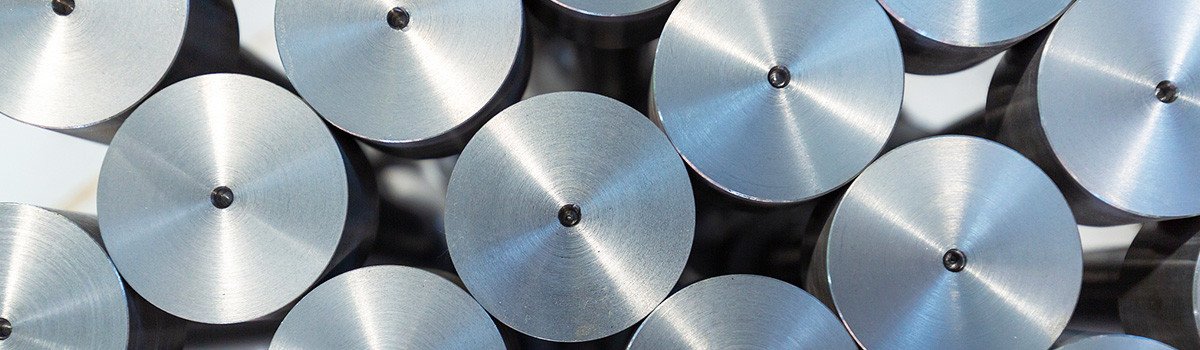
In the realm of modern manufacturing, Computer Numerical Control (CNC) machining stands as a cornerstone technology, enabling precise and efficient production of complex parts across industries such as automotive, aerospace, oil and gas, and consumer goods. At the heart of this process lies the selection of appropriate materials, where metals like steel dominate due to their versatility, strength, and cost-effectiveness. Among these, carbon steel and alloy steel emerge as two of the most widely used categories for CNC machining. These materials offer a balance of mechanical properties that make them ideal for applications requiring durability, machinability, and performance under stress.
 
Carbon steel, fundamentally an iron-carbon alloy with carbon content ranging from 0.05% to 2% by weight, forms the backbone of many industrial applications. Its simplicity in composition—primarily iron and carbon, with minor elements like manganese, silicon, phosphorus, sulfur, and oxygen—allows for variations in hardness, strength, and ductility based on carbon levels. Low-carbon steels, for instance, are known for their excellent weldability and formability, while higher carbon variants provide superior hardness and wear resistance. In CNC machining, carbon steels are prized for their affordability and ease of processing, making them suitable for high-volume production of parts like shafts, pins, and fasteners.Alloy steel, on the other hand, builds upon the foundation of carbon steel by incorporating additional alloying elements such as chromium, nickel, molybdenum, vanadium, or tungsten. These additions enhance specific properties, including corrosion resistance, tensile strength, toughness, and heat resistance, without significantly compromising the base material’s workability.
 
Alloy steels are categorized into low-alloy (with up to 8% alloying elements) and high-alloy types, each tailored for demanding environments. In CNC contexts, they excel in producing components that must withstand extreme conditions, such as gears, axles, and turbine blades.The choice between carbon and alloy steel in CNC machining hinges on factors like the part’s intended use, environmental exposure, required mechanical properties, and budget constraints. For example, while carbon steel might suffice for structural components in mild conditions, alloy steel is often indispensable in high-stress or corrosive settings. Understanding these materials’ compositions, properties, grades, and machining behaviors is crucial for engineers and manufacturers to optimize designs, reduce costs, and ensure product longevity.
 
This article delves into the intricacies of carbon and alloy steels as CNC machining materials. We will explore their compositions, key properties, common grades, machinability considerations, applications, and comparative advantages. By drawing on established material science principles and industry practices, we aim to provide a comprehensive guide for professionals seeking to leverage these steels effectively in their projects. Whether you’re a designer specifying materials or a machinist programming CNC operations, grasping these fundamentals can lead to superior outcomes in precision manufacturing.

Carbon Steel: Properties, Grades, and CNC Machinability

Carbon steel represents the most produced and utilized form of steel globally, accounting for nearly 90% of total steel output. Its classification is primarily based on carbon content: low-carbon (less than 0.30%), medium-carbon (0.30% to 0.60%), and high-carbon (above 0.60%). Each subcategory imparts distinct mechanical properties that influence its suitability for CNC machining.
Starting with low-carbon steels, these are often referred to as mild steels due to their softness and ductility. With carbon levels typically between 0.05% and 0.25%, they exhibit excellent formability and weldability. Mechanically, low-carbon steels offer yield strengths around 350 MPa and tensile strengths up to 420 MPa, with elongation at fracture reaching 15% or more. Their Brinell hardness is relatively low, around 121, making them highly machinable. In CNC operations, low-carbon steels like grade 1018 are favorites for their smooth chip formation and minimal tool wear. Grade 1018, composed of 0.15-0.20% carbon and 0.6-0.9% manganese, boasts an ultimate tensile strength of 65 ksi and yield strength of 48 ksi. It’s commonly used for shafts, pins, and fasteners in automotive and machinery sectors, where precision and cost-efficiency are paramount.
 
Medium-carbon steels bridge the gap between ductility and strength, with carbon content from 0.30% to 0.60%. These grades provide enhanced hardness and tensile strength while retaining reasonable machinability. Typical properties include yield strengths of 415 MPa, tensile strengths of 620 MPa, and elongation of 25%, with Brinell hardness around 201. Grade 1045 exemplifies this category, offering a balance of strength and machinability. With carbon at 0.43-0.50% and manganese at 0.60-0.90%, it achieves an ultimate tensile strength of 105 ksi and yield of 60 ksi after heat treatment. In CNC machining, medium-carbon steels require careful parameter selection to avoid excessive heat buildup, which can lead to work hardening. They are ideal for hydraulic components, axles, and gears where impact resistance is needed.
 
High-carbon steels, containing over 0.60% carbon, prioritize hardness and wear resistance over ductility. Properties here include yield strengths up to 570 MPa, tensile strengths of 965 MPa, and lower elongation at 9%, with Brinell hardness reaching 293. These steels are more challenging to machine due to their brittleness and tendency to form hard chips, often necessitating carbide tools and lubricants. Common grades like 1095 (0.90-1.03% carbon) are used for cutting tools, springs, and knives. In CNC applications, high-carbon steels benefit from annealing prior to machining to improve workability, followed by hardening for final use.
 
Machinability of carbon steels decreases as carbon content increases. Low-carbon variants rate highly (up to 100 on the machinability index), while high-carbon ones may drop to 50-60. Factors influencing CNC performance include cutting speed, feed rate, and coolant use. For instance, optimal speeds for 1018 might range from 100-150 m/min with high-speed steel tools, but carbide inserts are preferred for harder grades to extend tool life. Heat treatment plays a pivotal role; normalizing or annealing softens the material for easier chip removal, while quenching and tempering enhance final properties.
 
Applications of carbon steel in CNC machining are vast. In the automotive industry, low and medium-carbon grades form engine components, chassis parts, and suspension elements. Aerospace utilizes them for non-critical structural items, while construction benefits from their strength in fasteners and brackets. The oil and gas sector employs high-carbon steels for drill bits and valves. Overall, carbon steel’s low cost—often 20-30% less than alloys—makes it a staple for prototyping and mass production.
 
Despite advantages, challenges exist. Carbon steels are prone to corrosion without protective coatings, limiting outdoor or marine use. High-carbon types can crack during welding if not preheated, and machining may produce burrs requiring deburring. Advances in CNC technology, such as adaptive control systems, mitigate these by optimizing paths and reducing vibrations.

Alloy Steel: Enhanced Properties for Demanding CNC Applications
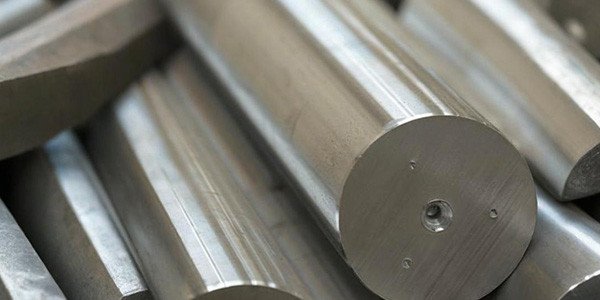
Alloy steel elevates the capabilities of carbon steel by introducing alloying elements that tailor properties for specific needs. Defined as steel with intentional additions beyond carbon (typically 1-50% total alloy content), it includes low-alloy steels (up to 8% alloys) and high-alloy variants. Common elements like chromium improve corrosion resistance, nickel enhances toughness, molybdenum boosts high-temperature strength, and vanadium increases wear resistance.
Low-alloy steels, such as grade 4140 (containing 0.38-0.43% carbon, 0.80-1.10% chromium, and 0.15-0.25% molybdenum), offer a yield strength of around 655 MPa and tensile strength up to 950 MPa after heat treatment. Their machinability is moderate, rated at 65-70, and they respond well to quenching and tempering for hardness levels of 28-32 HRC. In CNC machining, these steels are used for high-stress parts like crankshafts, gears, and axles in automotive and heavy machinery. The added elements reduce brittleness compared to equivalent carbon steels, allowing for better impact resistance.
 
High-alloy steels incorporate more substantial additions, often exceeding 10% chromium for stainless-like properties without being fully stainless. Grades like 4340 (with nickel, chromium, and molybdenum) provide exceptional strength—yield up to 860 MPa—and fatigue resistance, making them suitable for aerospace landing gear and oil rig components. Machinability here is lower, around 50, due to increased hardness, but CNC techniques like trochoidal milling help manage heat and tool wear.
 
Properties of alloy steels vary widely but generally include higher tensile strength (up to 1,200 MPa), better ductility, and superior heat resistance compared to carbon steels. For example, alloy steels can maintain integrity at temperatures over 500°C, ideal for turbine blades or petrochemical valves. Corrosion resistance is enhanced in chromium-rich alloys, reducing the need for coatings.
 
In CNC machining, alloy steels demand specialized tools, such as coated carbide or ceramic inserts, to handle their toughness. Cutting parameters might include speeds of 60-100 m/min for roughing and feeds of 0.1-0.2 mm/rev, with flood coolant to dissipate heat. Pre-machining heat treatments like annealing improve chip control, while post-machining processes ensure dimensional stability.
 
Applications span critical sectors. In aerospace, alloy steels form engine mounts and structural frames. The automotive industry relies on them for transmission parts and suspension systems. Oil and gas use alloy steels for pipelines and drill collars, where abrasion resistance is key. Bearings, springs, and structural components in electronics enclosures also benefit from their durability.
 
Tool steels, a subset of alloy steels, deserve mention for their extreme hardness (up to 65 HRC) and abrasion resistance. Grades like H13, with chromium and vanadium, are machined via CNC for dies and molds, though they require slow speeds and rigid setups to prevent cracking.
 
Challenges with alloy steels include higher costs—often 50-100% more than carbon steels—and potential for distortion during heat treatment. However, their enhanced properties justify the investment in high-performance applications.

Comparison of Carbon and Alloy Steel in CNC Machining

When selecting between carbon and alloy steel for CNC machining, several factors come into play. Carbon steel excels in cost and ease of machining, with low-carbon grades offering superior weldability and formability. However, it lacks in corrosion and high-temperature resistance, making it less suitable for harsh environments.
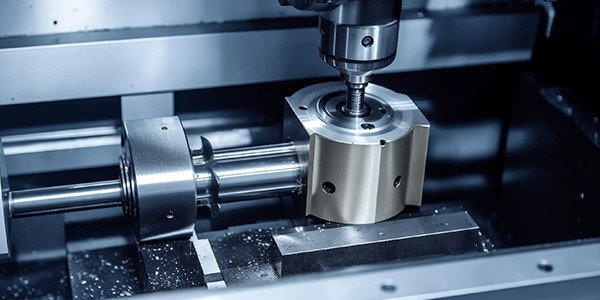
Alloy steel, with its tailored enhancements, provides better overall performance in strength, toughness, and resistance properties, but at the expense of machinability and price. For instance, a comparison table highlights:
 
Property
Carbon Steel (e.g., 1045)
Alloy Steel (e.g., 4140)
Yield Strength (MPa)
415-570
655-860
Machinability
High (70-100)
Moderate (50-70)
Corrosion Resistance
Low
Moderate to High
Cost
Low-Medium
Medium-High
Applications
General structural
High-stress, corrosive
 
In CNC contexts, carbon steel suits rapid prototyping and non-critical parts, while alloy steel is preferred for precision components under load.
 
Hybrid approaches, like using carbon steel cores with alloy coatings, can optimize benefits.

Key Differences Between Carbon Steel and Alloy Steel in CNC Machining

1. Core Composition DifferenCE

The fundamental distinction lies in chemical composition. Carbon Steel is iron-based, containing 0.0218%~2.11% carbon as the main element with low impurity content. It is classified by carbon content: low-carbon steel (<0.25%, e.g., Q235) is soft and plastic; medium-carbon steel (0.25%~0.6%, e.g., 45# steel) balances strength and plasticity; high-carbon steel (>0.6%, e.g., T10) is hard but brittle.

Alloy steel is made by adding intentional alloying elements (chromium, nickel, etc., total content 1%~tens of percent) to carbon steel, such as 42CrMo for enhanced strength and 304 stainless steel for corrosion resistance, which fundamentally changes its machining performance.

2. CNC Cutting Performance Gap

Cutting resistance: Carbon steel’s resistance depends on carbon content—low-carbon steel allows high-speed cutting, medium-carbon is cost-effective, and high-carbon requires reduced speed. Alloy steel’s cutting resistance is 20%~50% higher than same-carbon carbon steel due to hard carbides from alloying elements.

Heat dissipation: Carbon steel has good thermal conductivity, keeping machining temperatures low and tool wear slow. Alloy steel dissipates heat poorly, with edge temperatures often exceeding 800℃ (e.g., 304 stainless steel), requiring high-pressure cooling to prevent tool damage and workpiece burning.

3. Tool Selection Criteria

Carbon steel: Low requirements—HSS or cemented carbide for low/medium-carbon steel; high-cobalt cemented carbide (e.g., YG8) for high-carbon steel. Uncoated or TiCN-coated tools are used, with sharp edges (<0.1mm) for low-carbon steel and honed edges (0.1~0.2mm) for medium/high-carbon steel.

Alloy steel: High requirements—TiAlN/CrN coatings, enhanced honed edges (0.2~0.5mm), and high-performance tool materials to withstand high temperature and impact.

4. Application Scenarios and Selection Suggestions

Low-carbon steel (10#, Q235): Suitable for bolts, casings—low cost, high efficiency.

Medium-carbon steel (45#): Ideal for gears, shafts—balanced performance, the most

common workshop material.

High-carbon steel (T8, T10): Used for tools, molds—needs slow speed and strong cooling.

Alloy steel (42CrMo, 304): Fits automotive crankshafts, aviation parts—meets strict performance requirements despite high cost.

6. Summary

The machining differences between the two steels originate from composition disparities. Mastering these differences can reduce tool wear by over 30% and improve efficiency by 20%. Establishing a “material-tool-process” database helps achieve the optimal balance between cost and efficiency in high-precision CNC machining.

Machining Considerations and Best Practices

Effective CNC machining of carbon and alloy steels requires attention to tools, parameters, and techniques. Carbide tools are standard for both, but alloys may need CVD-coated variants for longevity. Cutting fluids prevent overheating, especially in high-carbon or alloy grades prone to work hardening.
 
Parameters vary: for carbon steels, higher speeds (120-180 m/min) and feeds (0.15-0.3 mm/rev); for alloys, lower (80-120 m/min) to manage heat. Rigid machine setups minimize vibrations, and CAM software optimizes paths for efficiency.
 
Common challenges include chip control—use chip breakers—and surface finish, addressed via polishing. Safety protocols, like proper ventilation for fumes, are essential.
 
Advancements like high-speed machining (HSM) and cryogenic cooling improve outcomes for these materials.

Conclusion

Carbon and alloy steels remain indispensable in CNC machining, offering a spectrum of properties from affordability and ease in carbon variants to enhanced durability in alloys. By understanding their compositions, grades, and behaviors, manufacturers can select optimally for applications ranging from everyday fasteners to aerospace components. As technology evolves, these materials will continue to drive innovation in precision engineering, balancing performance with practicality.